The Essence of Poland

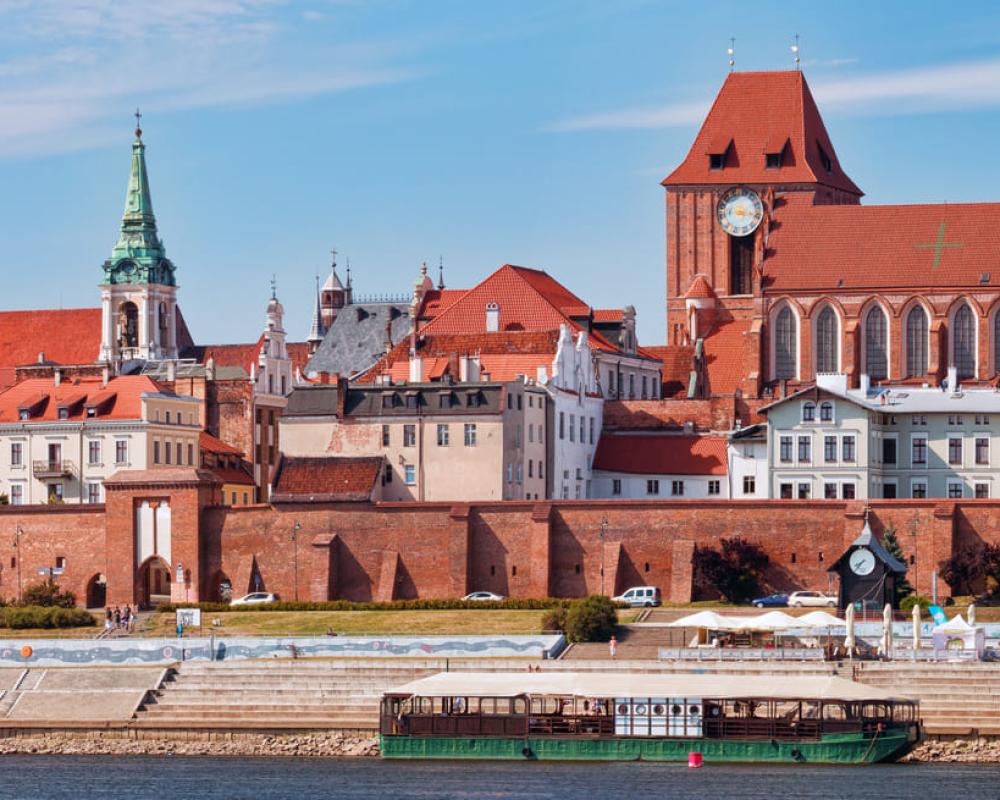
Heritage
Royal history, timeless architecture,
UNESCO landmarks
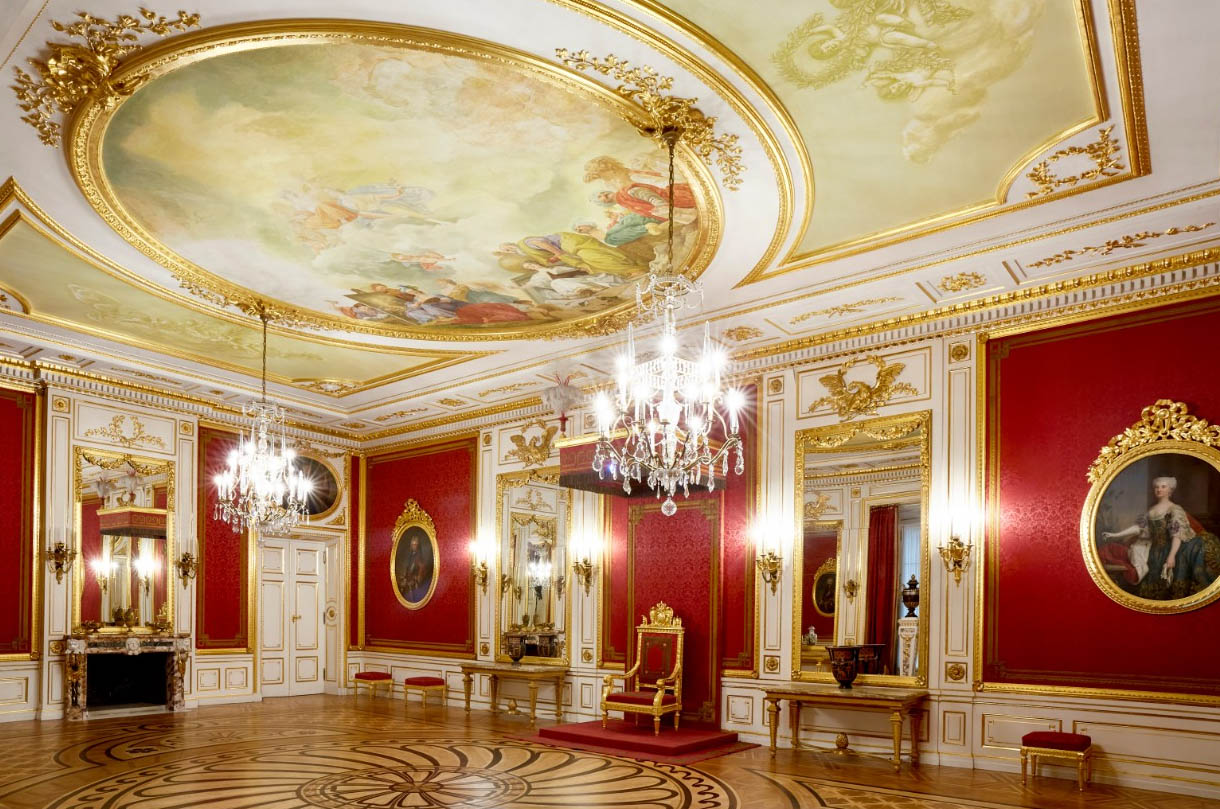

Nature
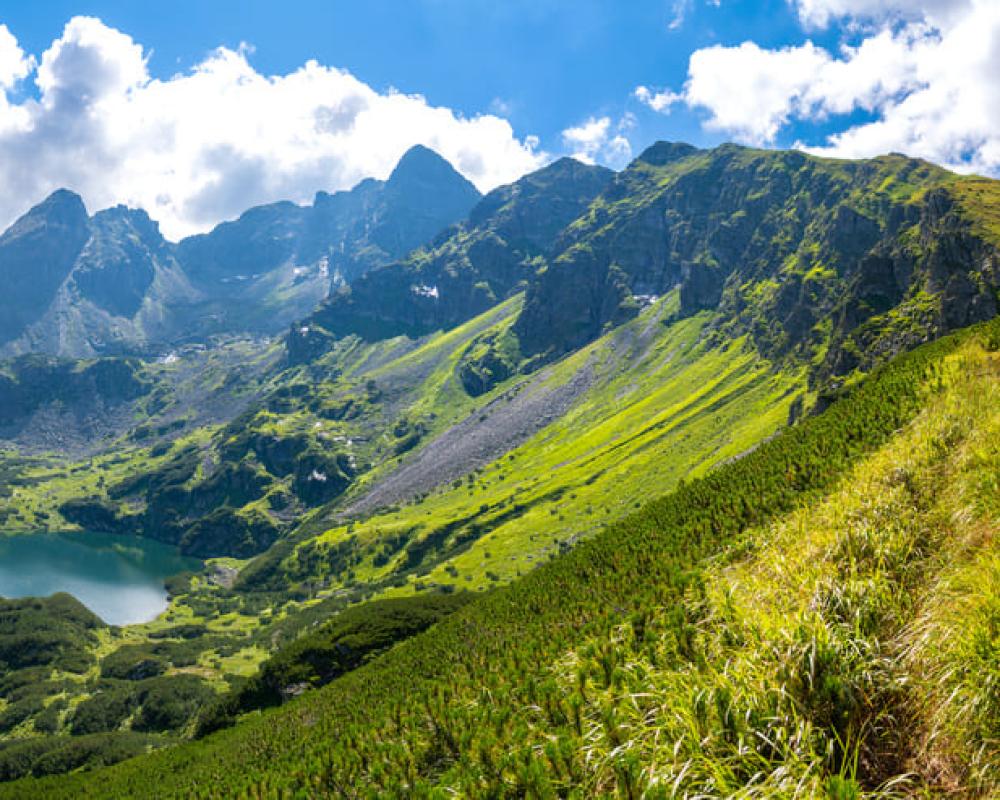
Mountains, lakes, forests,
and open landscapes
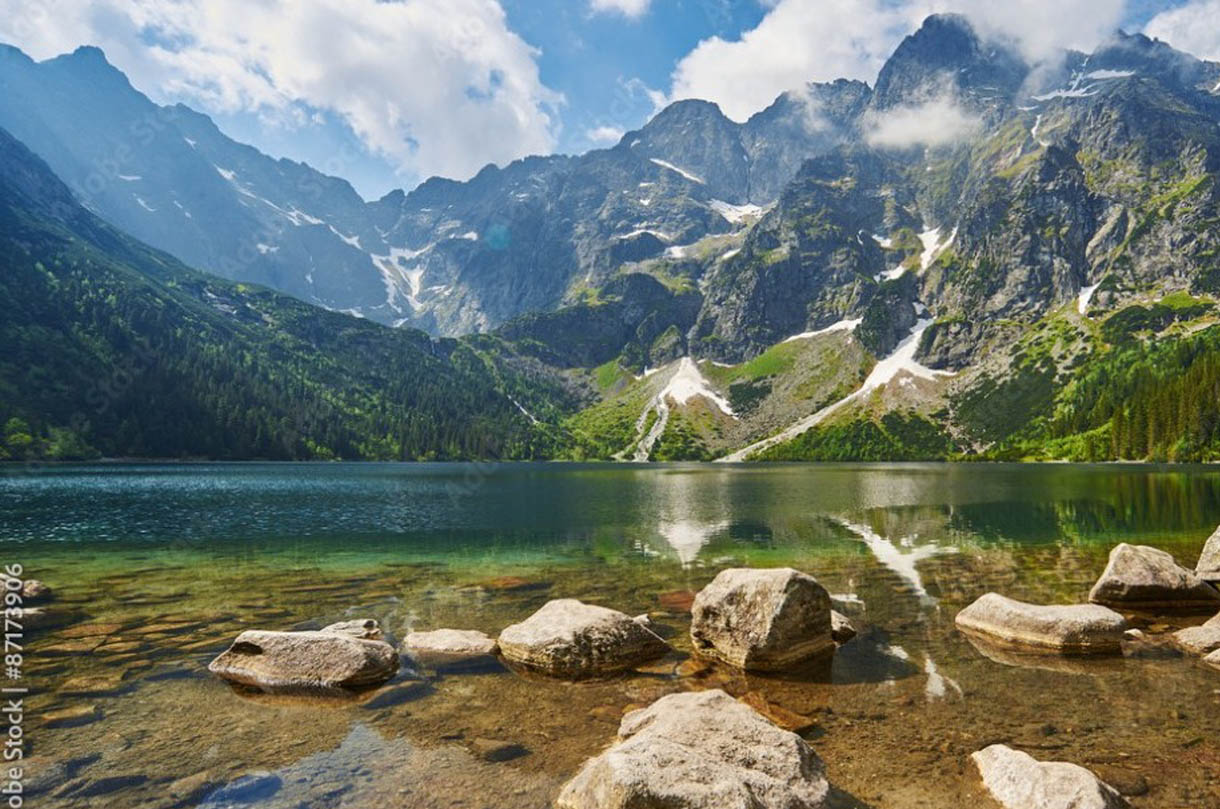

Culture
Music, traditions, cuisine,
and everyday life
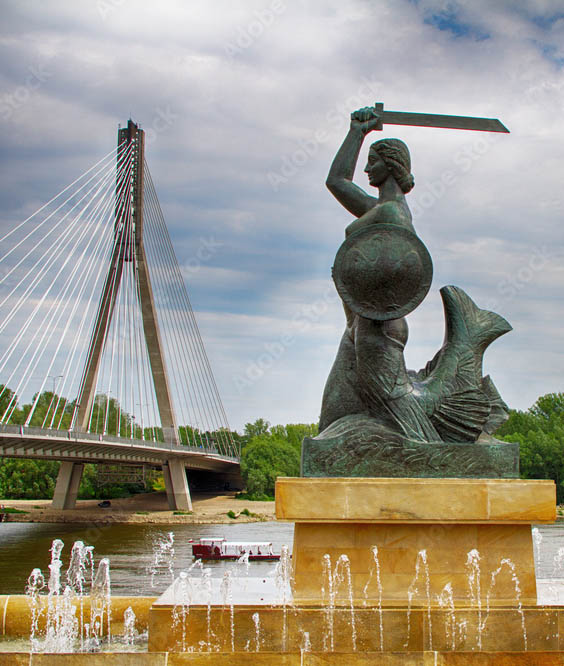
City - Warszawa
A Capital of History, Culture, and Modern Elegance
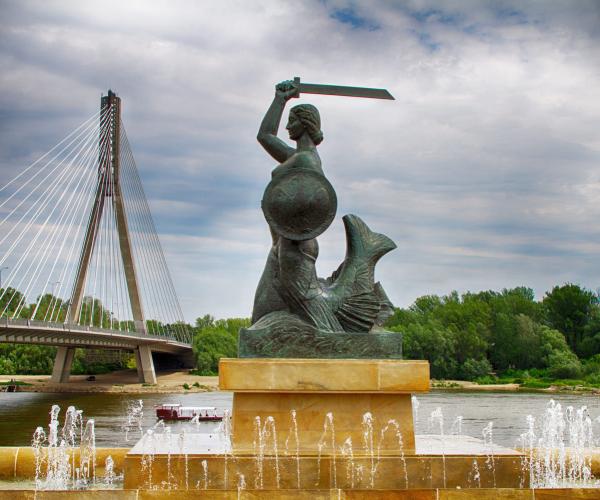
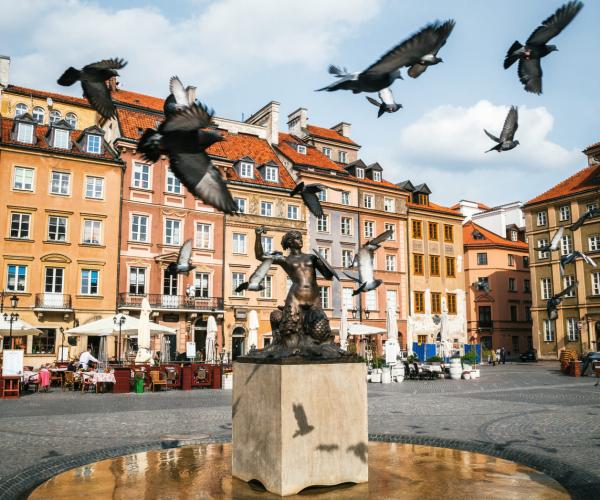
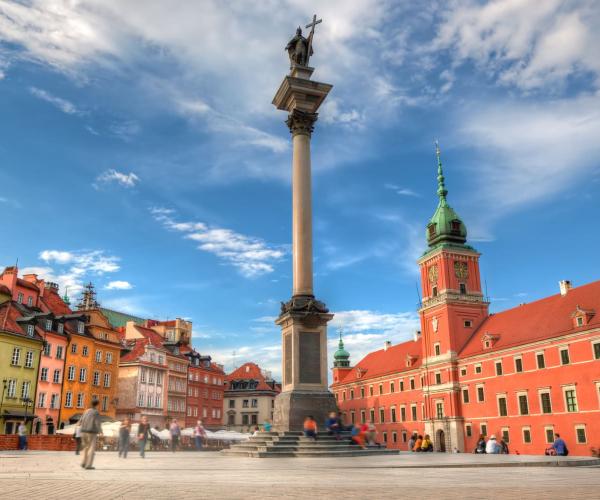
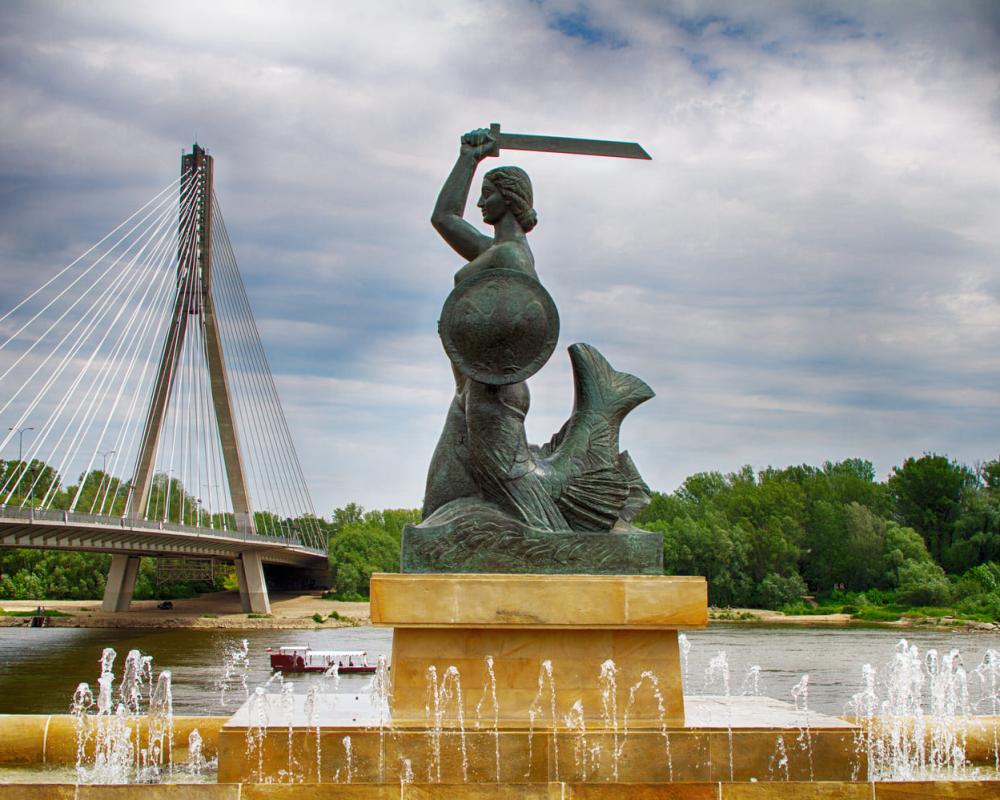
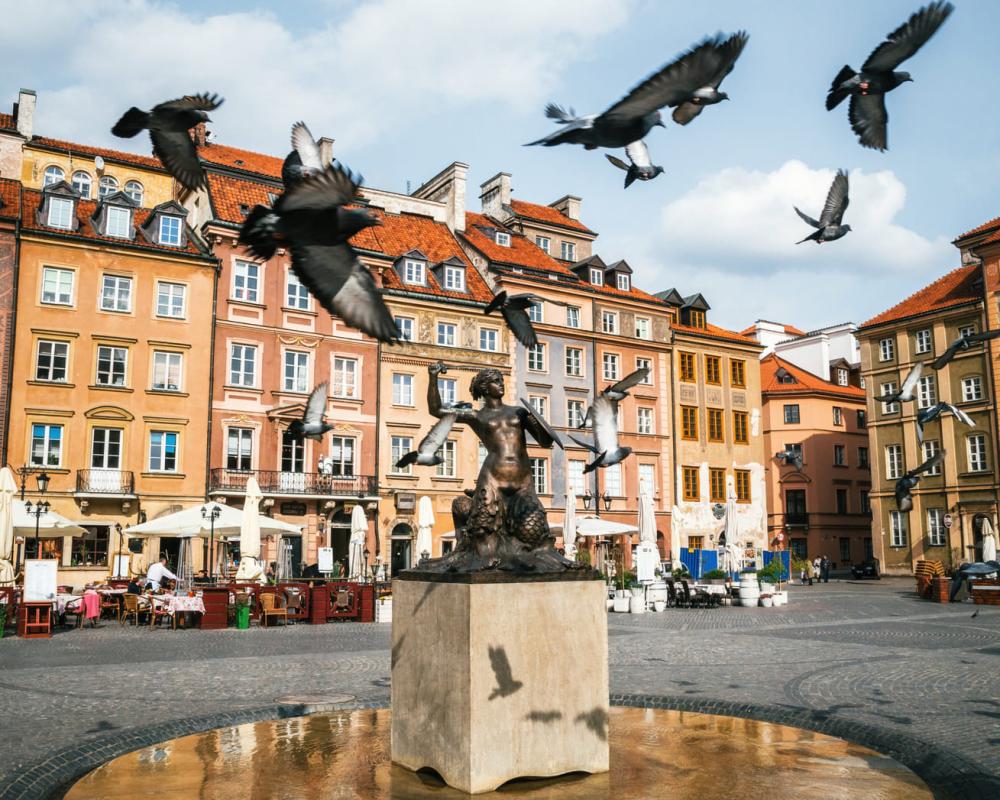
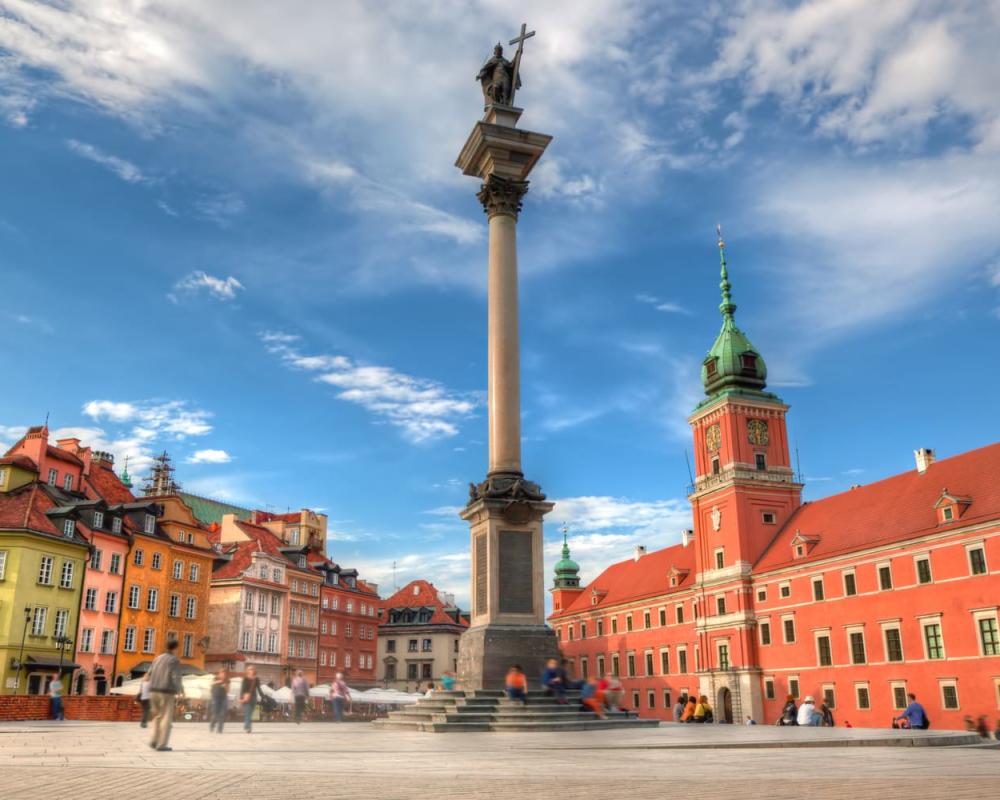
Warsaw – the capital of Poland and the country’s center of economic, cultural, and artistic life. Warsaw’s Old Town is inscribed on the UNESCO World Heritage List, and landmarks such as the Royal Castle and the Church of the Holy Cross bear witness to the city’s rich history. The capital also boasts numerous museums, theaters, and art galleries. Places worth visiting: Warsaw Old Town – founded between the 13th and 14th centuries, it enchants visitors with colorful townhouses and historic streets. The heart of the Old Town is the Market Square, with the Warsaw Mermaid statue at its center. Nearby, you’ll find the Museum of Warsaw, St. John’s Archcathedral, and the Barbican. Royal Castle in Warsaw – located in the Old Town, it served as the official residence of Polish kings from the 16th century. Built in the Baroque style, it houses royal treasures and works by renowned artists such as Rembrandt and Canaletto.
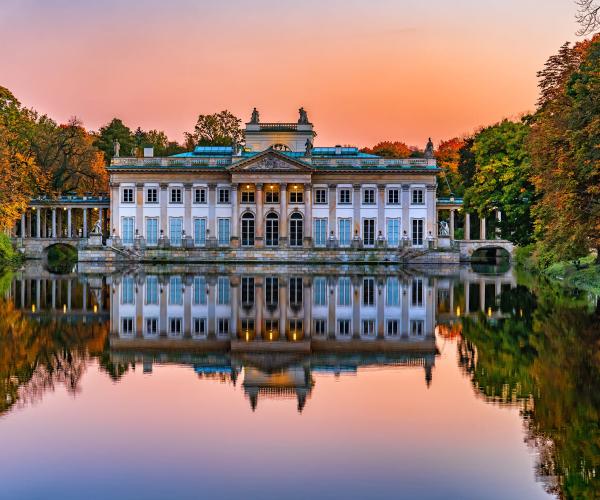
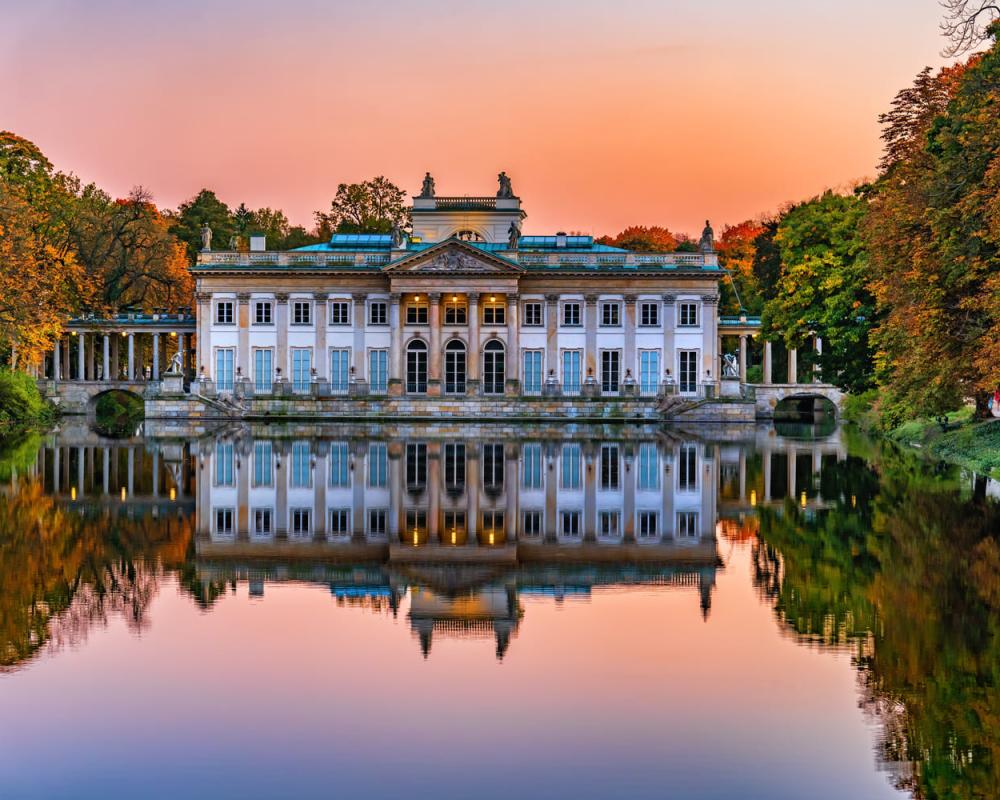
Łazienki Royal Park – the largest park in Warsaw, home to the Palace on the Isle, the summer residence of Poland’s last king. The park also features an orangery, an amphitheater, and a court theater. From May 15 to September 25, Chopin concerts take place every Sunday by the Chopin Monument.
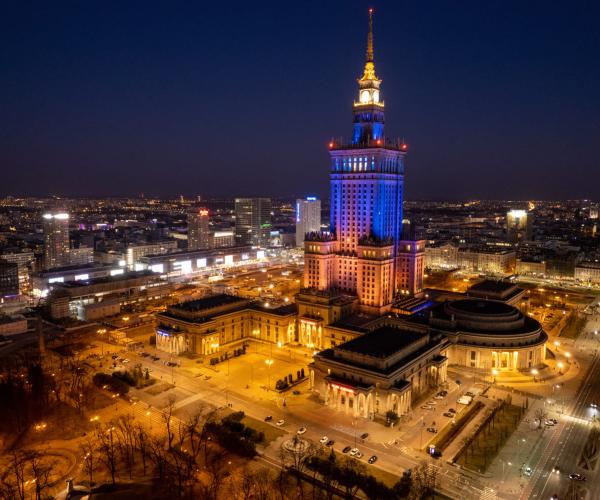
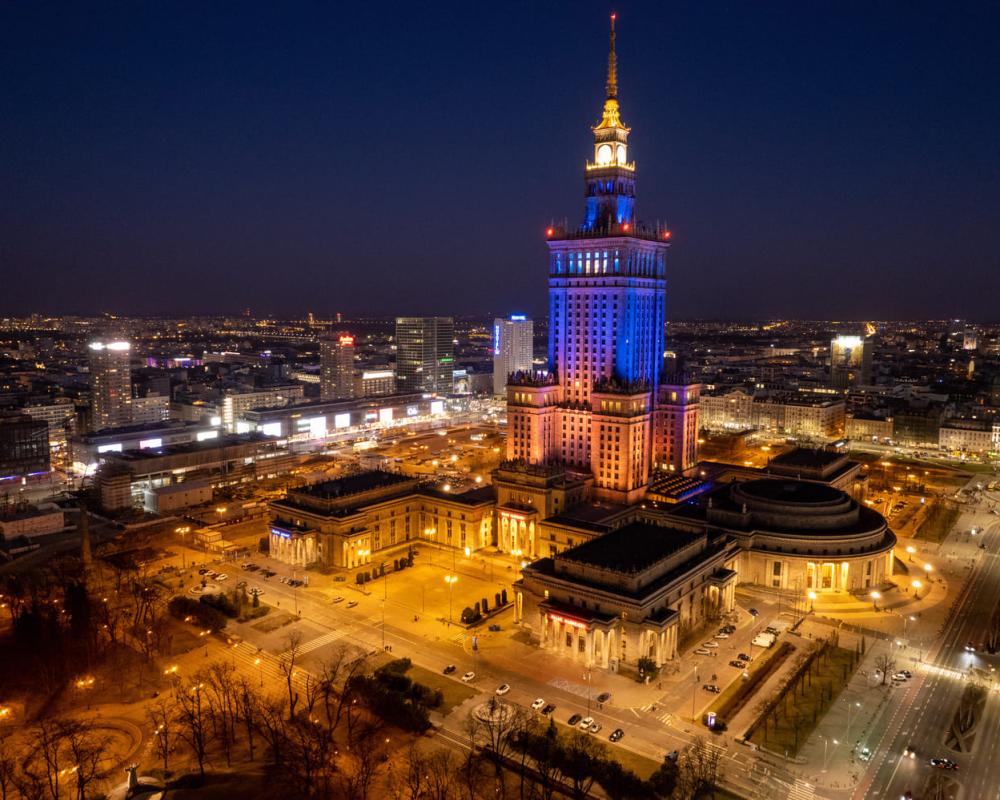
Palace of Culture and Science – one of Warsaw’s most iconic landmarks, built on Joseph Stalin’s initiative. From the observation deck on the 30th floor, you can admire a panoramic view of the city. The building also houses theaters, cinemas, and museums.
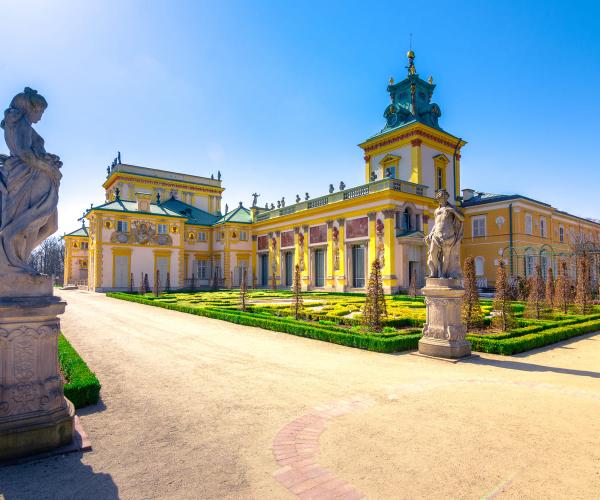
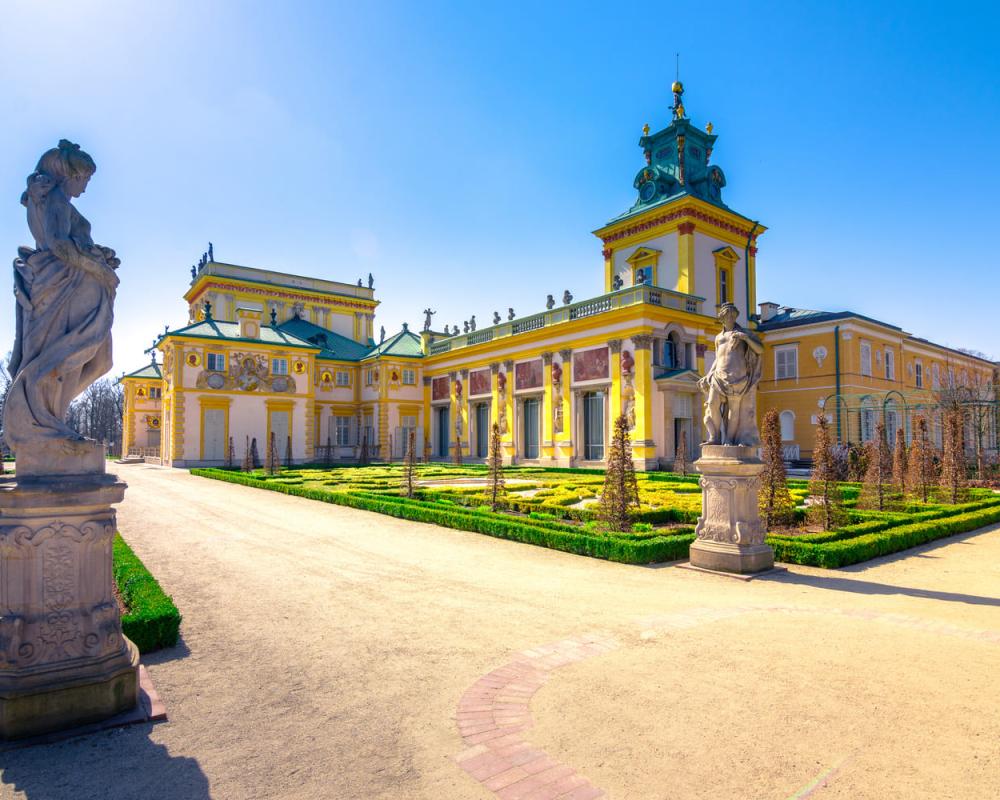
Wilanów Palace – the former residence of King John III Sobieski and a gem of Baroque architecture. The interiors include royal apartments and the Potocki Family Museum, while the gardens are adorned with sculptures, fountains, and picturesque ponds.
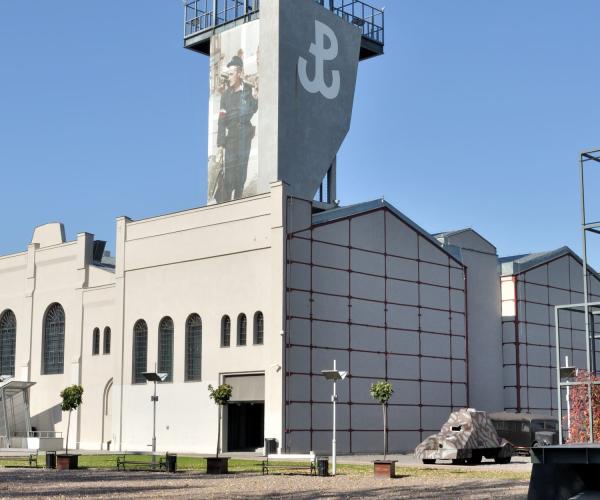
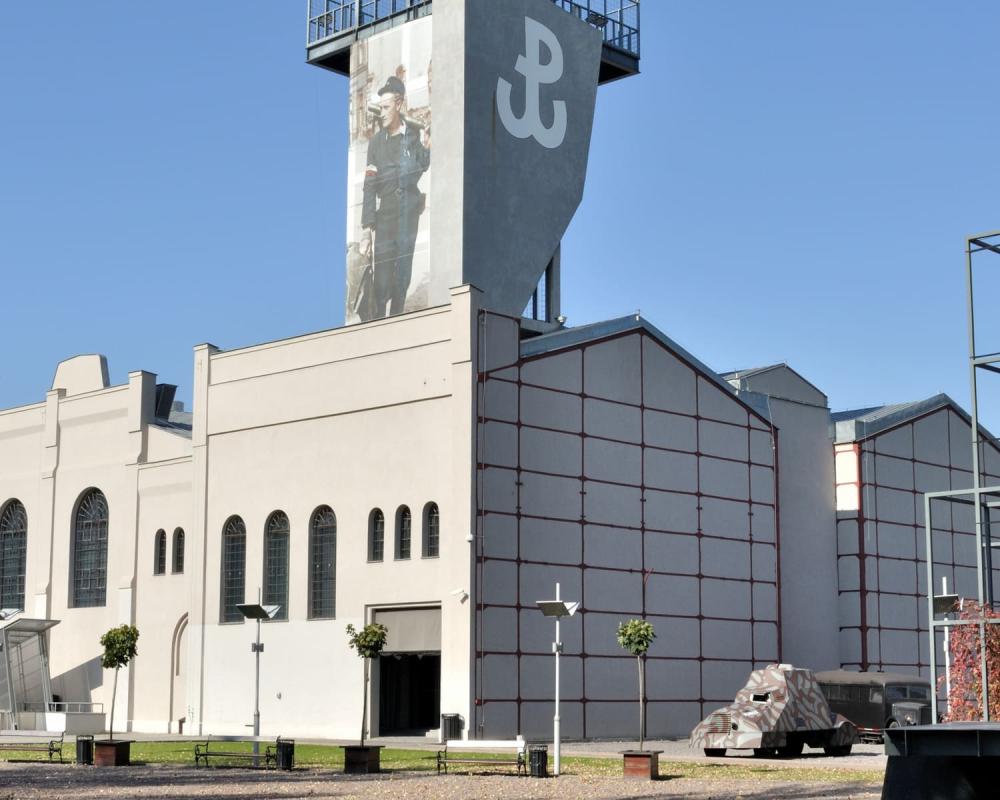
Warsaw Uprising Museum – commemorates the heroic events of the 1944 Warsaw Uprising. Multimedia exhibitions recreate the atmosphere of the fighting, the course of events, and the daily life of the city’s inhabitants during the uprising.
_600x500.jpg?width=1500&height=996)
CITY – KRAKÓW
A City of Heritage, Charm, and Timeless Beauty
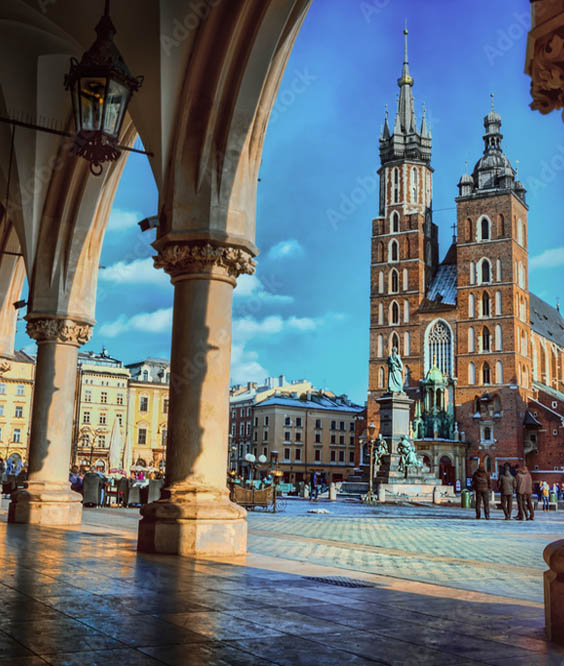
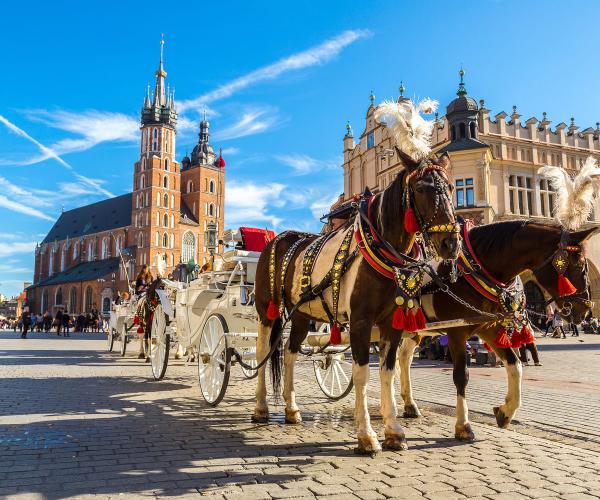
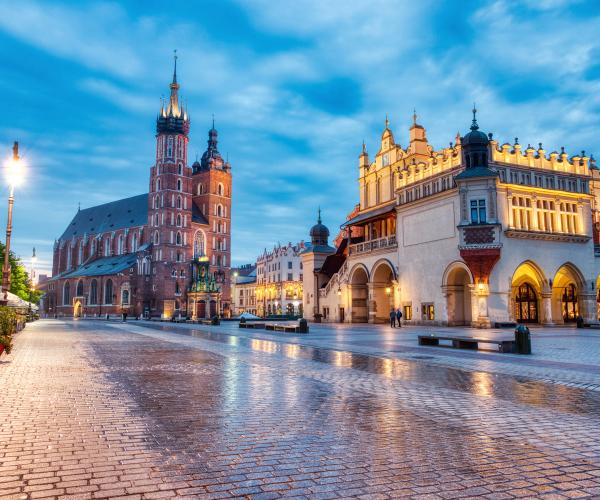
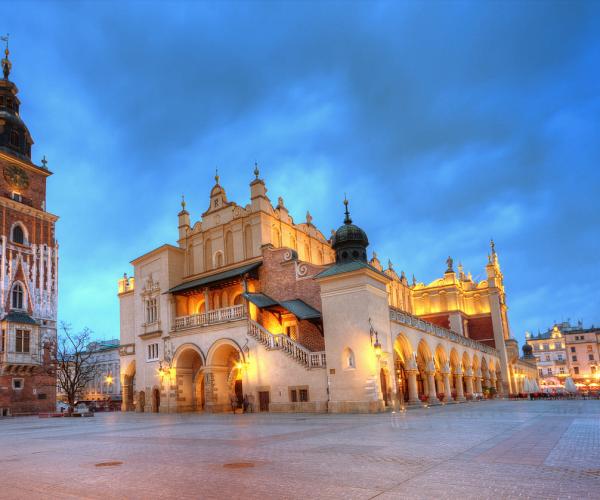
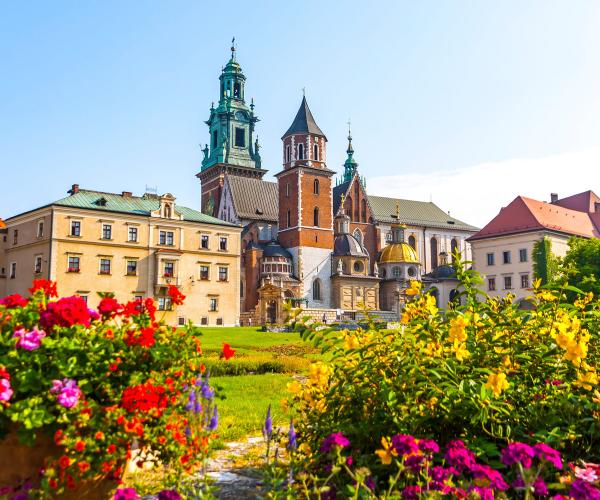
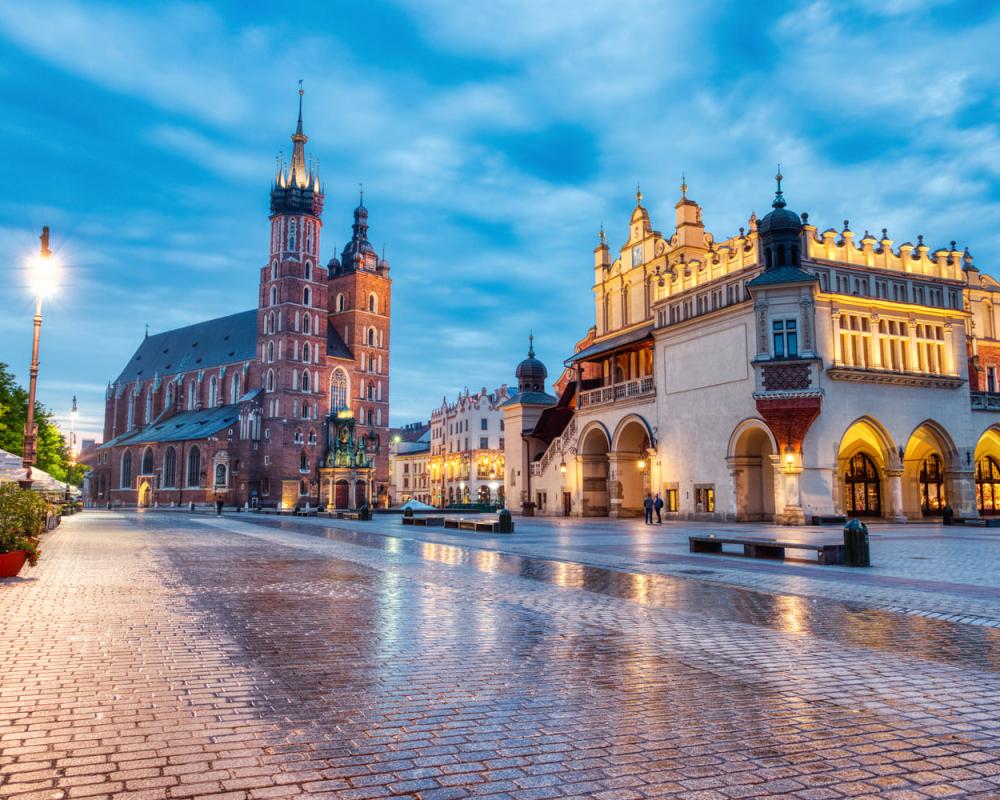
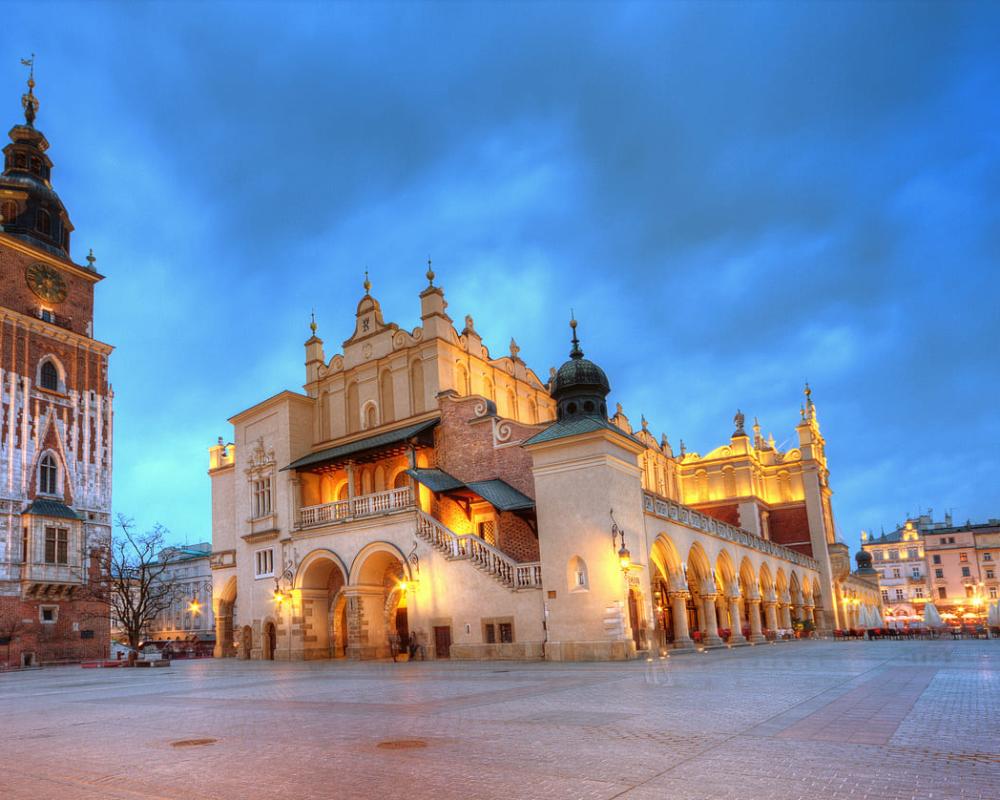
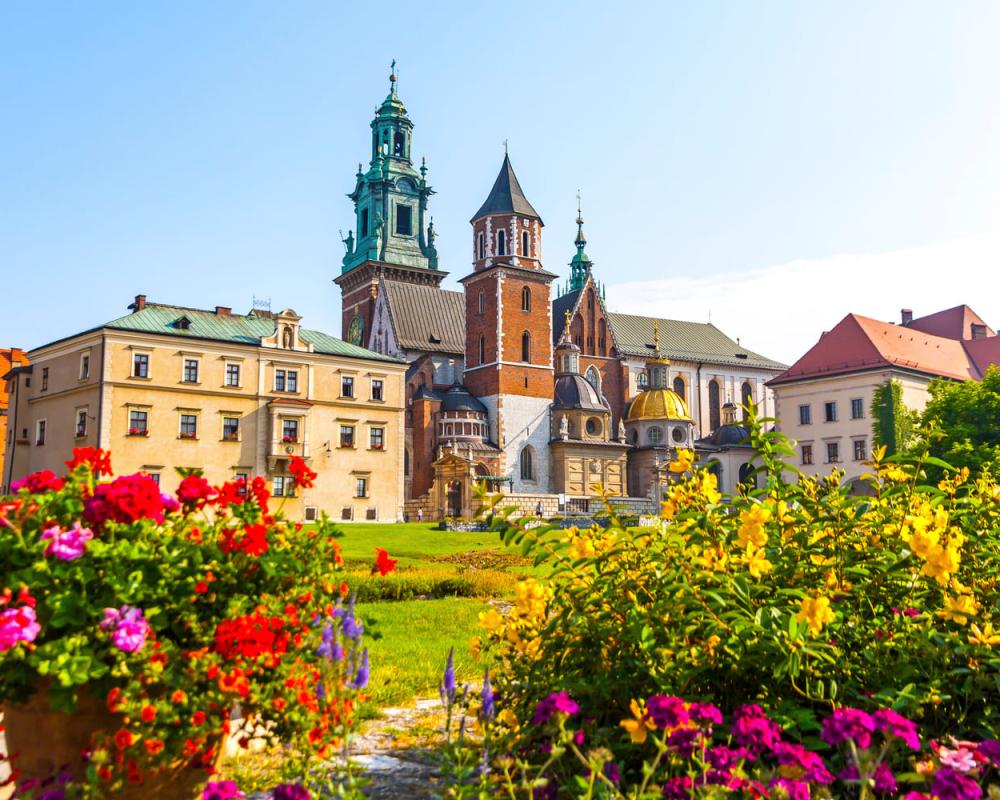
Often described as the cultural heart of Poland, Kraków was once the country’s royal capital and remains one of its most historic cities. Its well-preserved Old Town features one of the largest medieval market squares in Europe, surrounded by Gothic, Renaissance, and Baroque architecture. Rising above the city, Wawel Castle, the former residence of Polish kings, reflects centuries of royal heritage and national identity.
Places worth visiting:
- Kraków Old Town – A remarkably preserved medieval city center with the Main Market Square at its heart, home to landmarks such as St. Mary’s Basilica and the Cloth Hall.
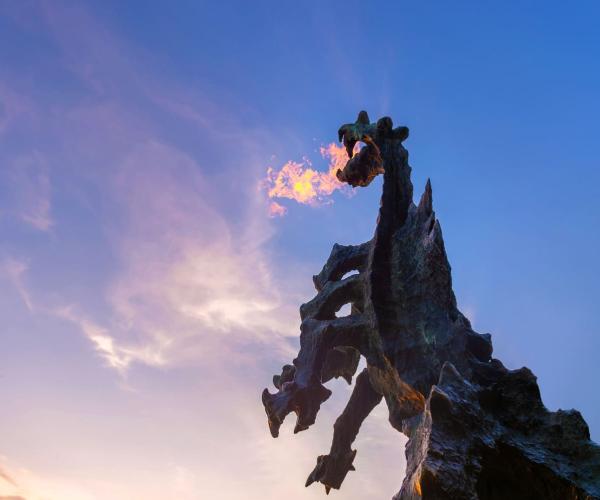
- Wawel Castle – A symbol of Polish history and royalty, featuring state rooms, royal apartments, and the famous dragon legend below the hill.
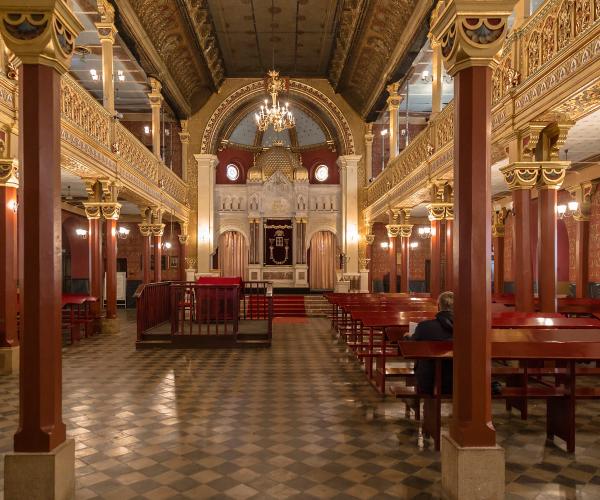
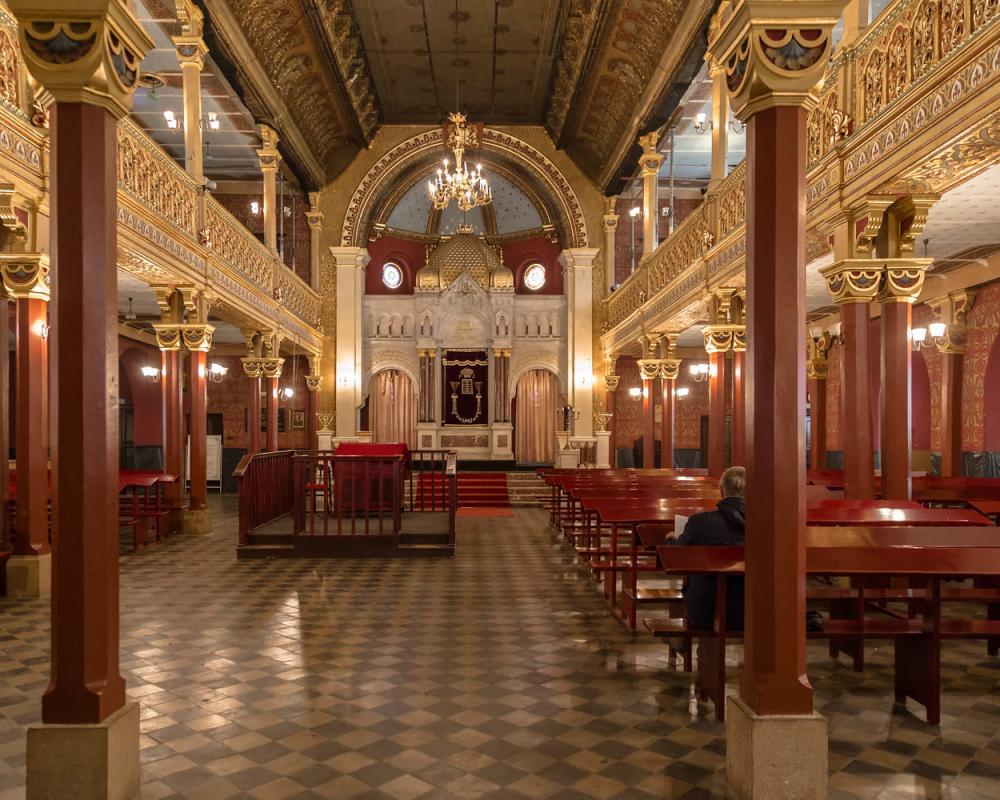
- Kazimierz Jewish Quarter – A historic district and one of Europe’s most important centers of Jewish culture, rich in synagogues, museums, and vibrant atmosphere.
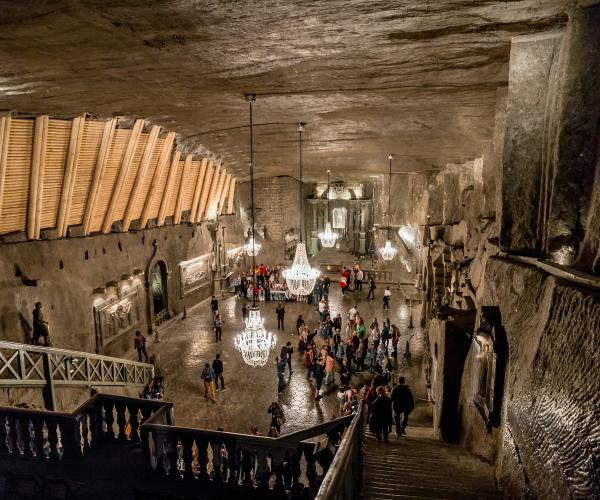
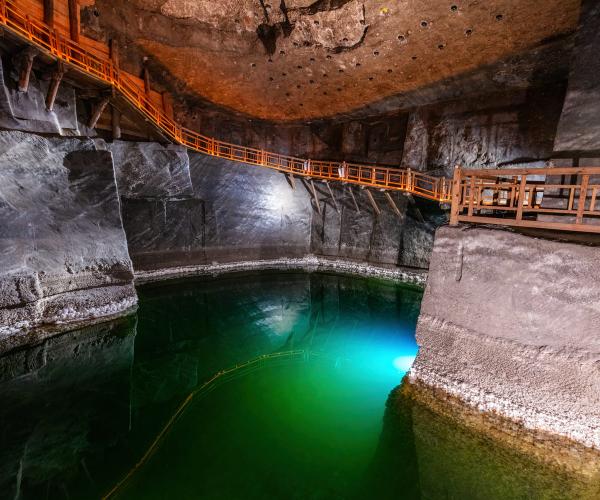
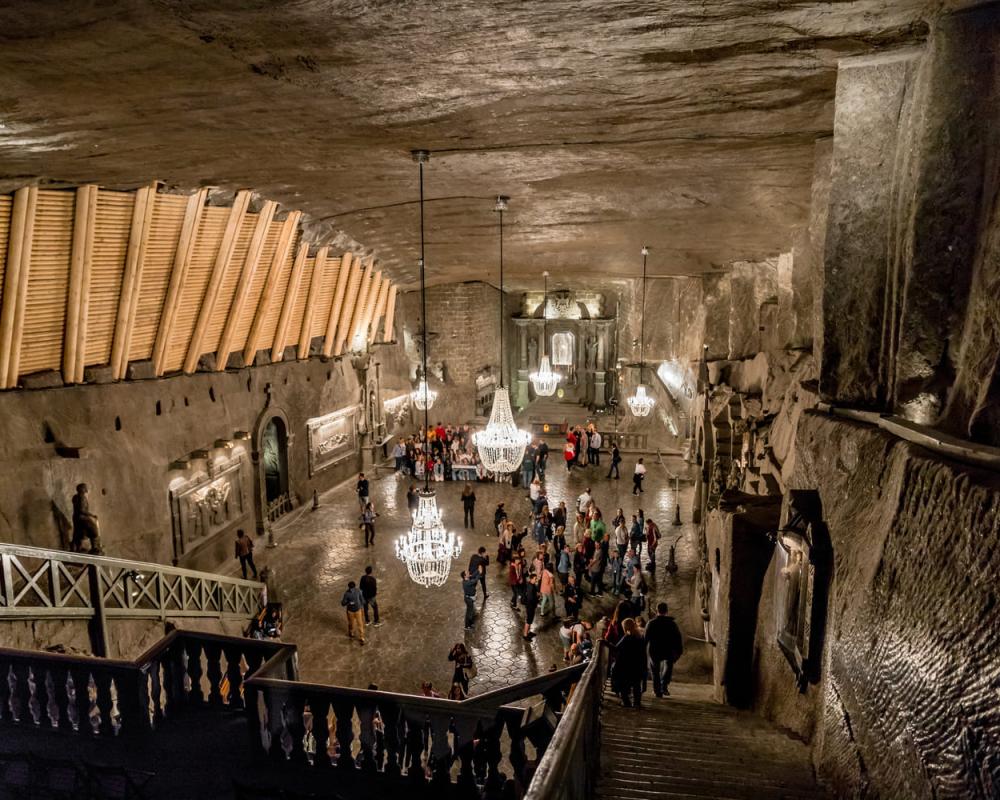
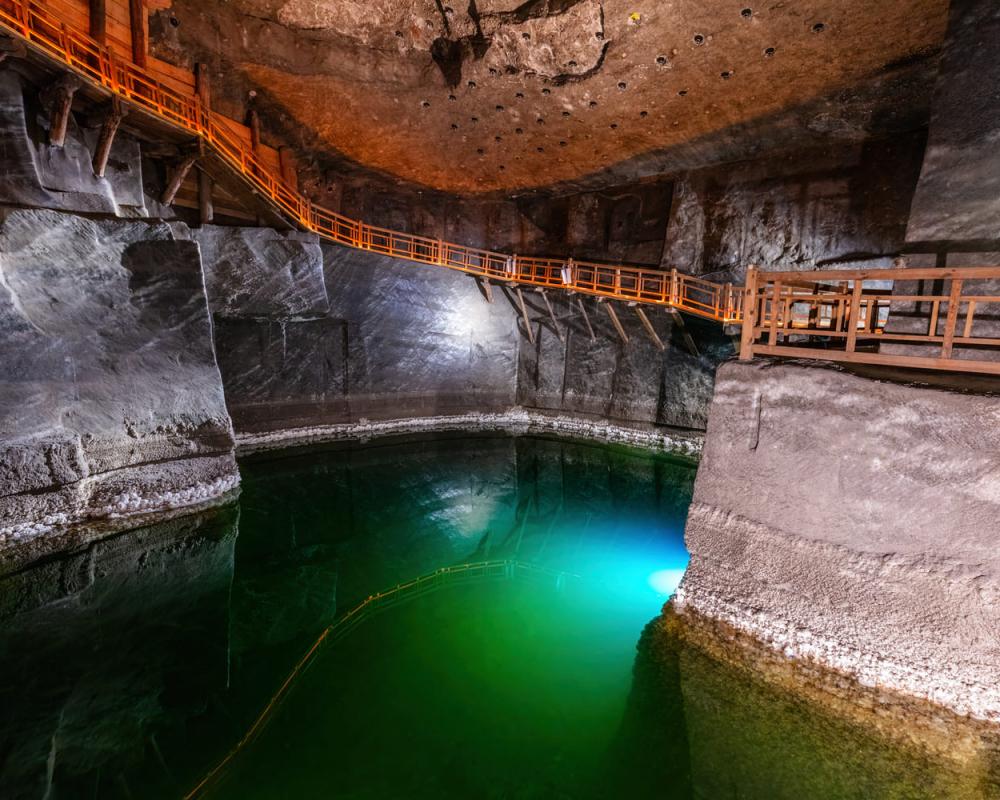
- Wieliczka Salt Mine – A UNESCO World Heritage site located near Kraków, showcasing an extraordinary underground world carved entirely from salt.
- Oskar Schindler’s Enamel Factory – A powerful museum telling the story of Kraków during World War II and Schindler’s efforts to save lives.
Tri-City (Gdańsk • Sopot • Gdynia)
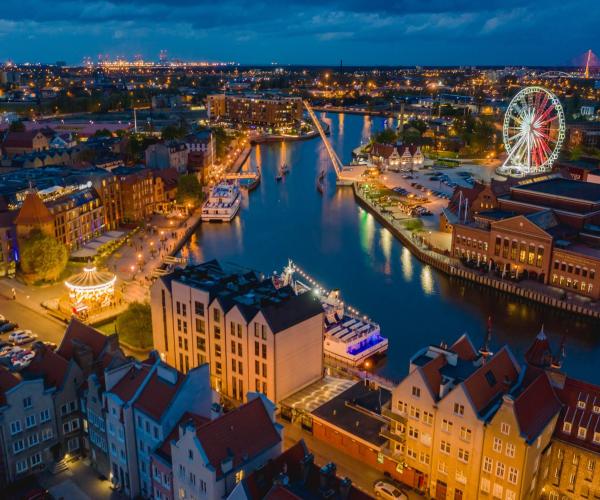
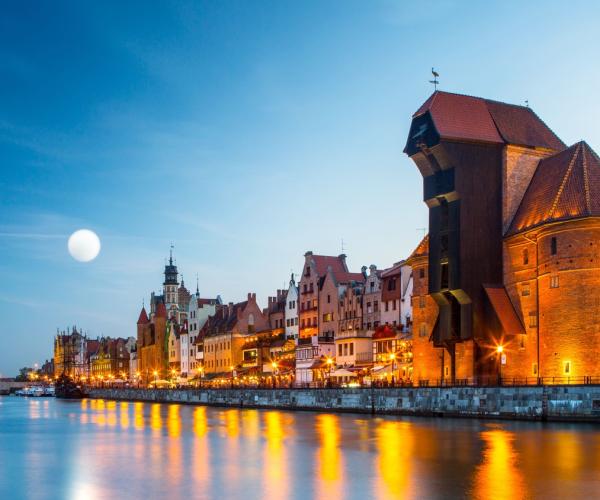
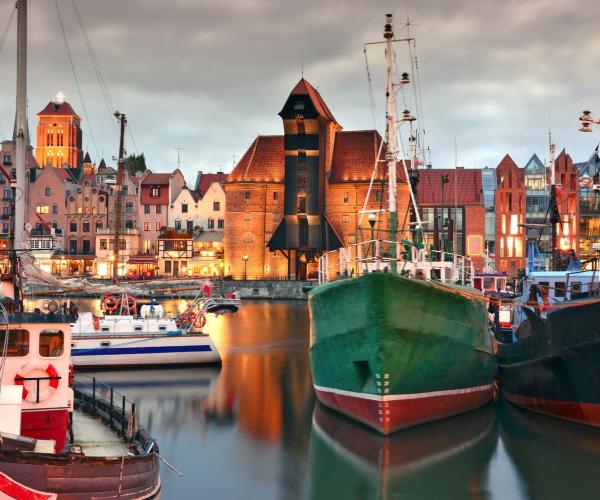
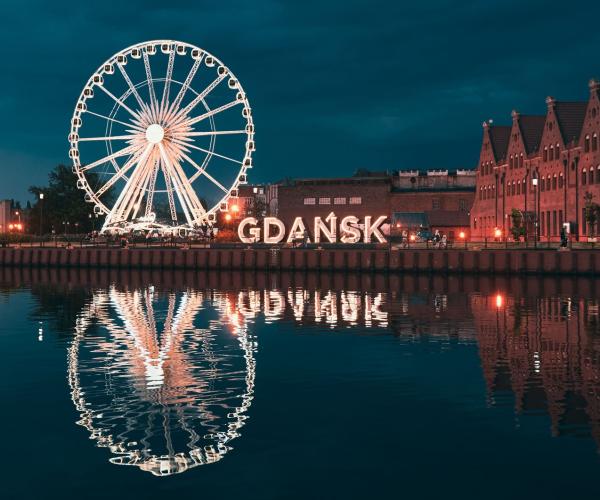
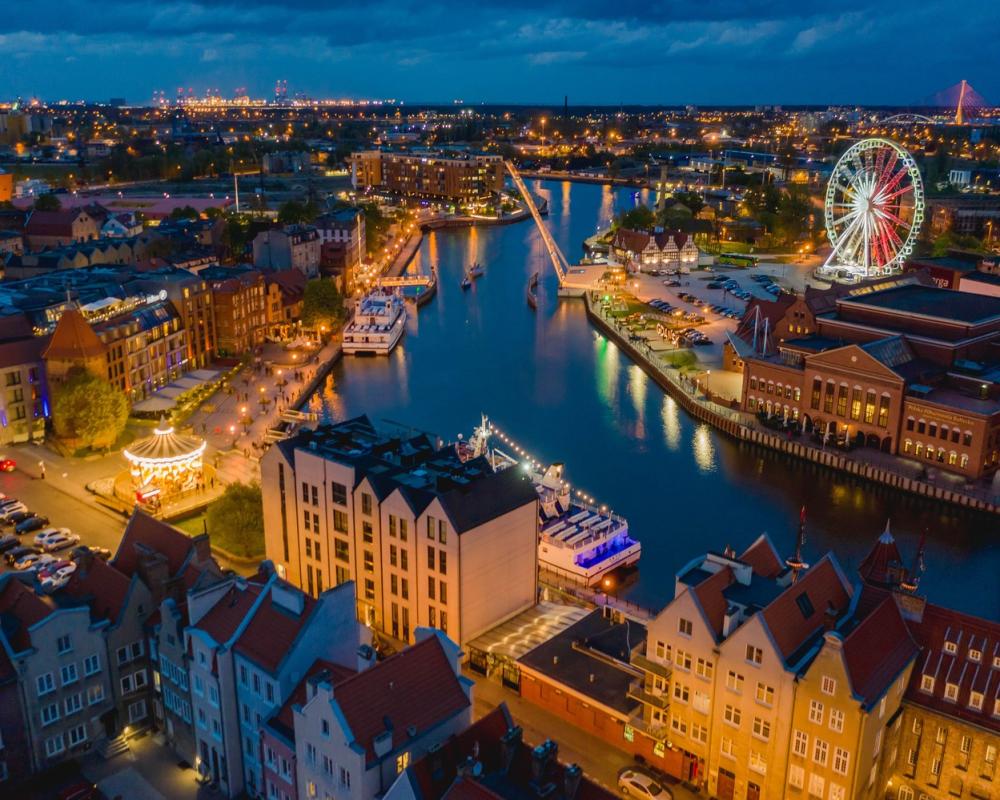
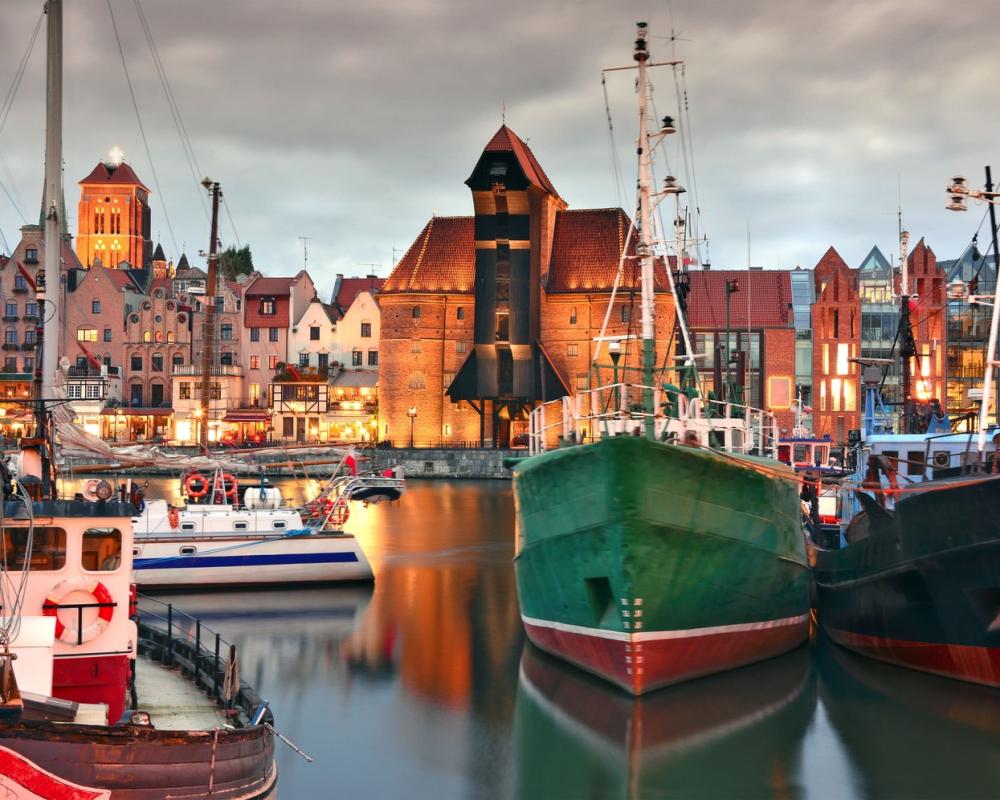
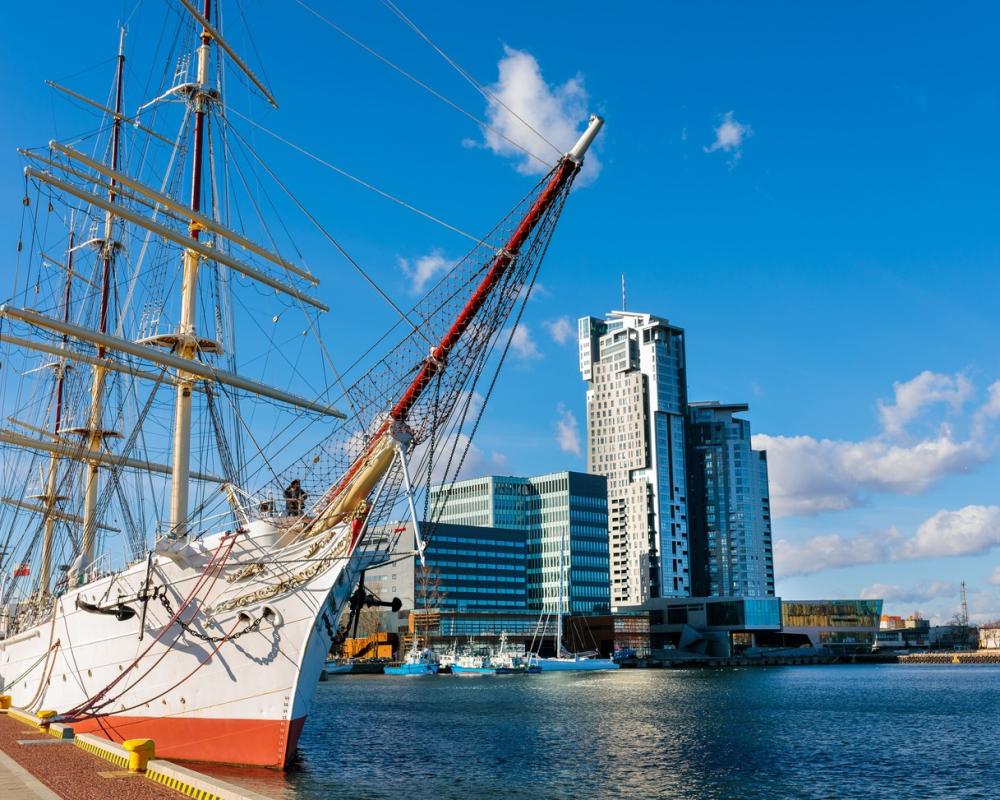
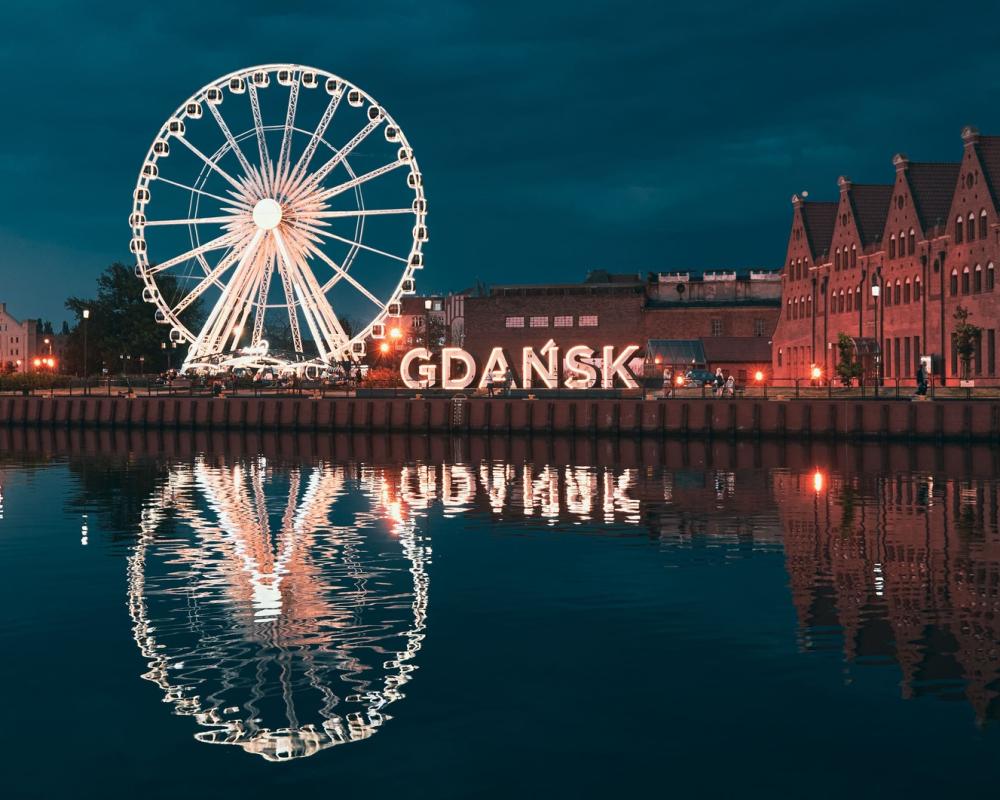
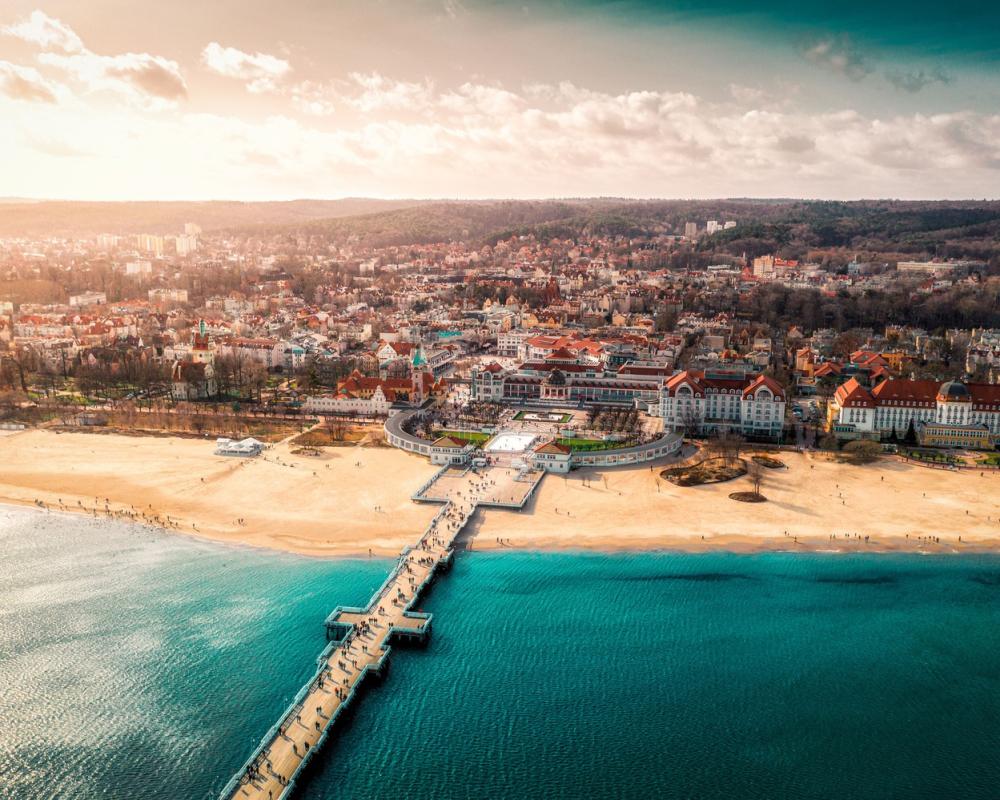
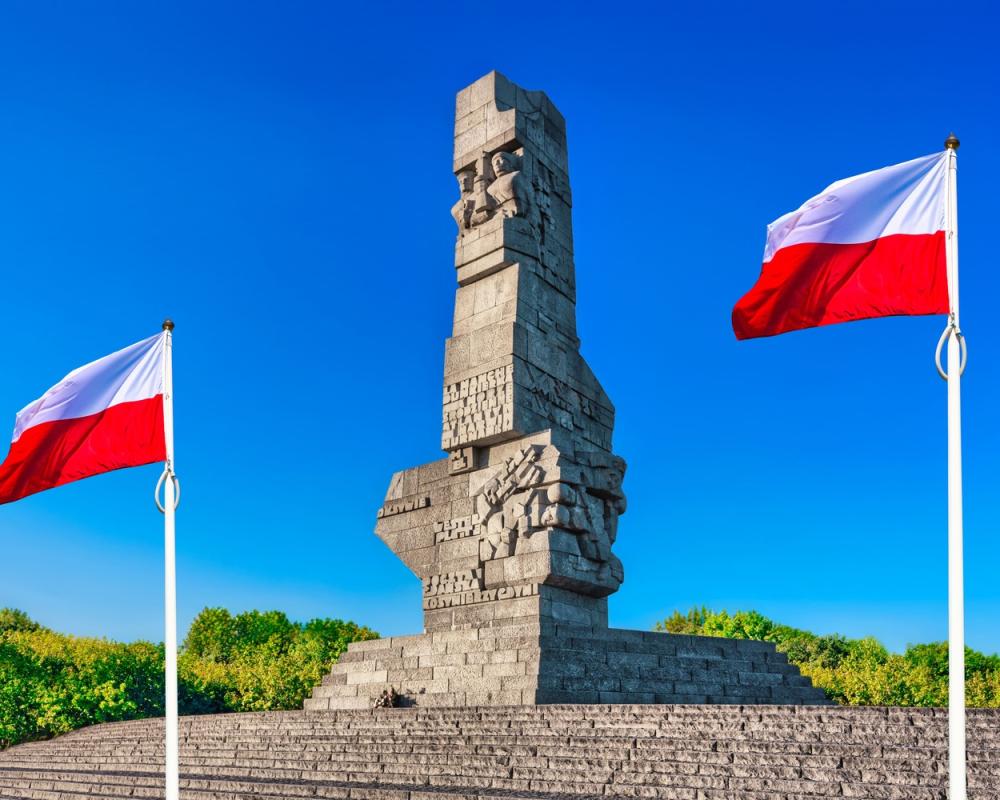
The Tri-City in Poland consists of Gdańsk, Sopot, and Gdynia. Although technically outside its borders, the Malbork Castle, a UNESCO World Heritage Site, is one of the region’s most frequently visited attractions.
Places worth visiting:
- Malbork Castle – located about 60 km southeast of Gdańsk, this fortress was built by the Teutonic Knights in the 13th century. It is the largest brick castle in the world and one of the largest medieval castles in Europe. Listed as a UNESCO World Heritage Site in 1997, it impresses with massive defensive walls, a moat, and numerous exhibition halls showcasing historical artifacts and works of art.
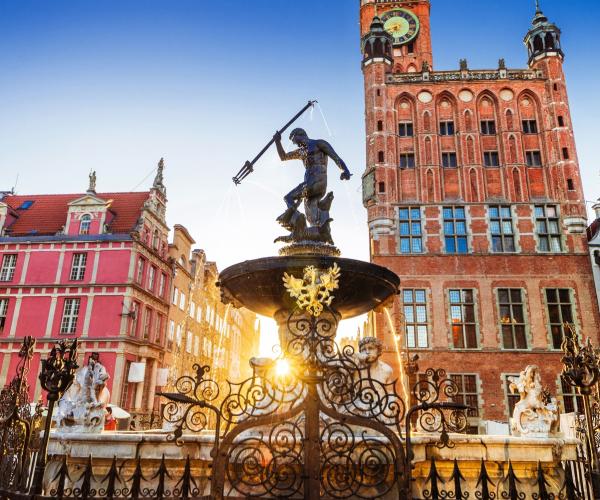
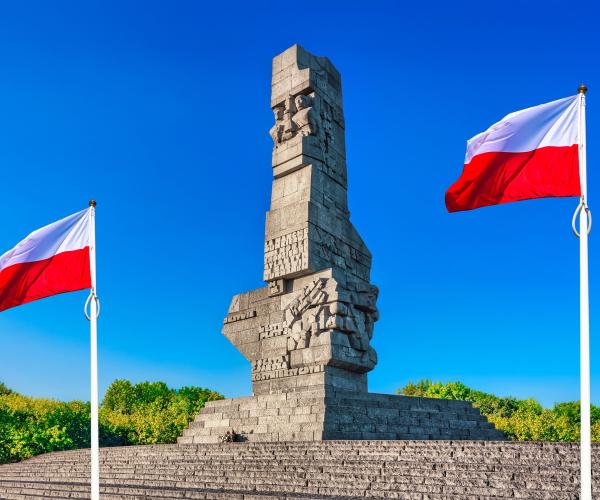
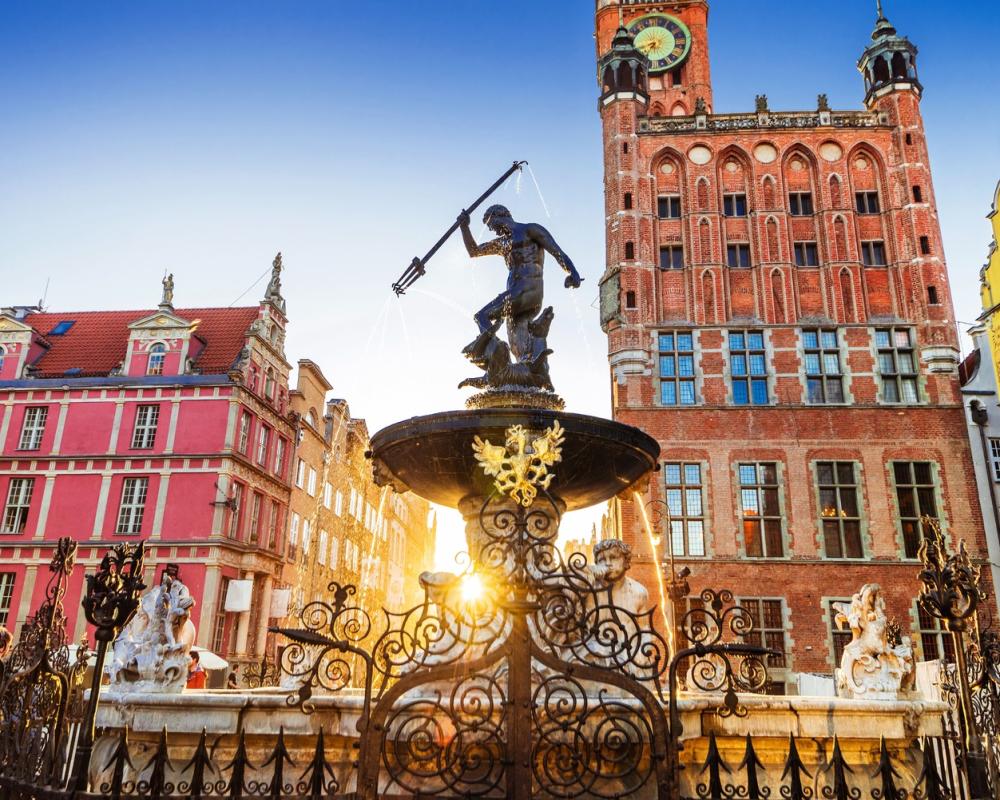
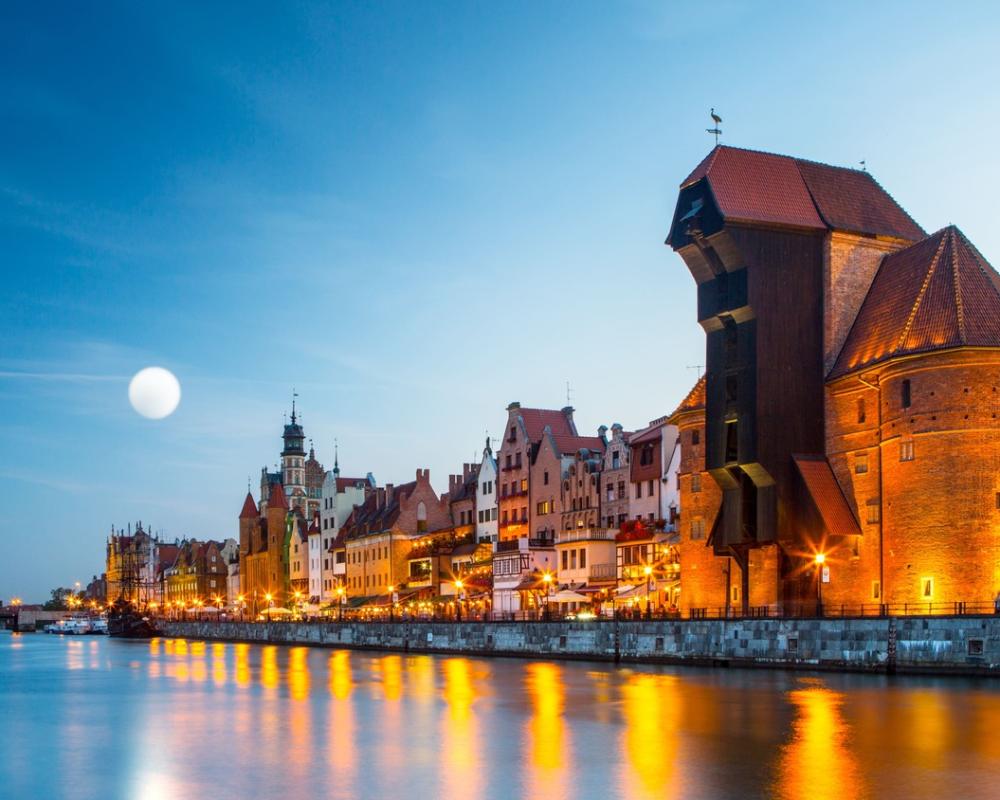
- Gdańsk – the city’s historic center is defined by its main pedestrian route, which includes the Golden Gate, Long Street, and Long Market. The Golden Gate is a Renaissance-Mannerist city gate, and Long Street is lined with elegant townhouses, shops, and cafés. Long Market is home to the Main Town Hall, whose tower houses a branch of the Historical Museum. In front of Artus Court stands the iconic Neptune Fountain. Other highlights include St. Mary’s Basilica, one of the largest brick Gothic churches in Europe, as well as the Amber Museum, Archaeological Museum, and Maritime Museum.
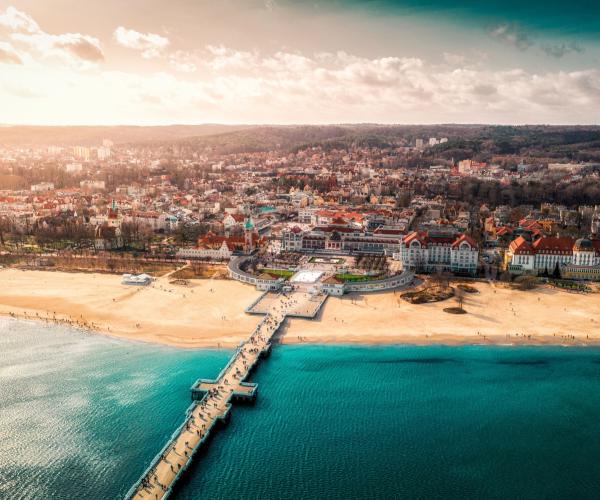
- Sopot – famous for the longest wooden pier in Europe, stretching 511 meters into the sea, ending with a seaside sunbathing area. On Fountain Square stands a marine lighthouse, and during summer the open-air stage hosts numerous events. The city is also home to the Crooked House, a uniquely designed building with shops and restaurants inside. Sopot boasts a wide sandy beach and has long been one of Poland’s most popular seaside resorts and spa destinations.
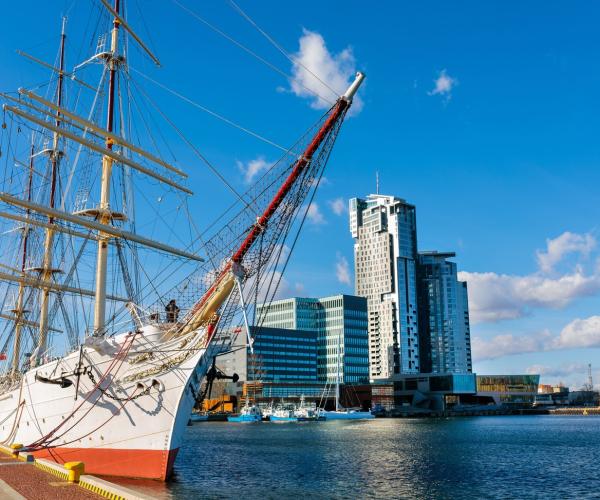
- Gdynia – a modern city featuring many examples of functionalist and modernist architecture from the early 20th century. Attractions include pirate-style ships moored in the harbor. The surrounding hills, forests, and coastal cliffs make it a favorite for nature lovers, while the golden city beach is a summertime hotspot, making Gdynia a vibrant holiday destination.
Poznań
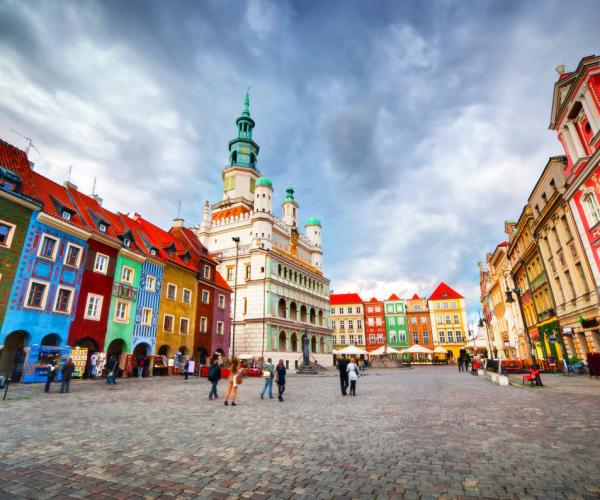
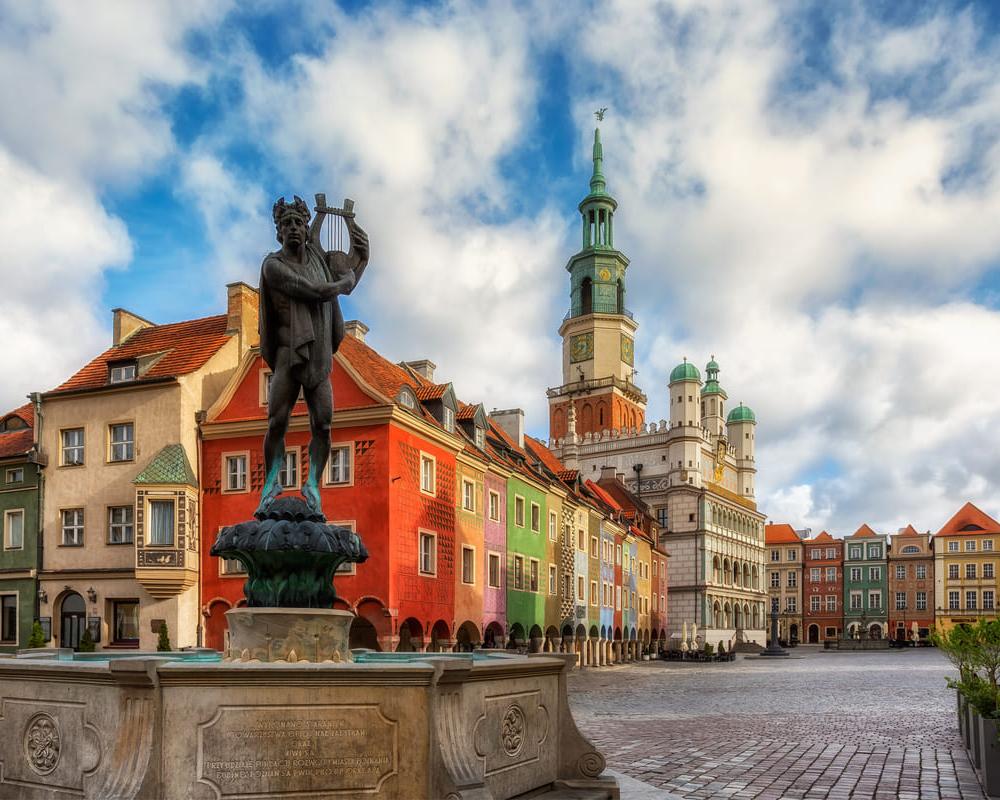
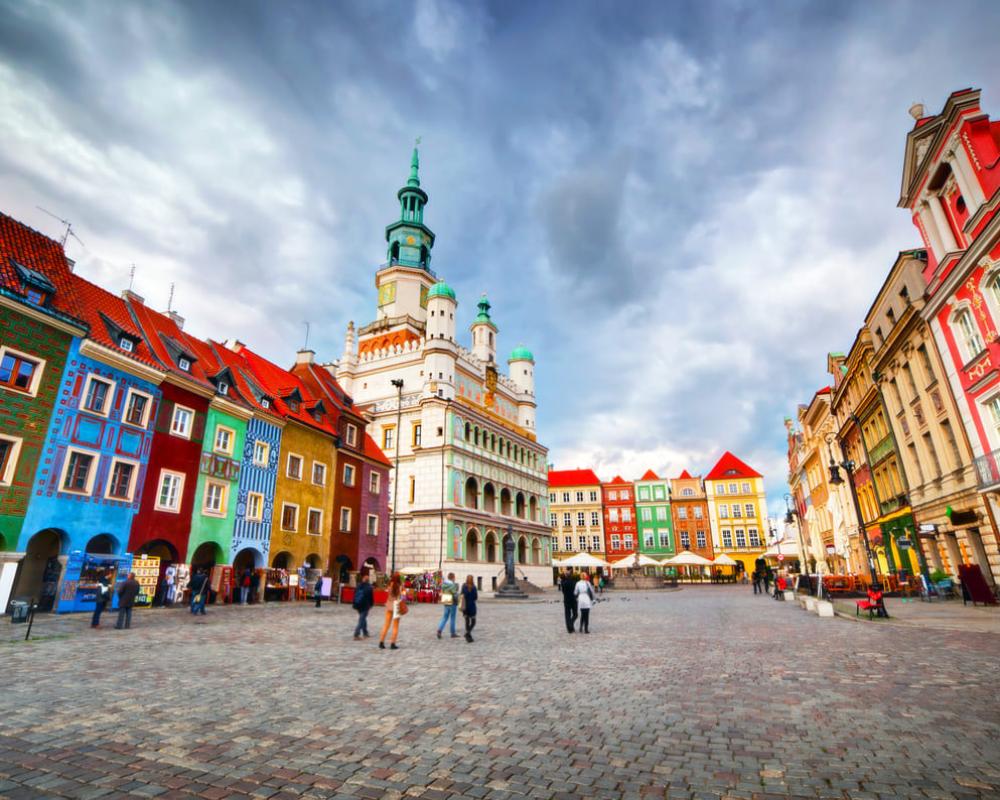
Poznań is a city with a rich historical and cultural heritage. The Old Town Square, Poznań Cathedral, and Royal Castle are among its most popular attractions. The city also boasts a vibrant nightlife, diverse culinary scene, and hosts major international events every year.
Places worth visiting:
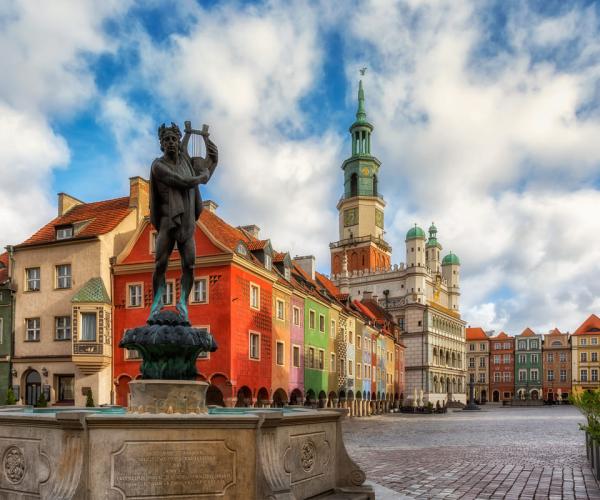
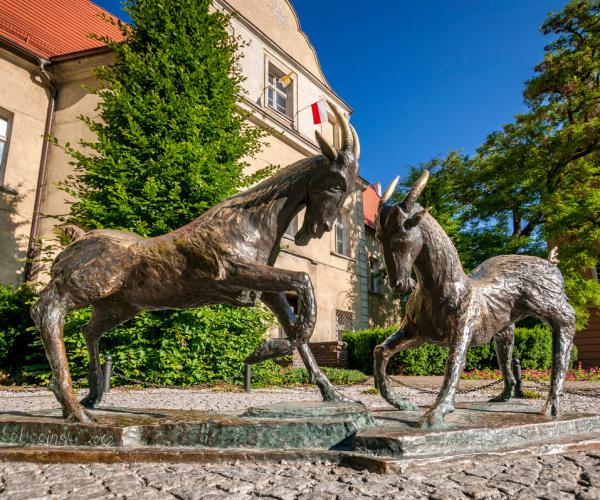
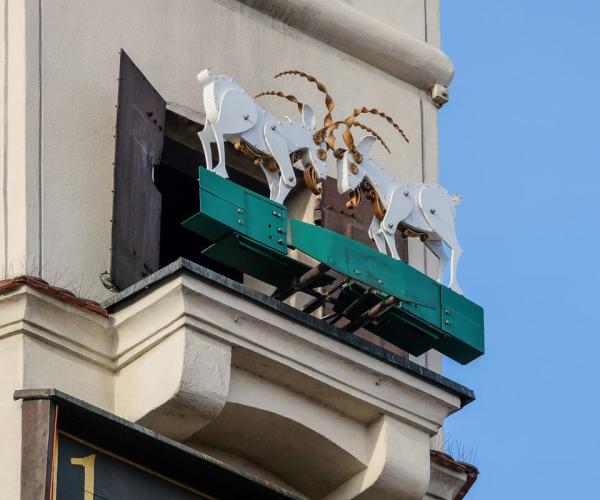
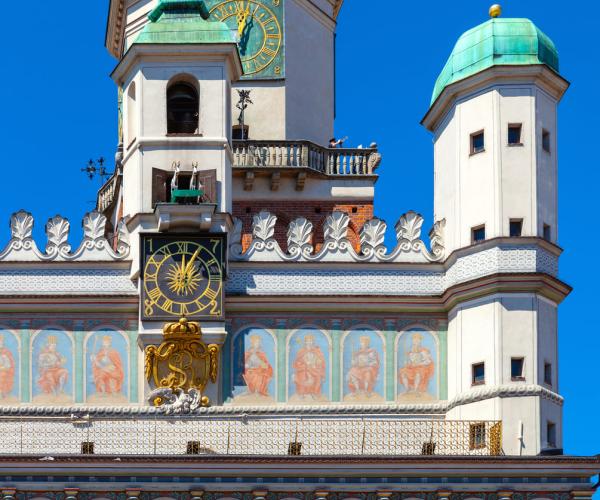
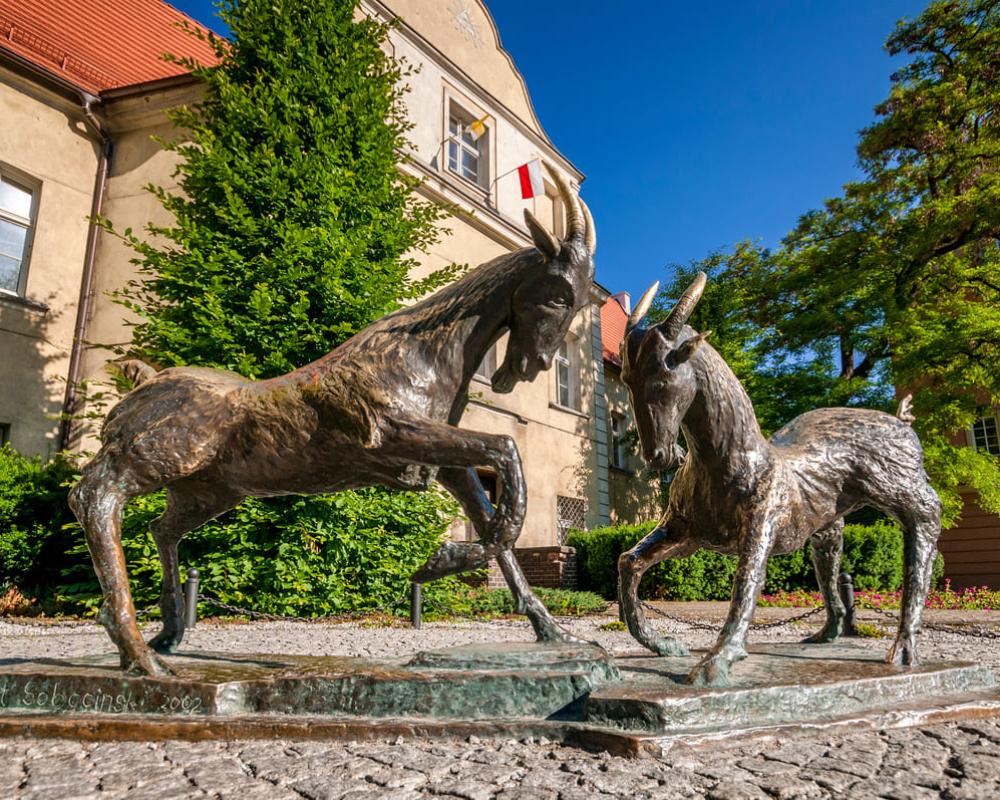
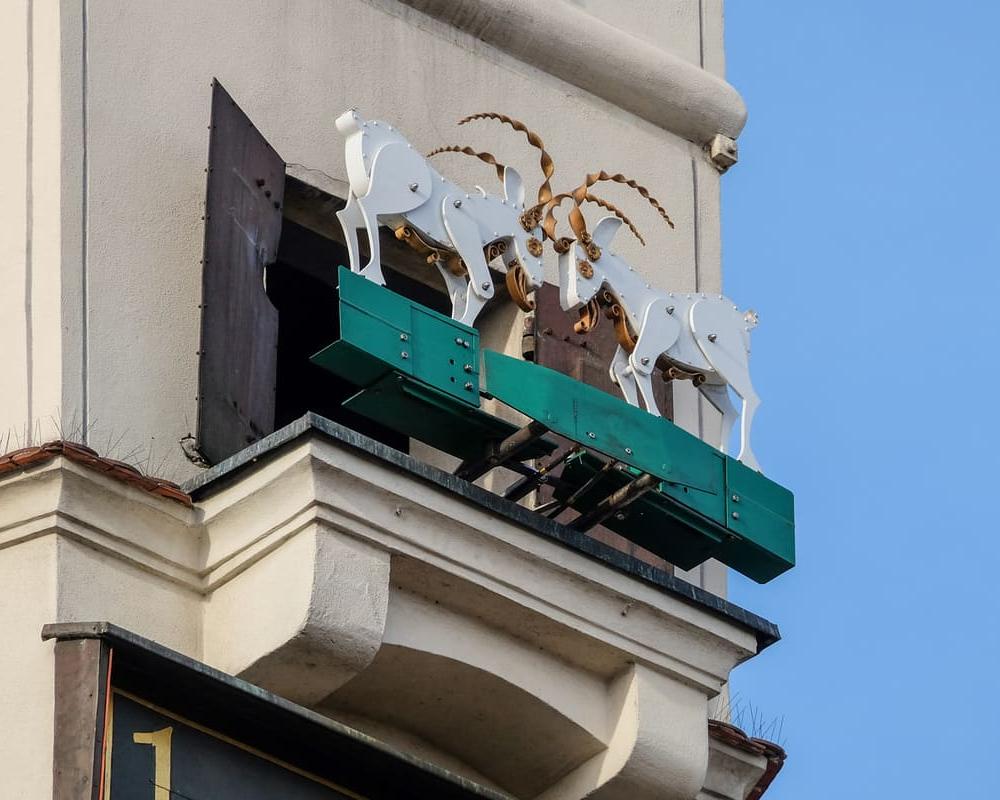
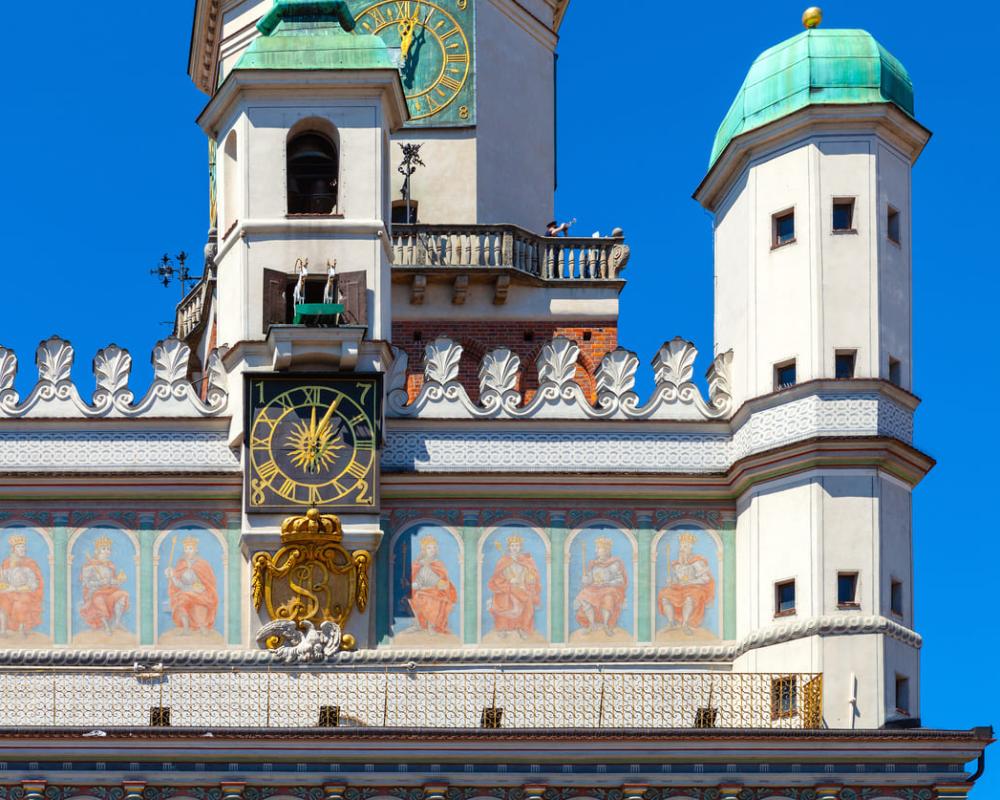
- Old Town Square – one of Poznań’s most iconic landmarks, with origins dating back to the 13th century. At its center stands the Renaissance-style Town Hall, now home to the Historical Museum of Poznań. Every day at noon, two mechanical goats emerge from the tower to butt heads as the clock chimes – a beloved local tradition.
- Archcathedral Basilica of Sts. Peter and Paul – located on Cathedral Island, this church was founded in 968, making it one of the oldest in Poland. Over the centuries, it has undergone numerous reconstructions, blending Romanesque, Gothic, Baroque, and modern elements.
- Royal Castle – once the residence of King Przemysł II, it now houses the Museum of Applied Arts, featuring nearly 2,000 exhibits ranging from the Middle Ages to contemporary design.
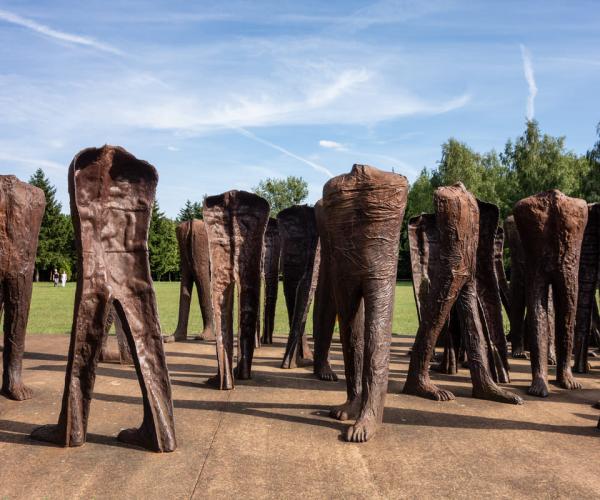
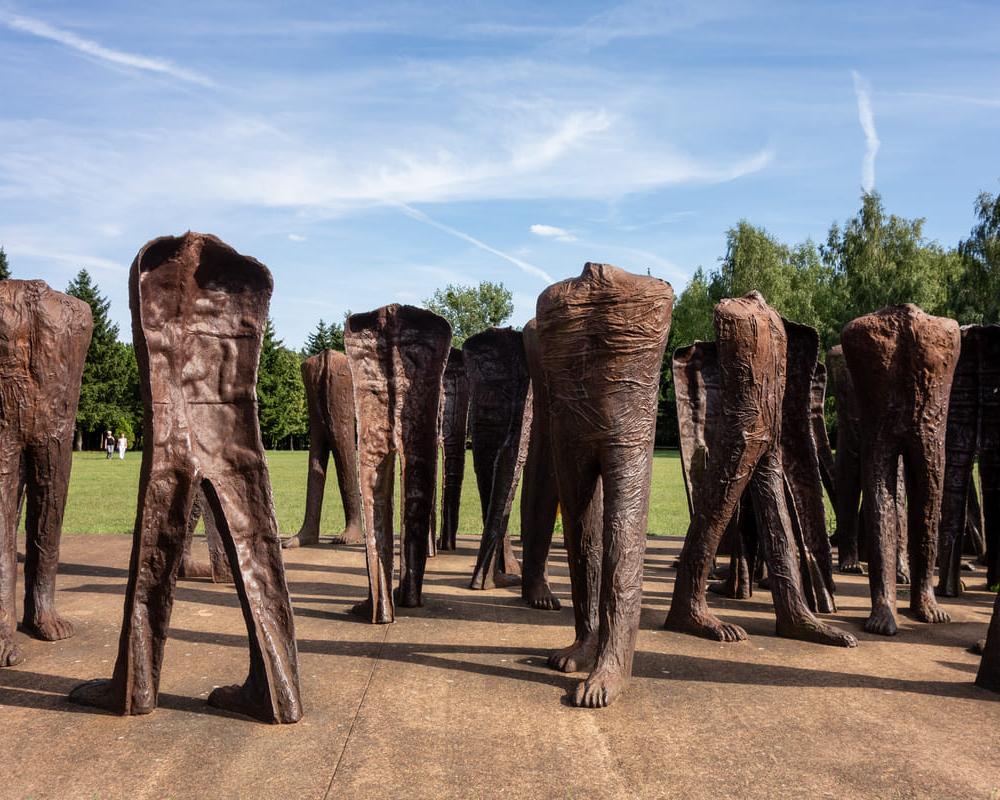
National Museum in Poznań – home to a vast collection of Polish and European art, including paintings, sculptures, and decorative crafts. Notably, it houses Beach at Pourville, the only work by Claude Monet in Poland. - Museums in Poznań Citadel Park – the park features the Museum of Armaments, with an extensive outdoor display of military equipment, and the Museum of the Poznań Army, showcasing a wide range of military artifacts. A notable highlight is Unrecognized, an outdoor installation by renowned artist Magdalena Abakanowicz.
- Malta Lake and surroundings – home to one of Europe’s most modern regatta courses, surrounded by recreational facilities including sports centers, walking and cycling paths, mini-golf and golf courses, year-round ski slopes, and a summer bobsleigh track.


Wrocław
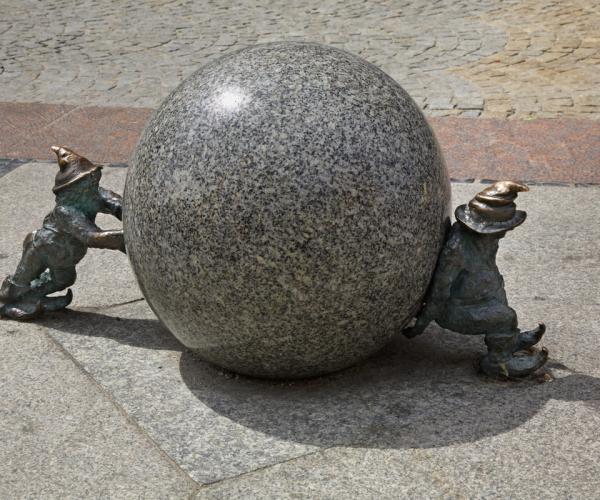
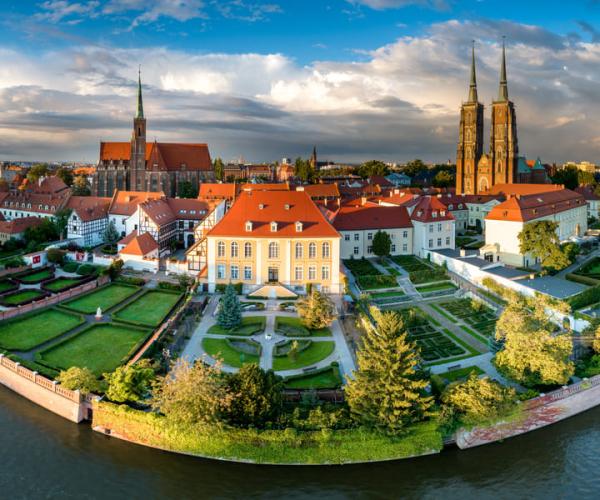
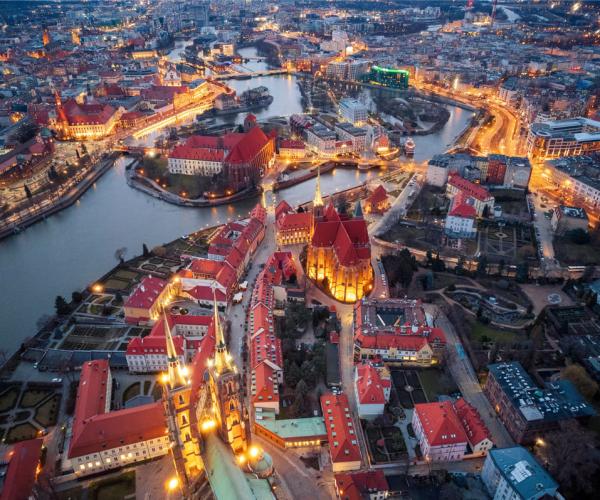
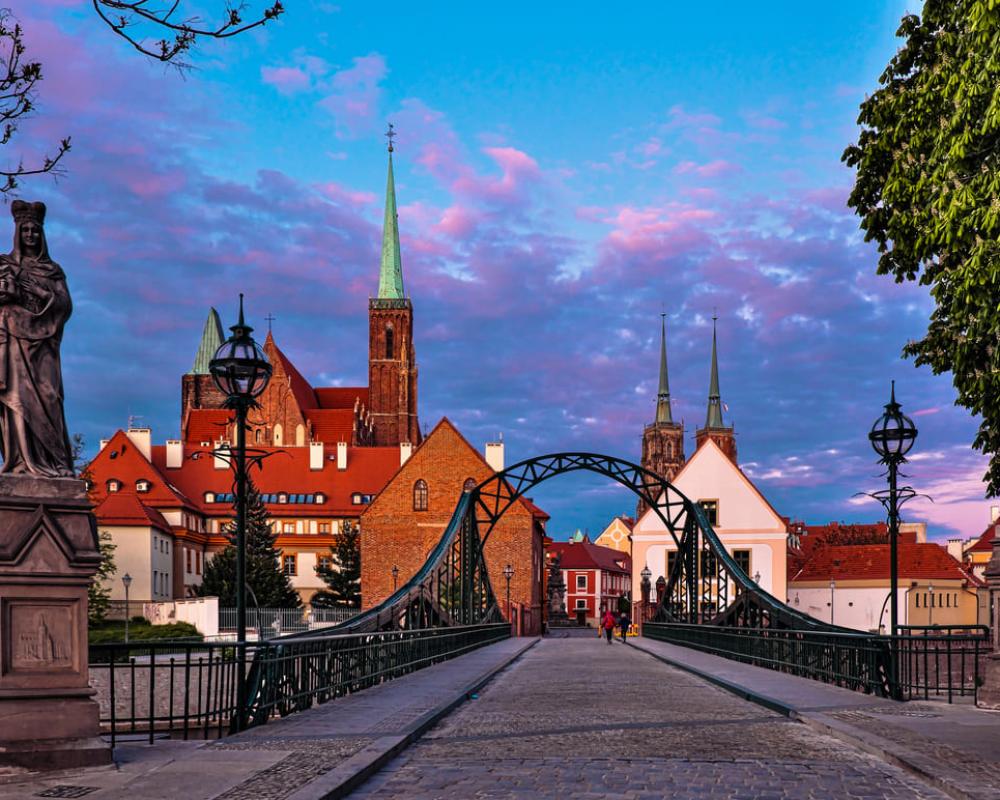
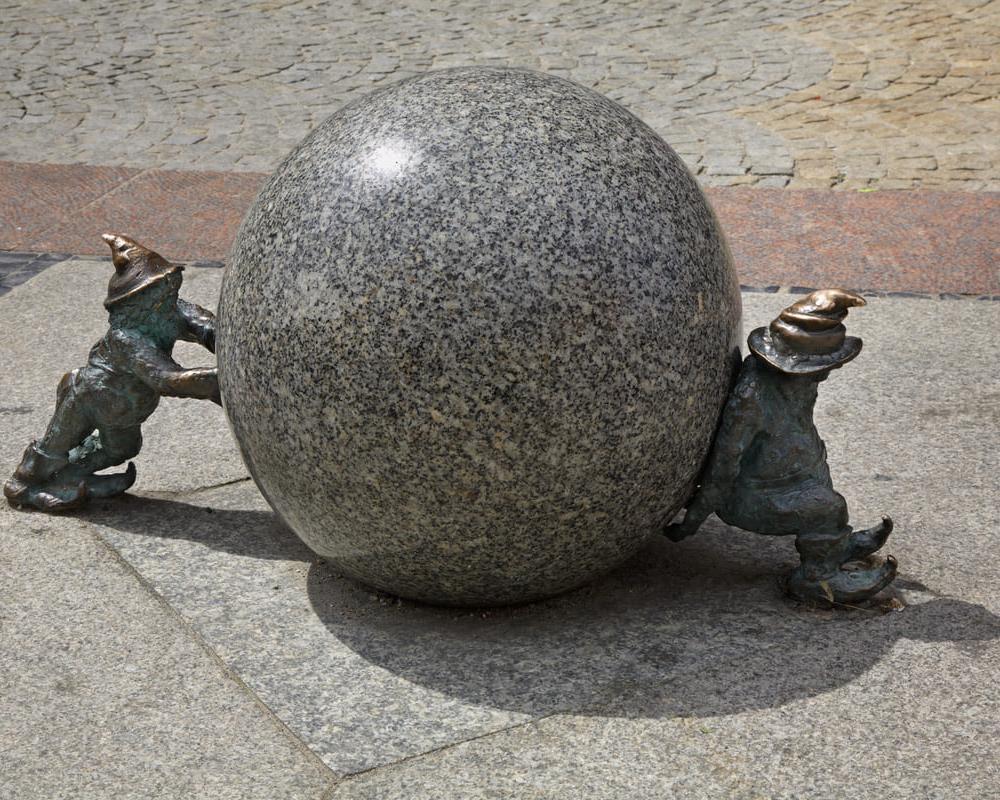
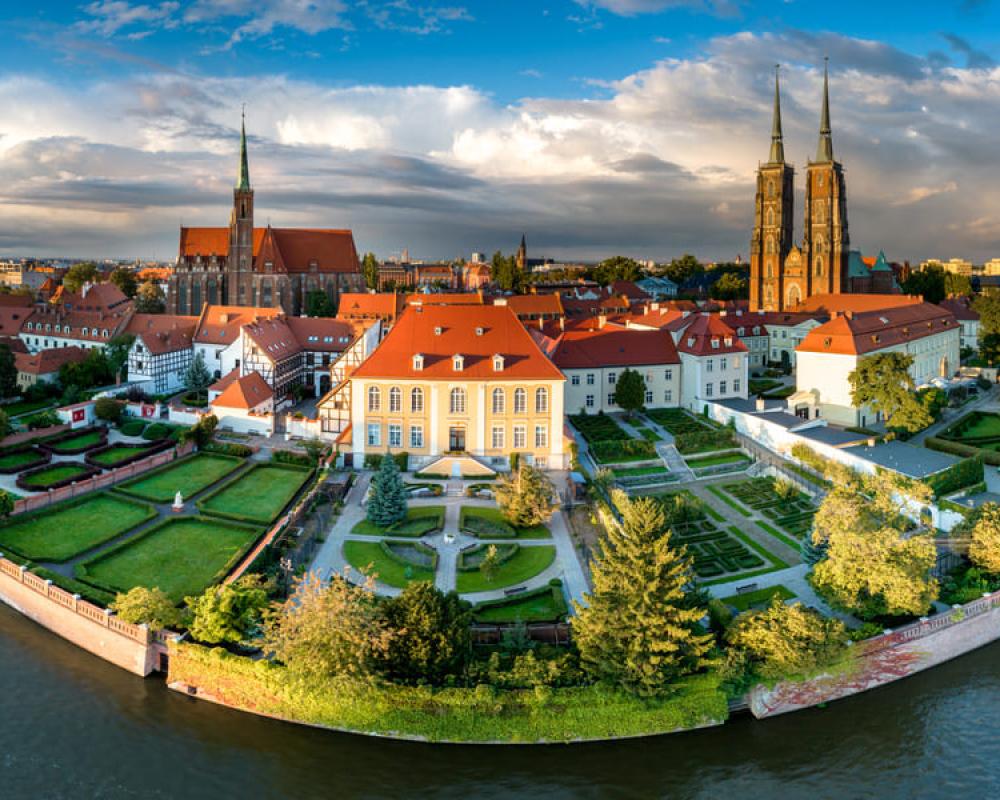
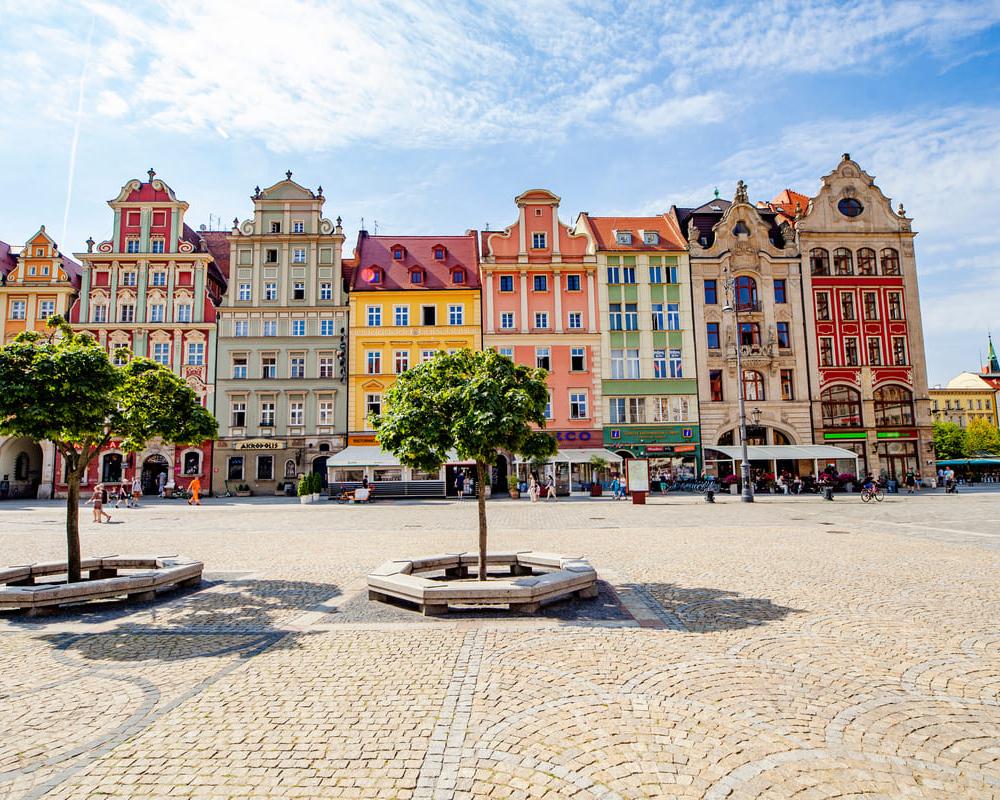
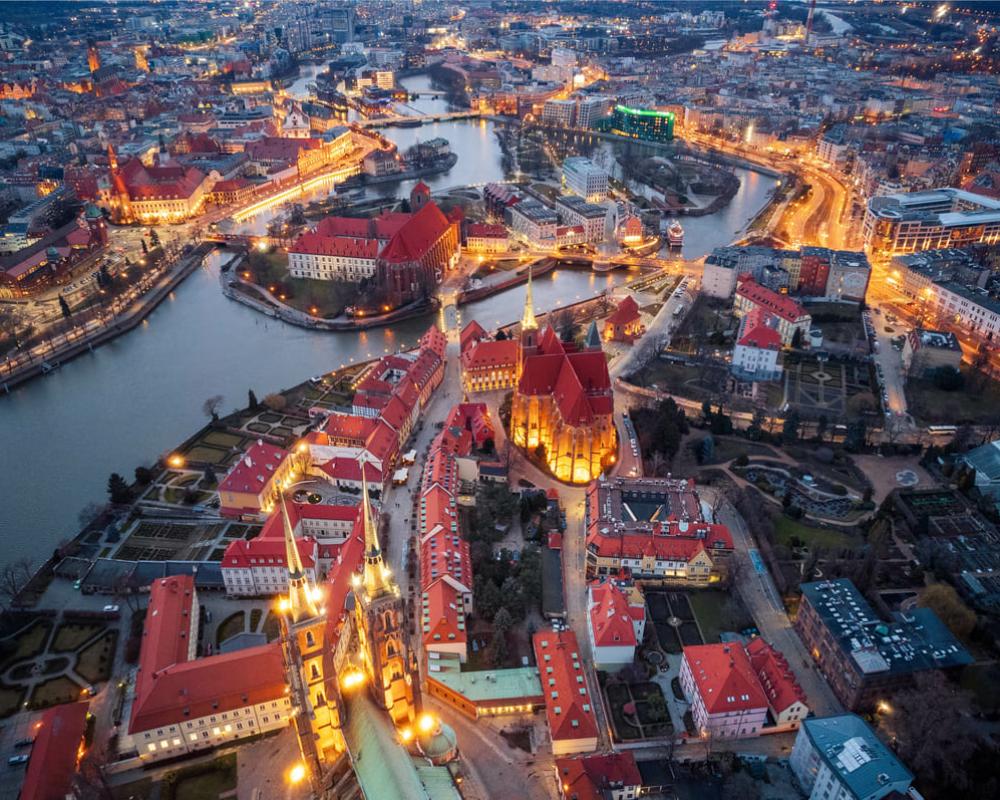
Located in southwestern Poland, Wrocław is often called the “City of a Hundred Bridges.” The city enchants visitors with its fairy-tale-like Old Town, rich collection of museums, charming streets, and whimsical dwarf statues scattered throughout. The highlights include Ostrów Tumski (Cathedral Island) and the vibrant Old Town.
Places worth visiting:
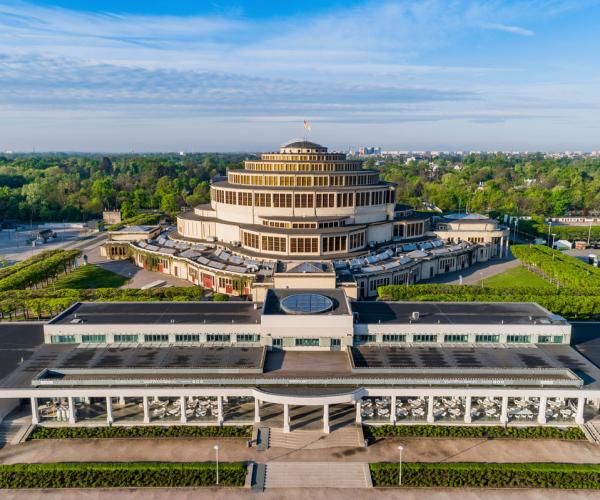
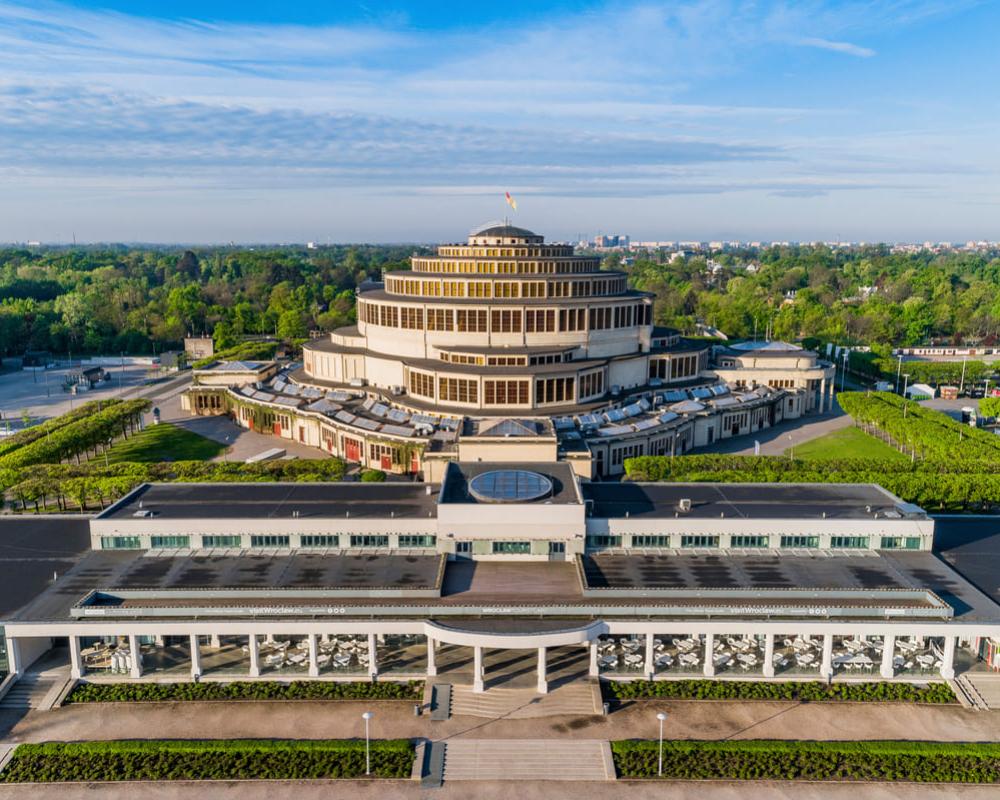
- Centennial Hall – one of the most important architectural landmarks of the 20th century. Its 23-meter-high lantern-shaped steel-and-glass dome and distinctive wall designs make it unique. Listed as a UNESCO World Heritage Site in 2006, the building is fronted by one of the largest fountains in Poland – and even Europe – with 300 water jets illuminated by 800 computer-controlled lights at night.
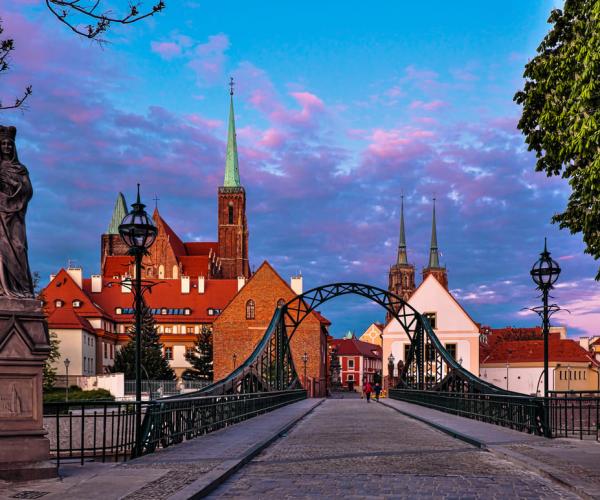
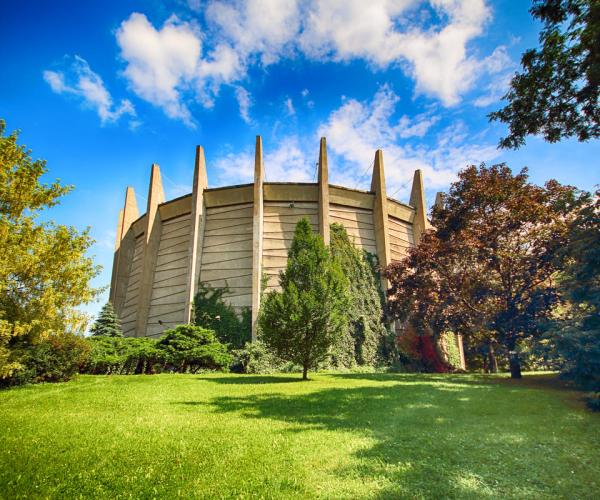
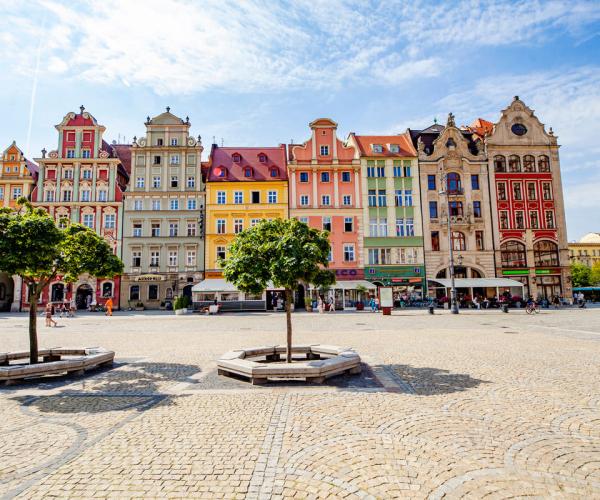
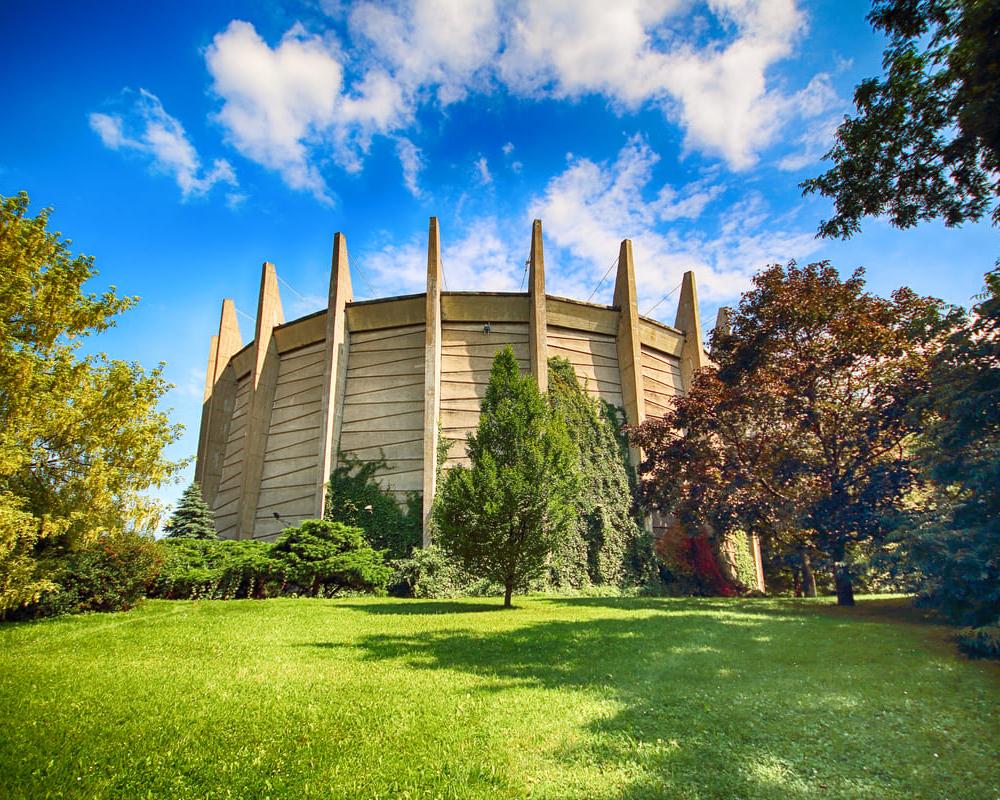
Ostrów Tumski (Cathedral Island) – the oldest part of Wrocław, home to Gothic landmarks such as the reconstructed Cathedral of St. John the Baptist and the Cathedral of the Holy Cross and St. Bartholomew. The Main Market Square is among Europe’s largest and most beautiful squares, featuring architectural gems like the House Under the Golden Sun and the late Gothic Old Town Hall. The District of Four Denominations houses an Orthodox cathedral, a Roman Catholic church, a Lutheran church, and a synagogue within close proximity. - The Racławice Panorama – a monumental cycloramic painting depicting the 1794 battle between Poles and Russians, displayed in a purpose-built circular rotunda. The city is crossed by the Oder River, with bridges such as Tumski Bridge, Witch Bridge, and Grunwald Bridge. Wrocław is also famous for its 300+ dwarf statues of various designs, now one of the city’s most beloved symbols.

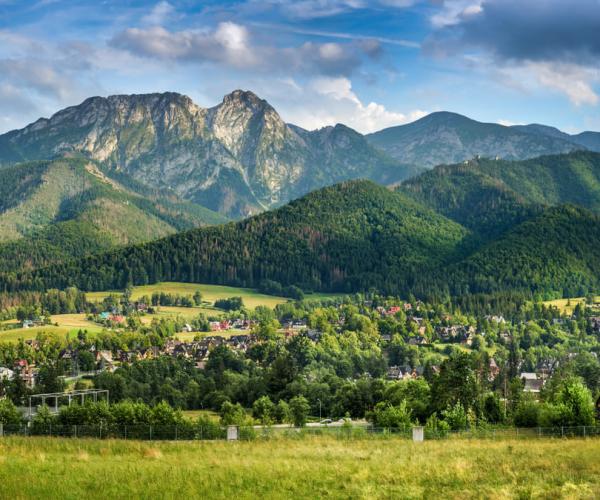
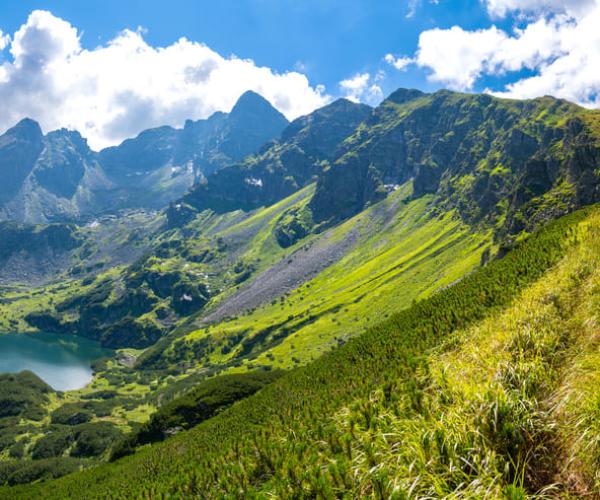
Zakopane
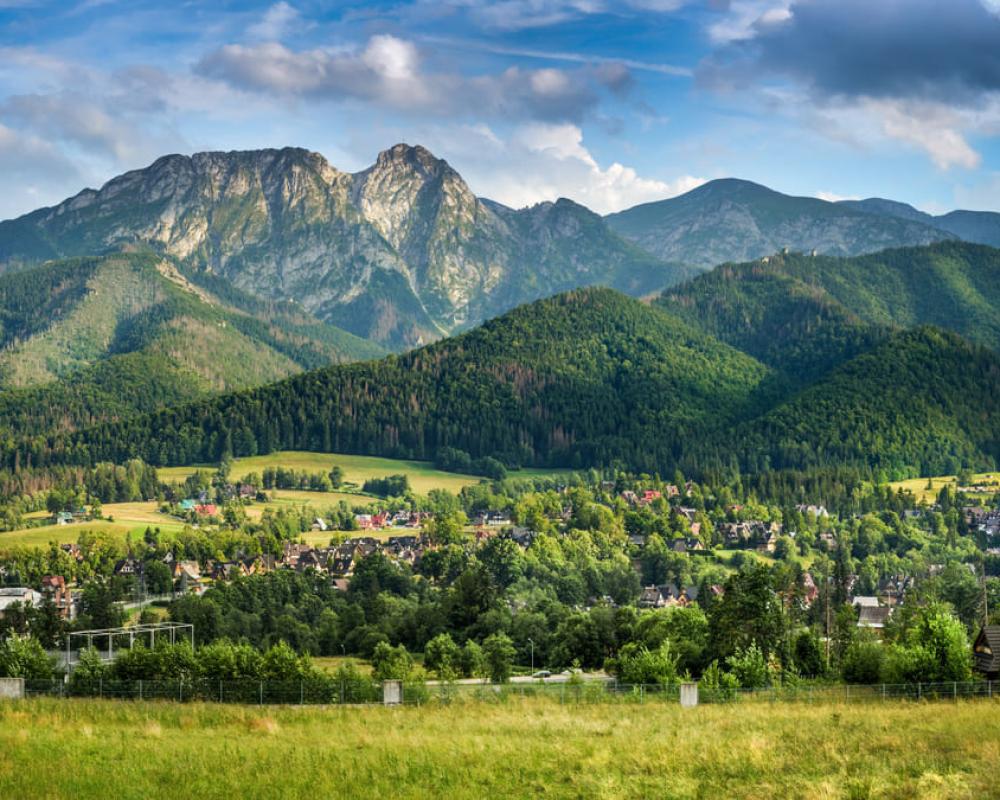
Known as “The Pearl of Poland’s Summer Resorts”, Zakopane is the capital of the Tatra Mountains. It is both a top winter ski destination and a summer hiking paradise, with a unique highland culture and spa traditions.
Places worth visiting:
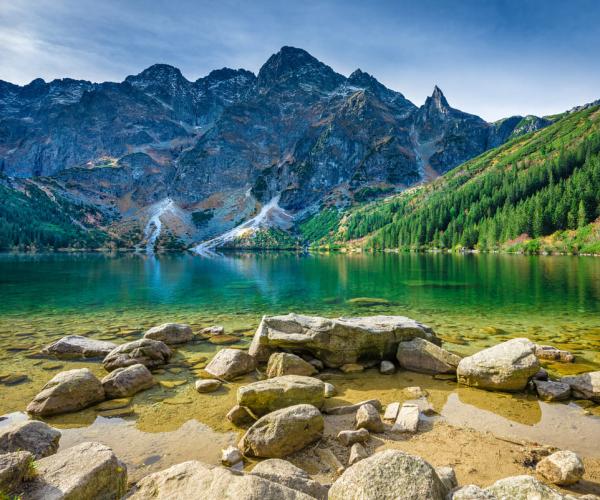
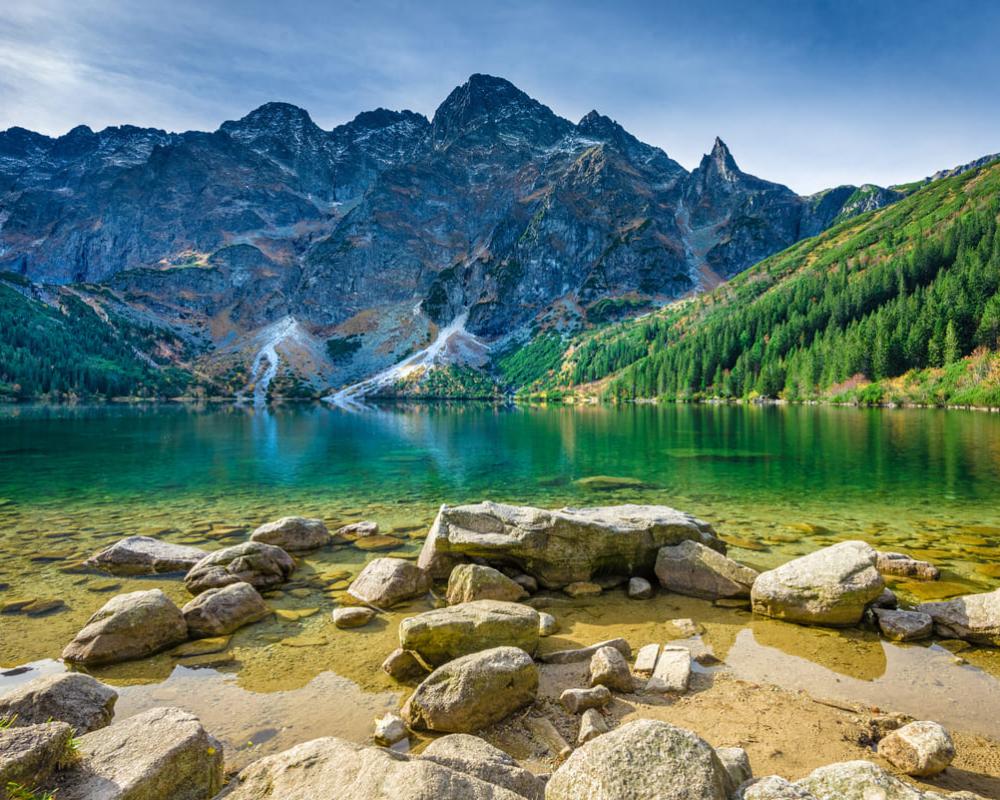
- Morskie Oko – the largest glacial lake in the Tatras, famed for its emerald waters and named one of the world’s most beautiful lakes by The Wall Street Journal. Access involves a scenic 8 km hike from Łysa Polana.
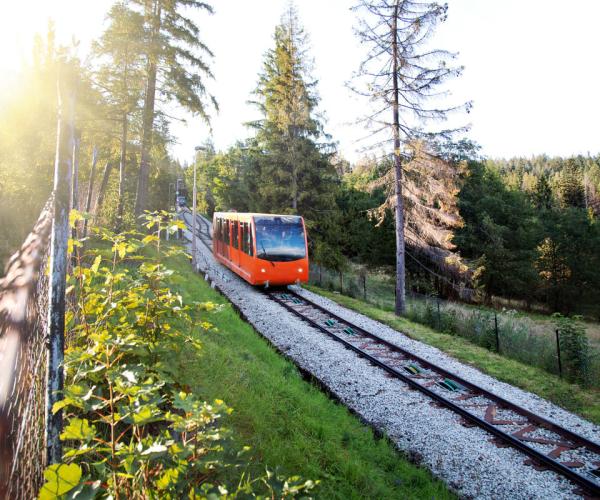
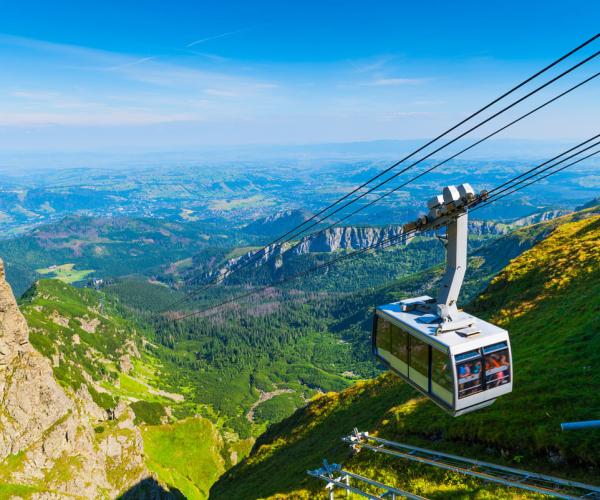
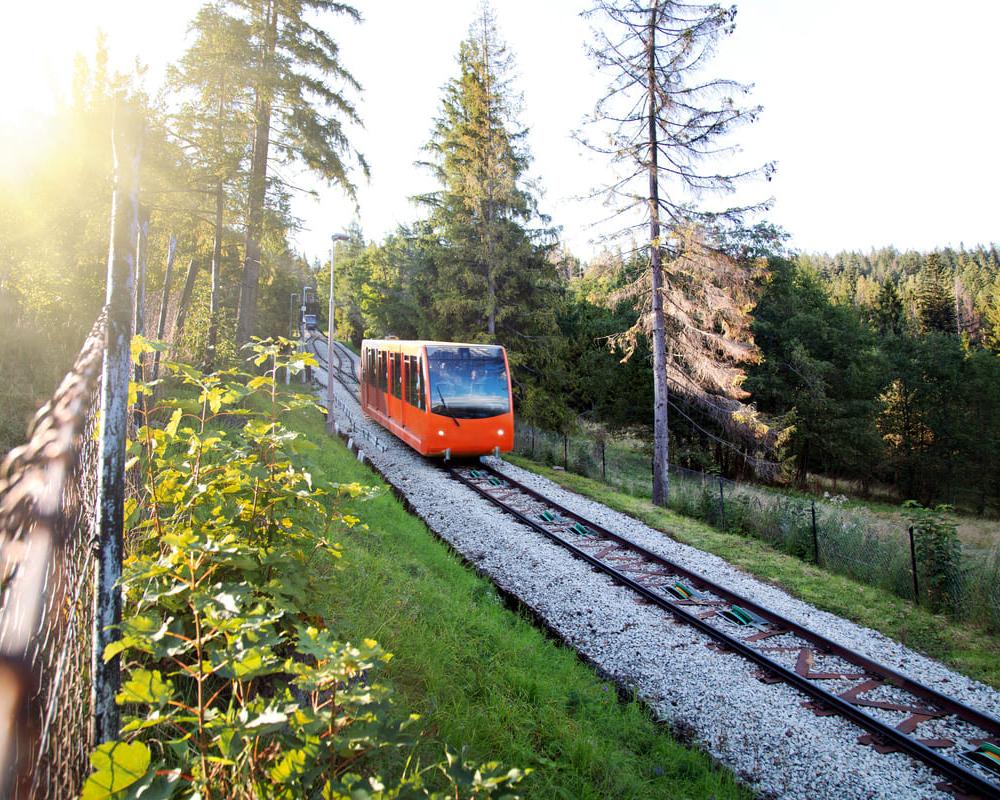
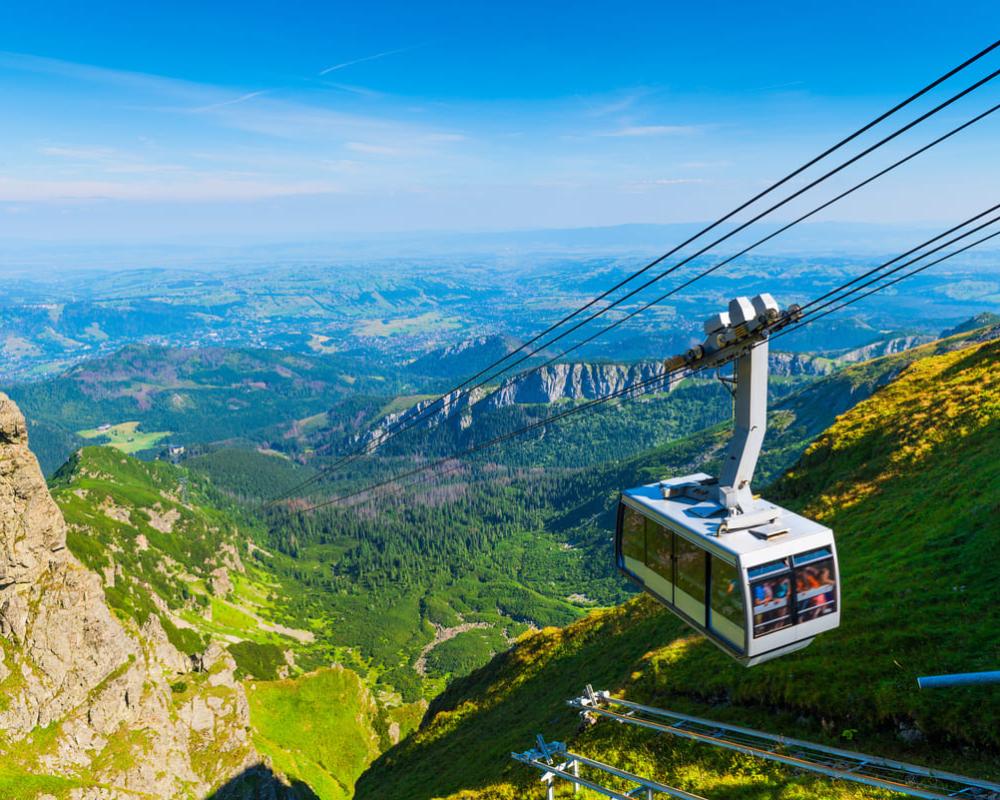
Kasprowy Wierch – at 1,985 meters, it offers spectacular views of the Polish-Slovak border. Reachable by a 20-minute cable car ride. - Gubałówka – a popular hill with panoramic views over Zakopane and the Tatras, accessible via a vintage funicular. Shops and restaurants await at the summit.
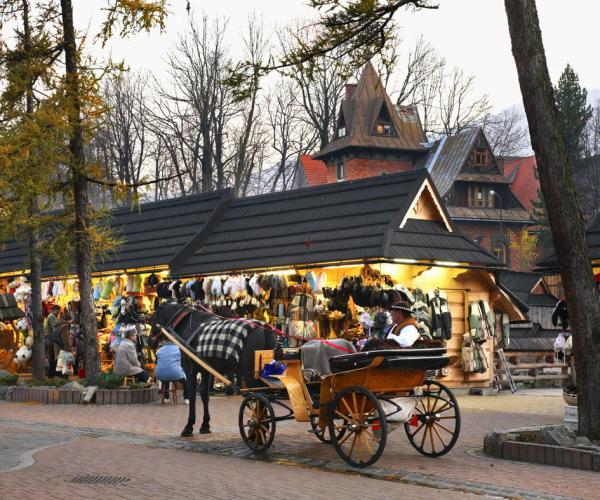
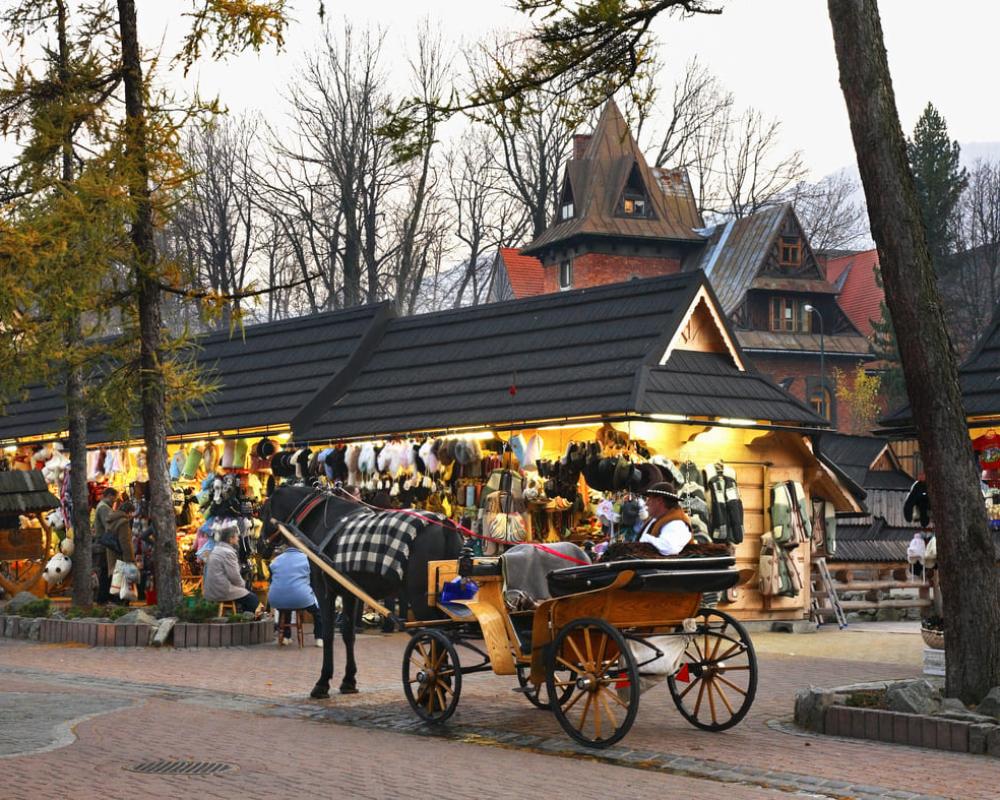
- Krupówki Street – the main pedestrian street, lined with wooden taverns, craft shops, and food stalls selling smoked sheep cheese (oscypek).
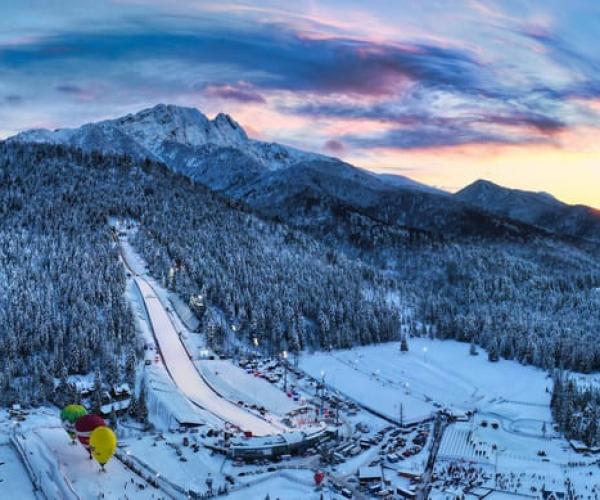
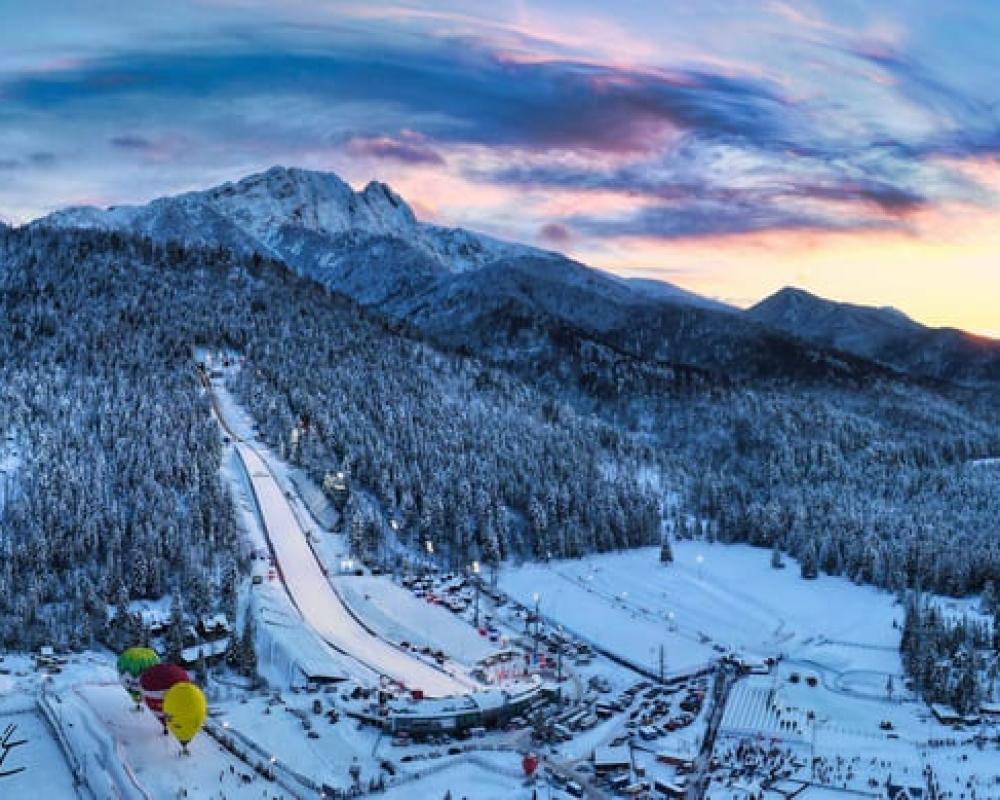
- Wielka Krokiew – Poland’s largest ski jump, hosting major competitions and open for visits year-round.

Łódź
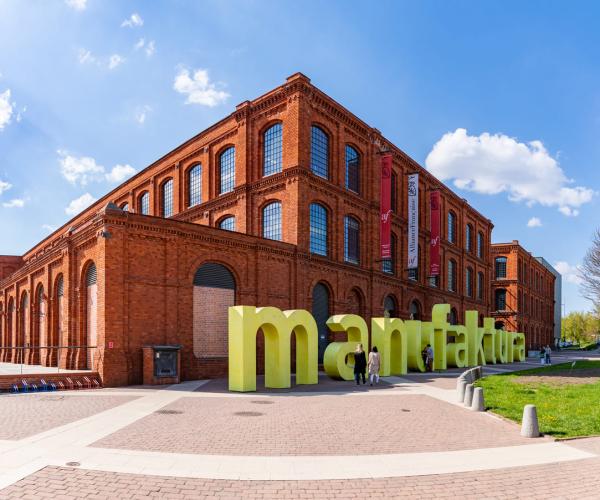
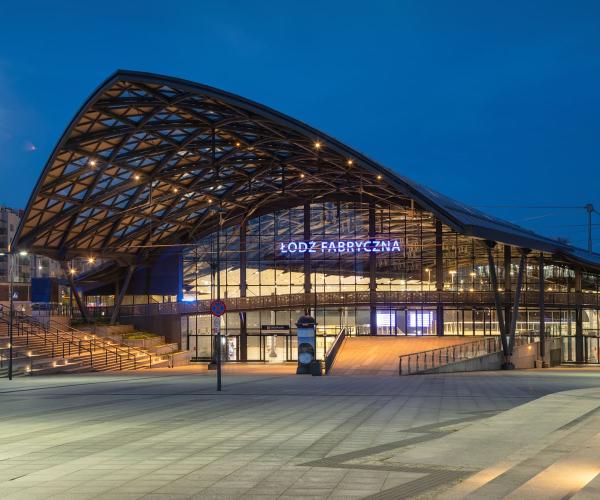
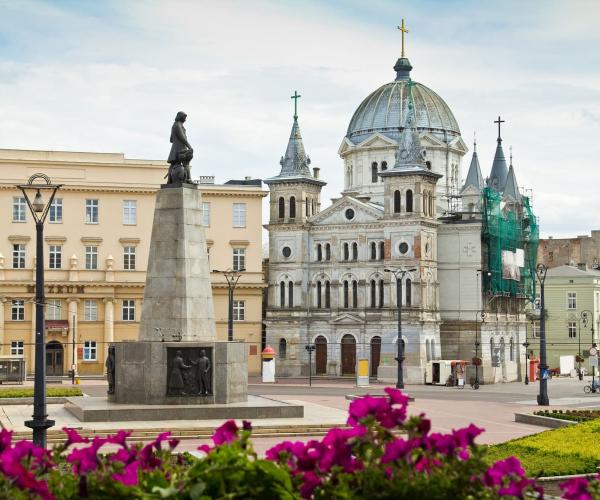
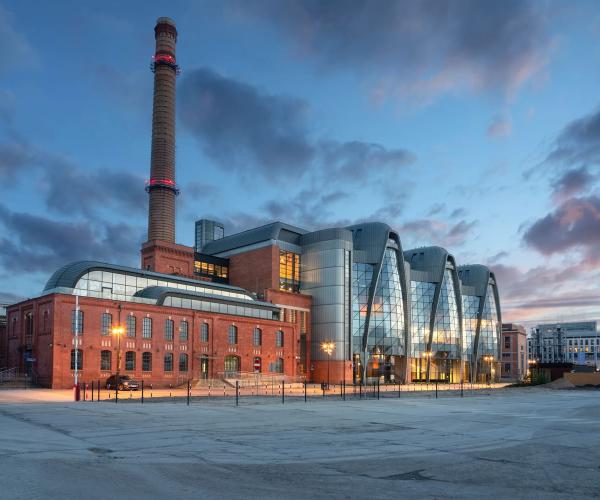
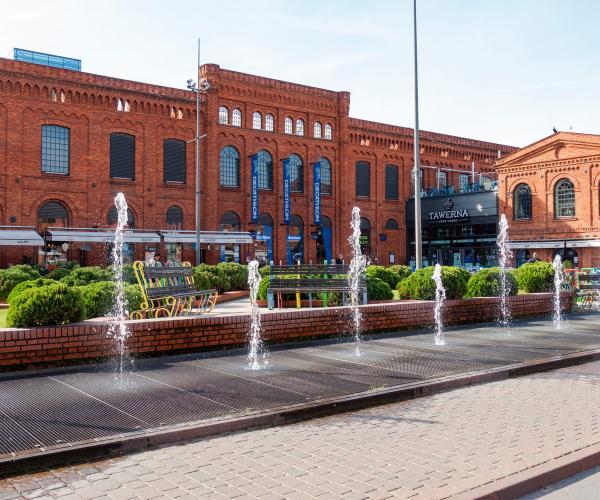
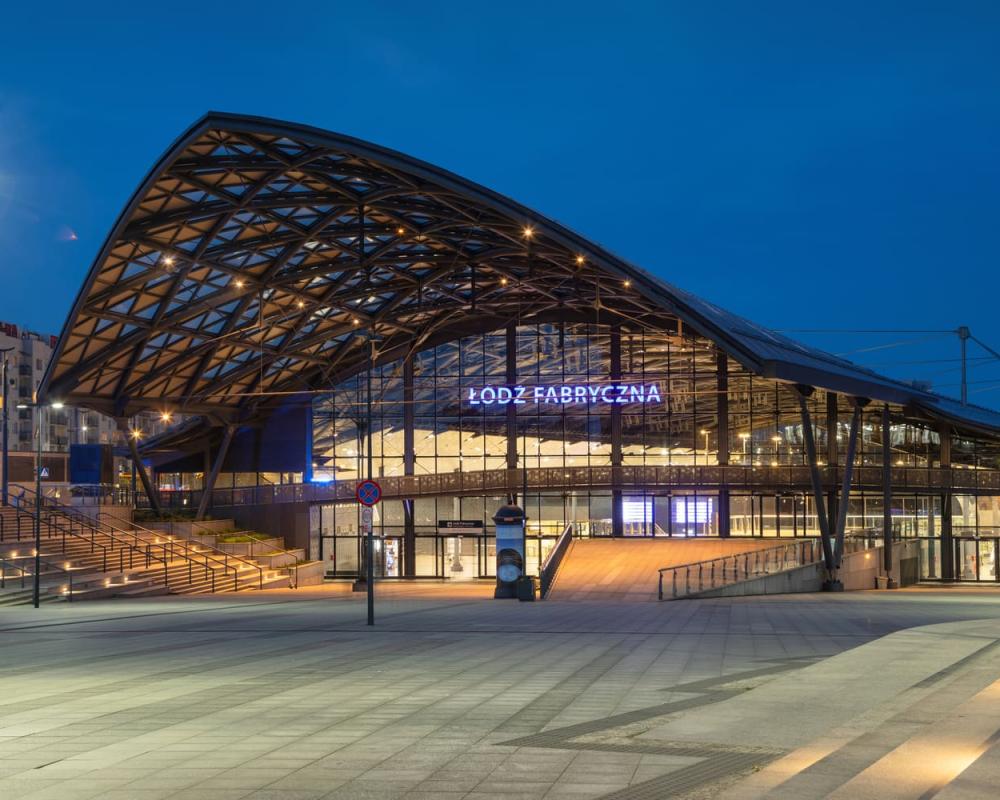
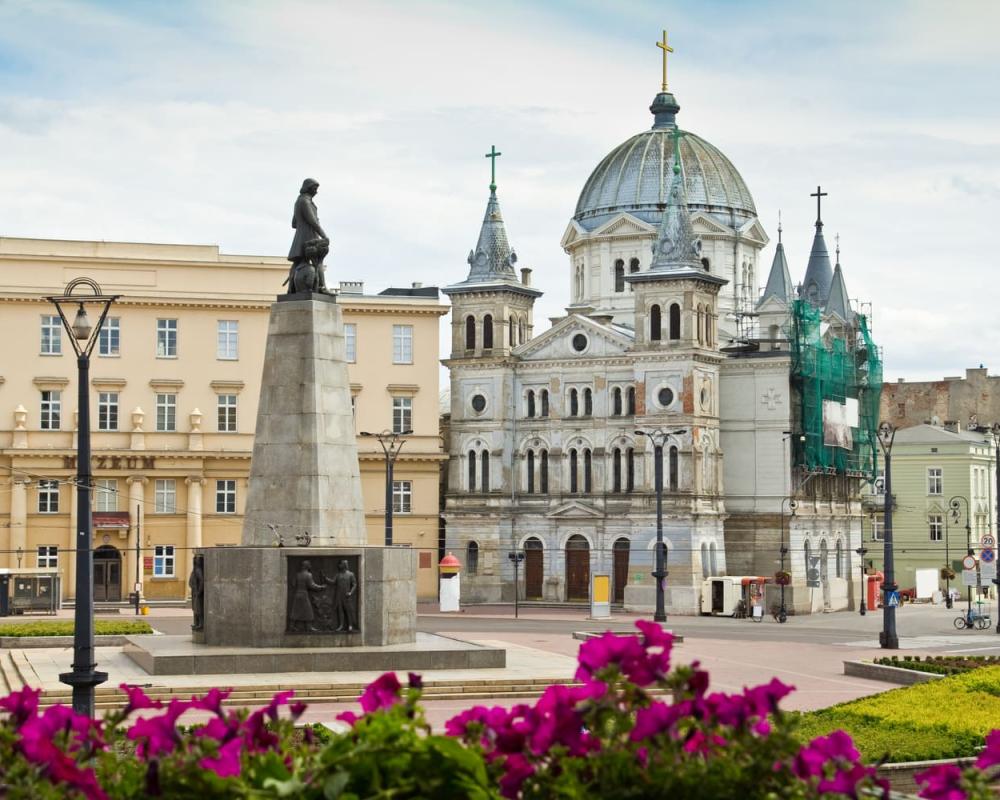
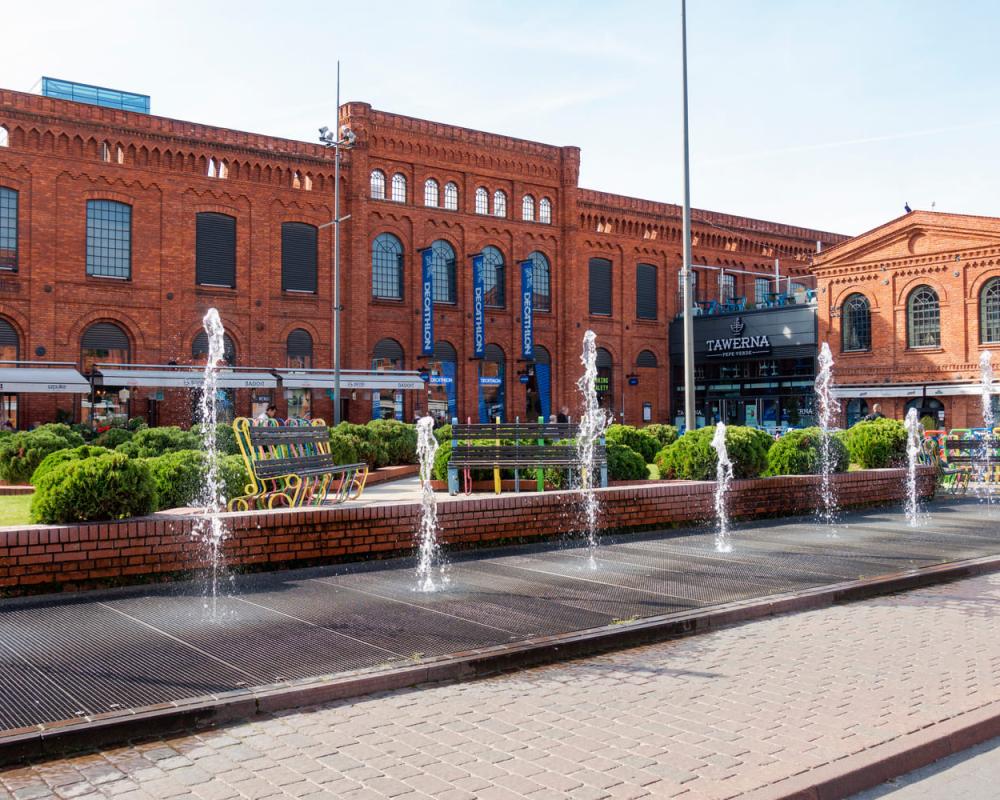
Once Poland’s textile capital, Łódź combines industrial heritage with vibrant culture. The famous Piotrkowska Street is its main commercial artery, while the Manufaktura complex offers a mix of shopping, dining, and culture. In 2017, Łódź joined the UNESCO Creative Cities Network as a City of Film.
Places worth visiting:
- Piotrkowska Street – Poland’s longest pedestrian street, lined with boutiques, cafés, clubs, and statues of famous figures such as pianist Arthur Rubinstein. Bustling by day and lively by night.
Manufaktura – a revitalized textile factory turned into a multi-purpose complex with shops, restaurants, cinemas, theaters, and museums including the MS2 Art Museum and the Factory Museum. - [photo: Manufaktura]
- Łódź City Museum – housed in the grand Izrael Poznański Palace, with exhibitions on the city’s history, art, and culture.
- Film Museum – dedicated to the city’s film industry, featuring exhibits related to famous alumni such as Roman Polański and Andrzej Wajda.
- Central Museum of Textiles – located in Ludwik Geyer’s “White Factory”, this museum showcases Poland’s textile history, including historic machinery and fabric samples.


_in_łódź,_poland_600x500.jpg?width=1500&height=1000)
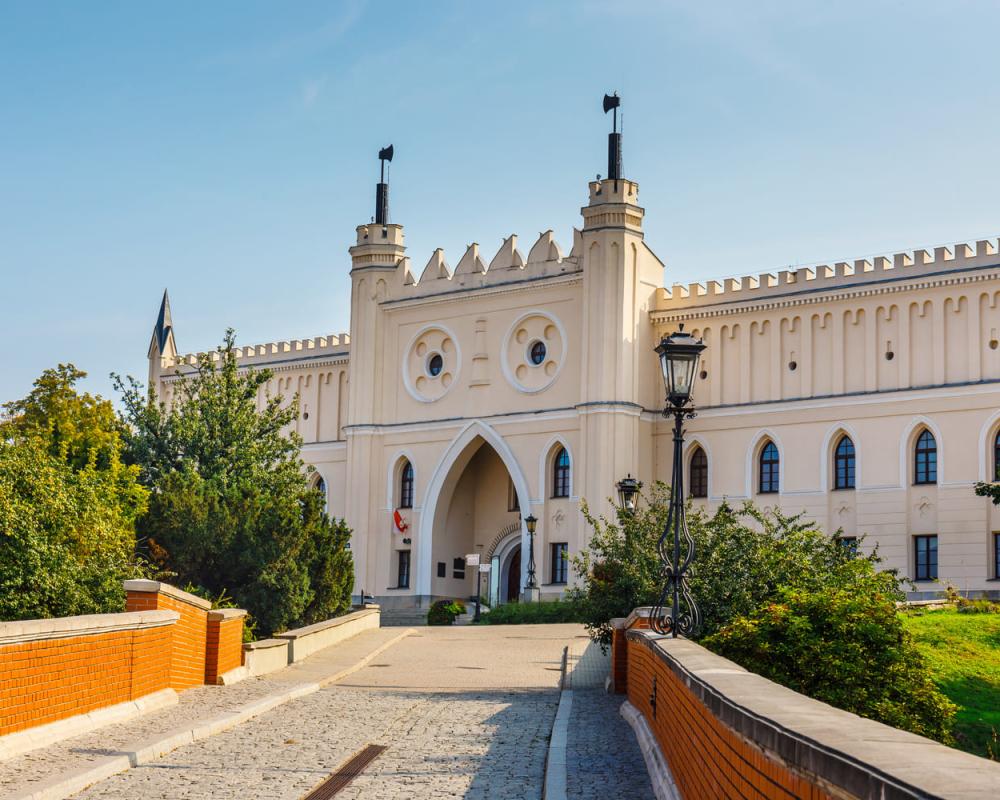
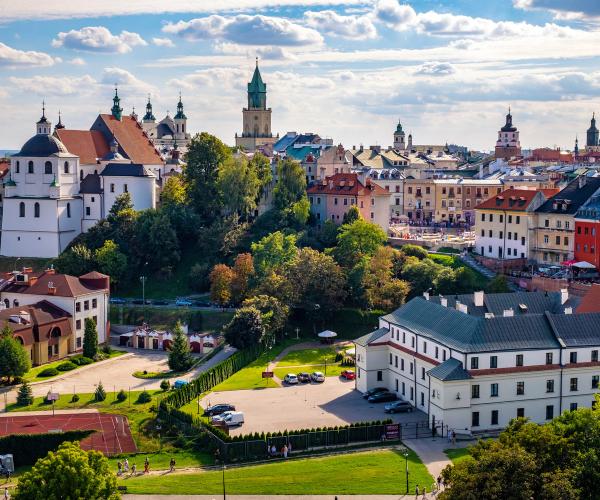
Lublin
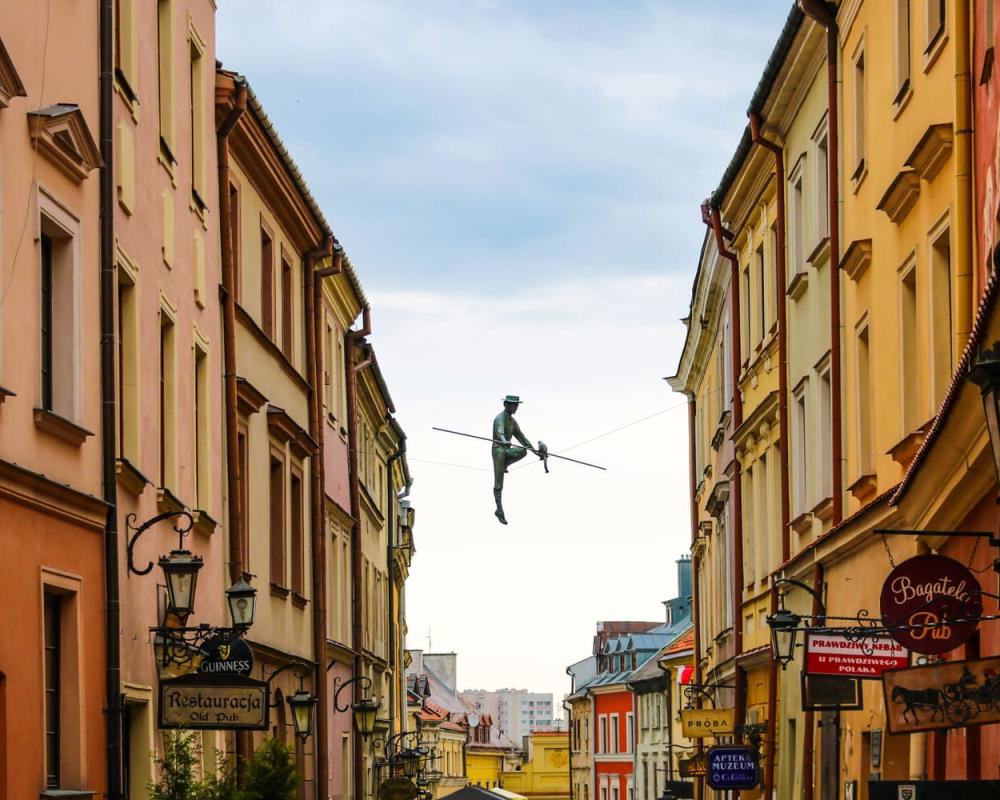
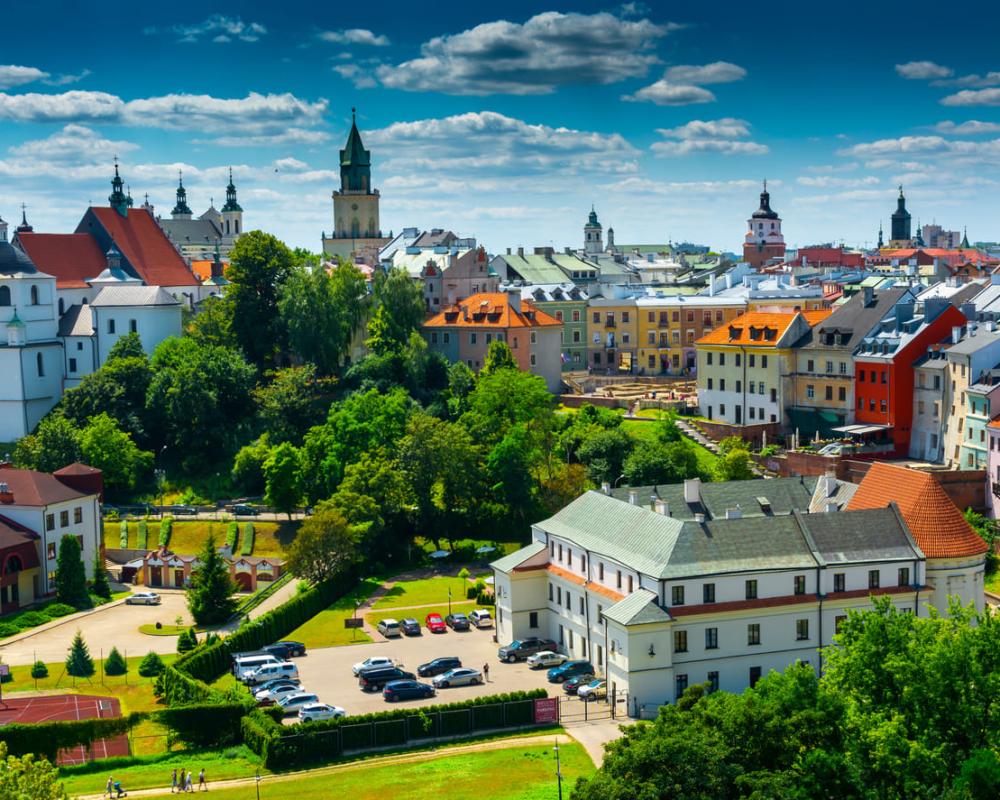
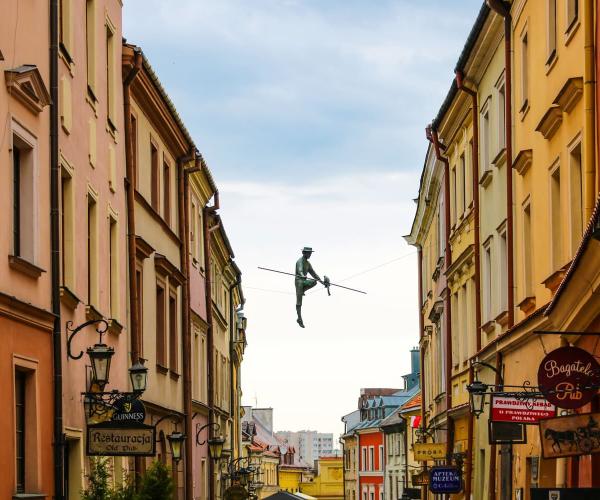
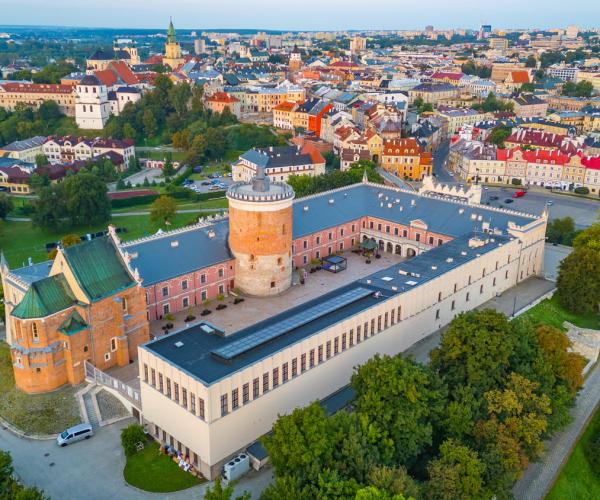
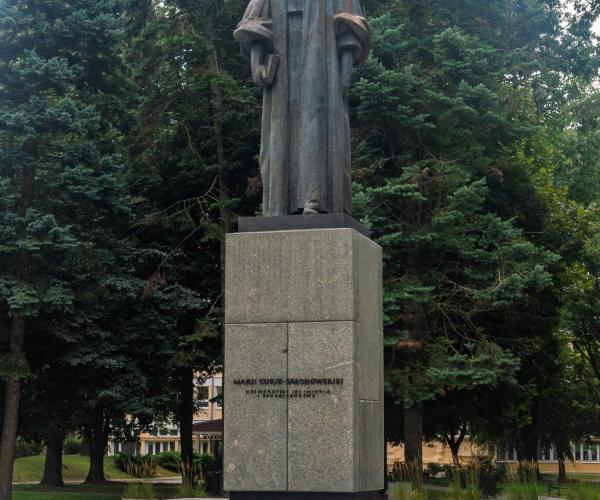
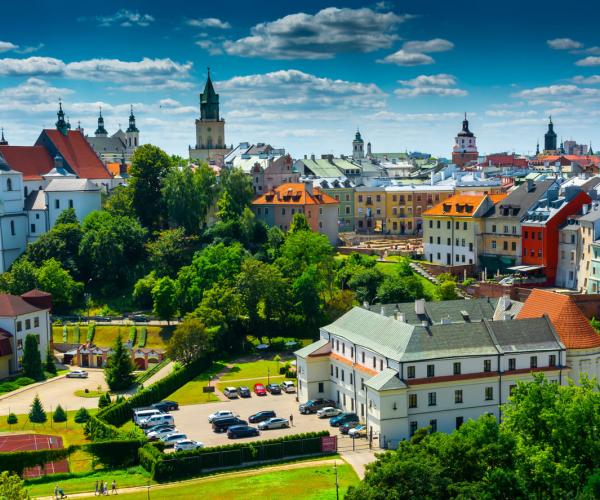
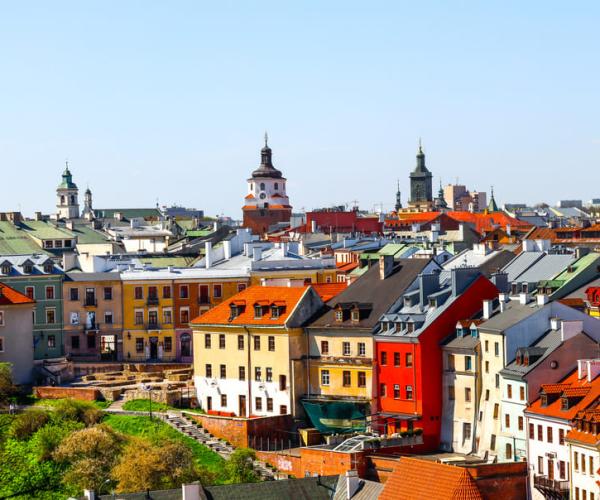
Lublin. Once a major trade hub linking Poland with Lithuania and beyond, Lublin offers a rich blend of history, charming alleys, and well-preserved monuments.
Places worth visiting:
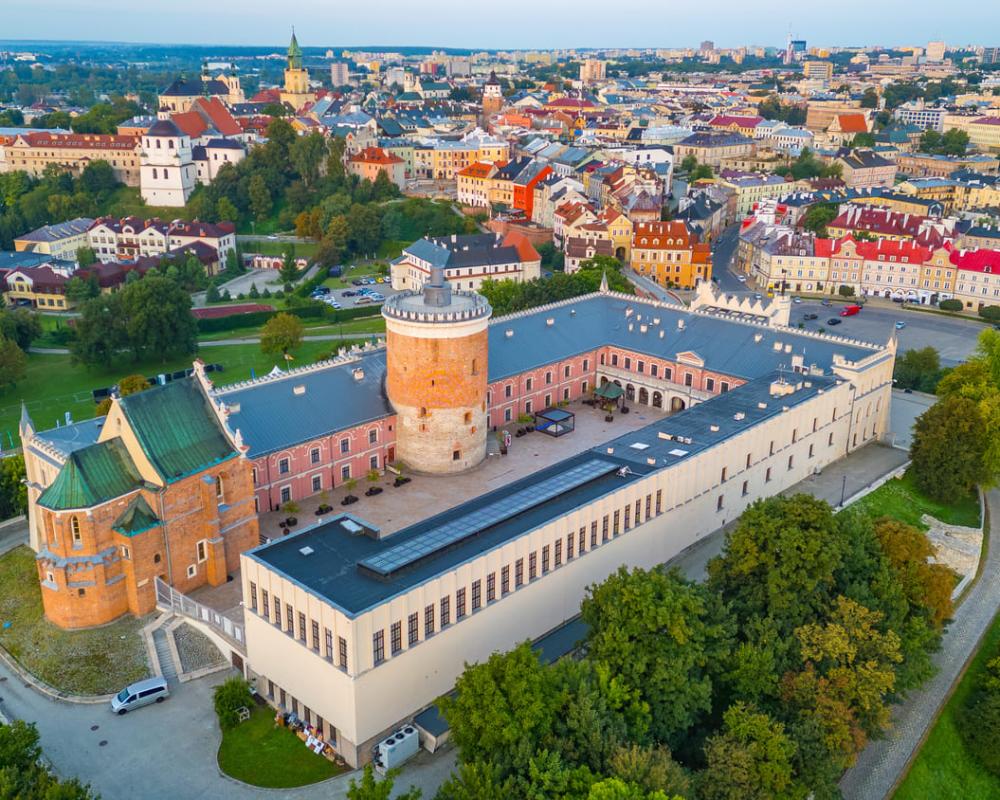
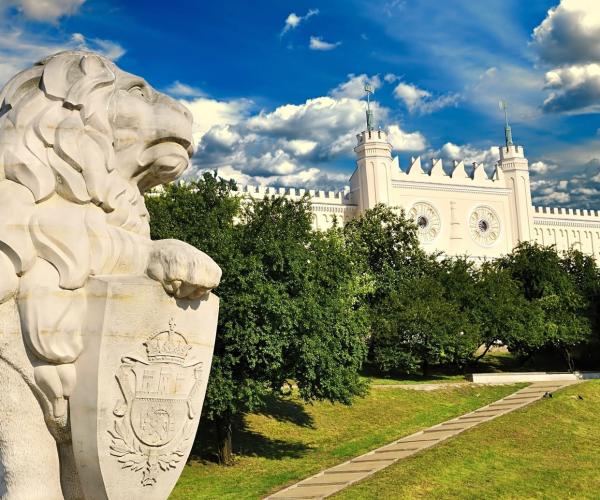
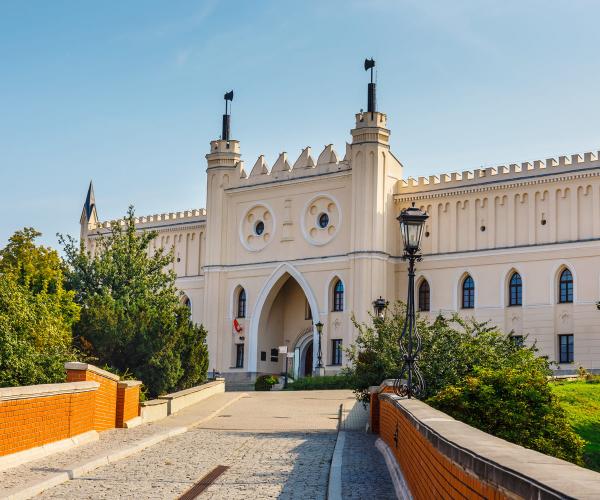
- Lublin Castle – founded in the 14th century, associated with the signing of the Polish–Lithuanian Union. Surviving parts include a Romanesque tower and the Gothic Holy Trinity Chapel. Now home to the Lublin Museum.
- Old Town – filled with Renaissance and Baroque buildings, including the Town Hall, the Dominican Cathedral, and remnants of the city walls such as Kraków Gate and Grodzka Gate.
- Lublin Cathedral – one of the earliest Baroque churches outside Italy, with rich interior frescoes and the revered “Weeping Mother” icon.
Museums:
- Majdanek State Museum – a former Nazi concentration camp preserved as a memorial and educational site.
- Perła Brewery – a former monastery-turned-brewery, now a museum where visitors can learn about brewing traditions and sample local beer.
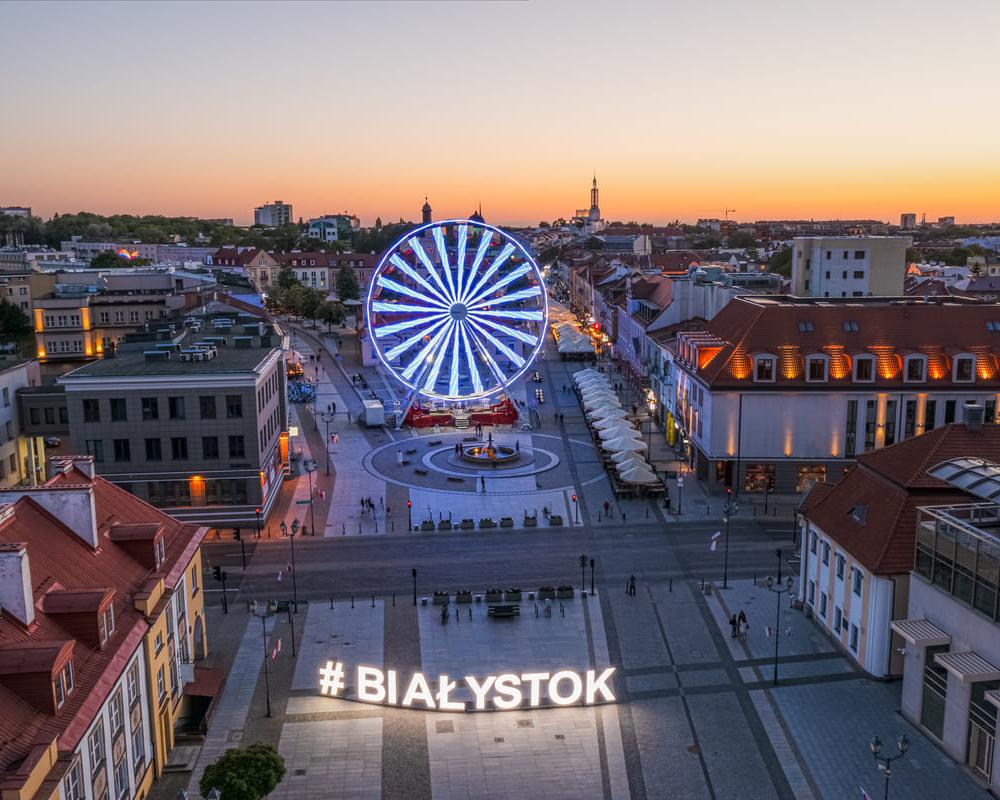
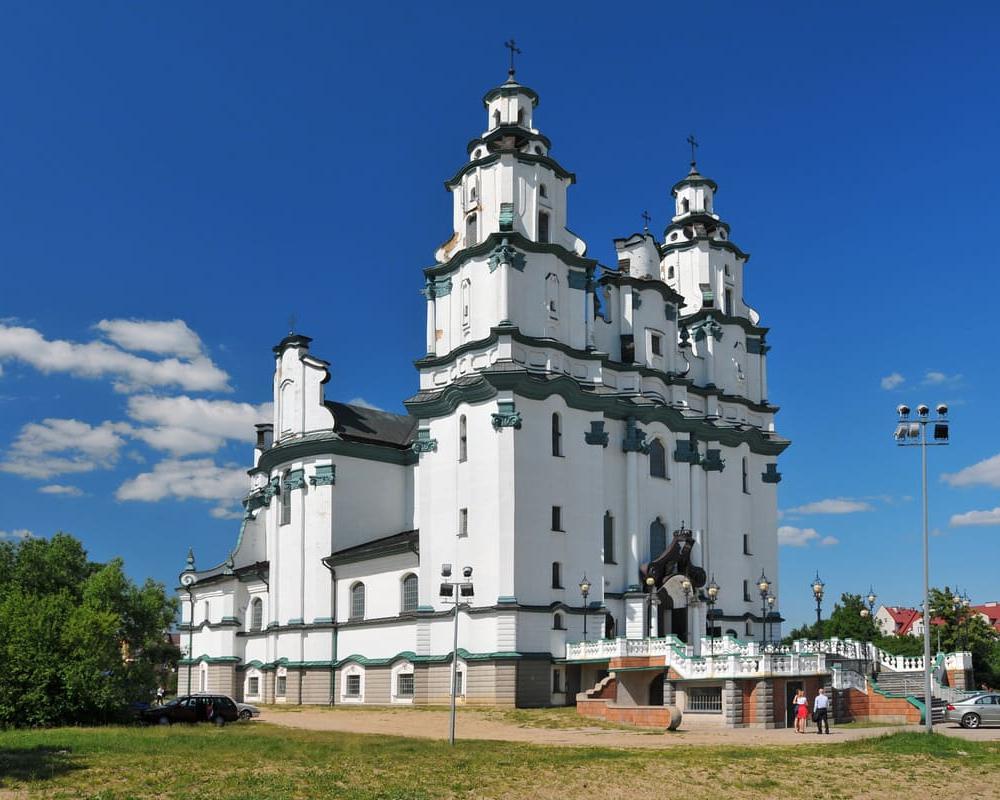
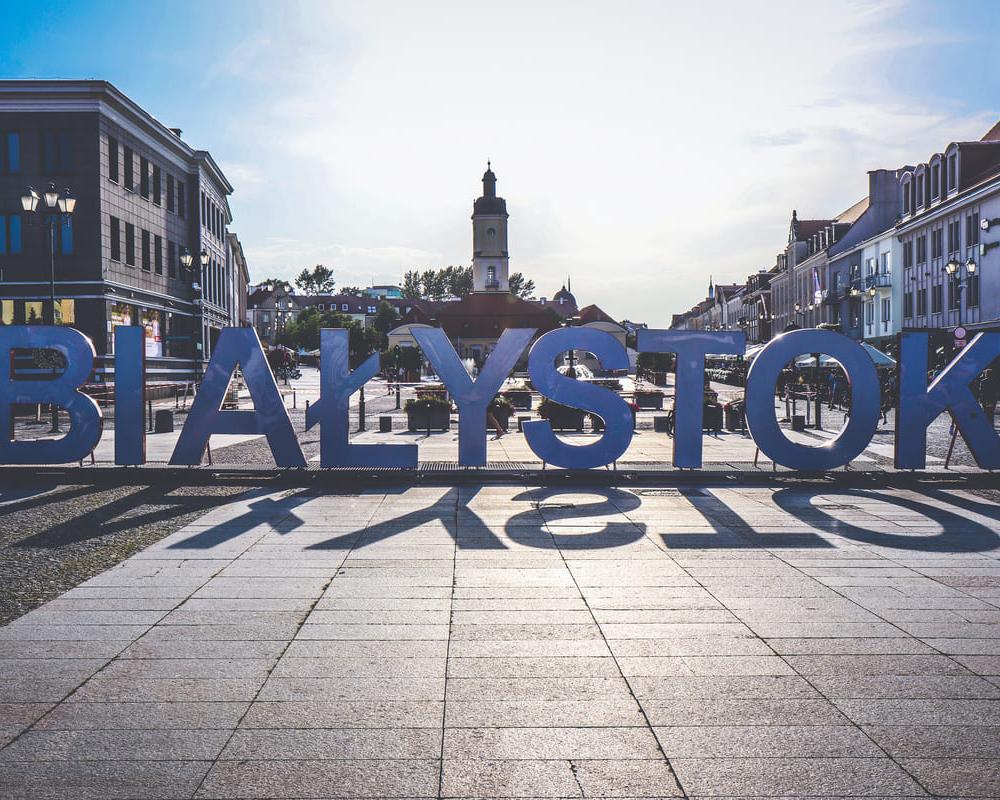
Białystok
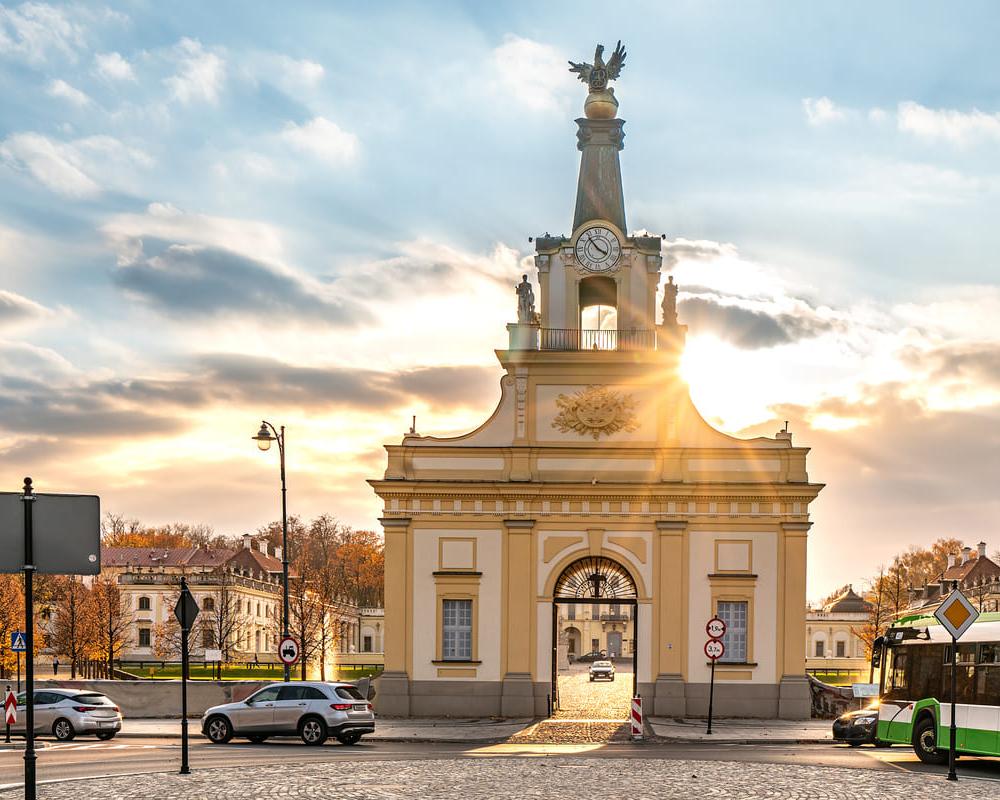
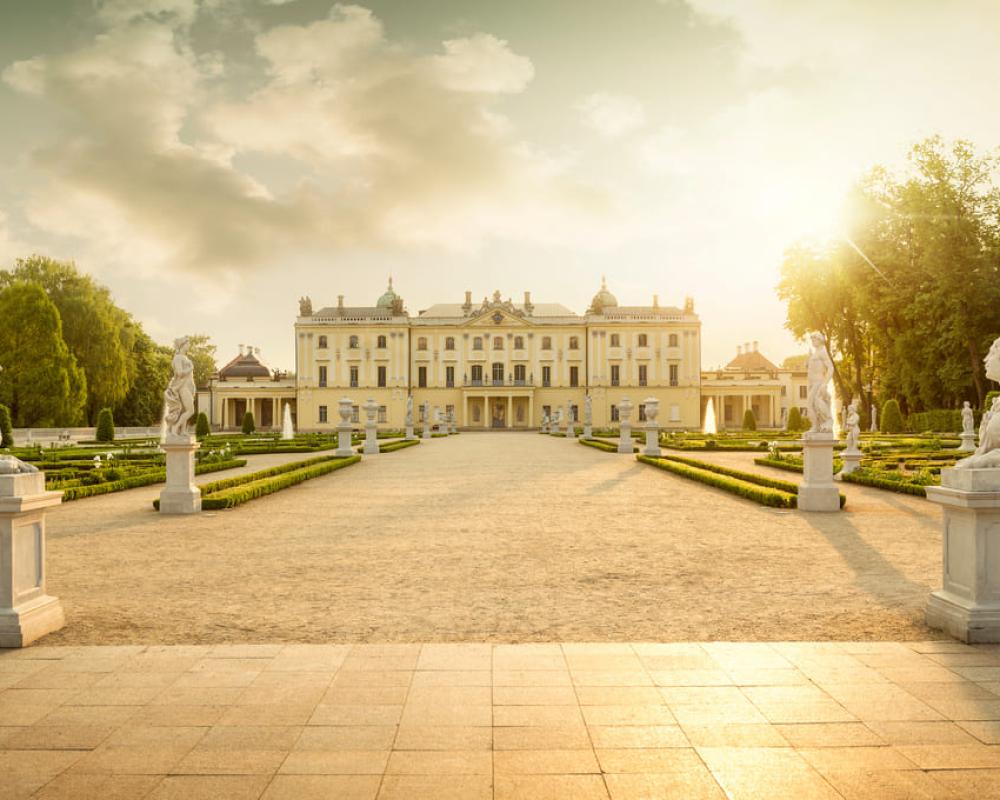
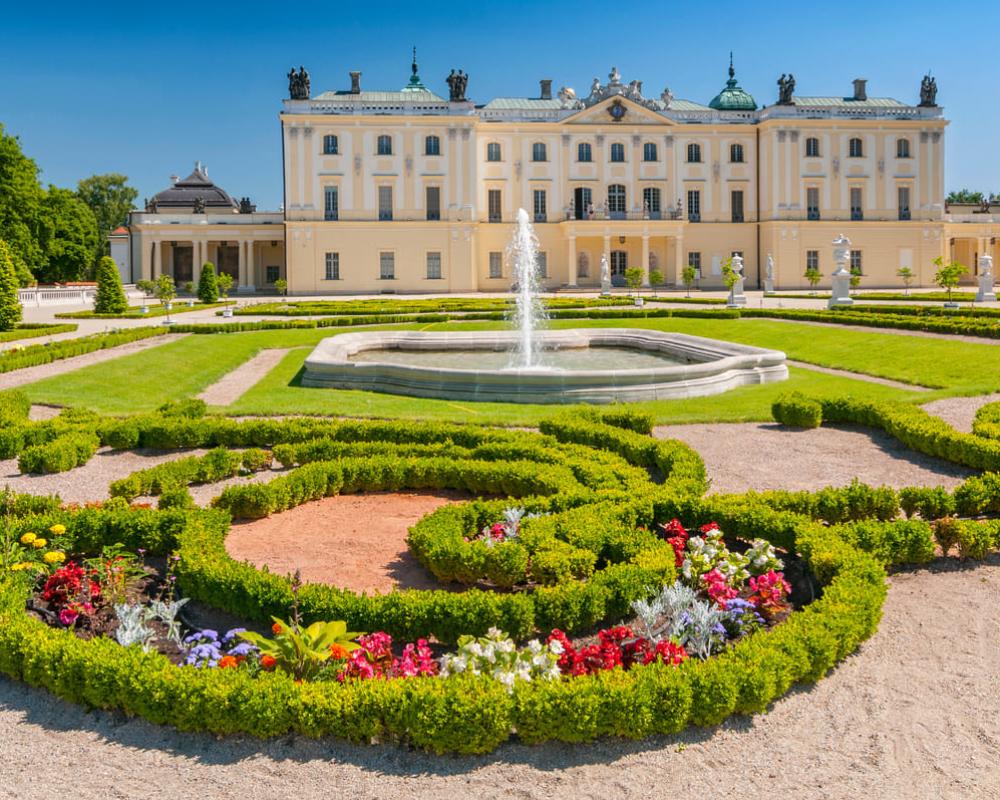
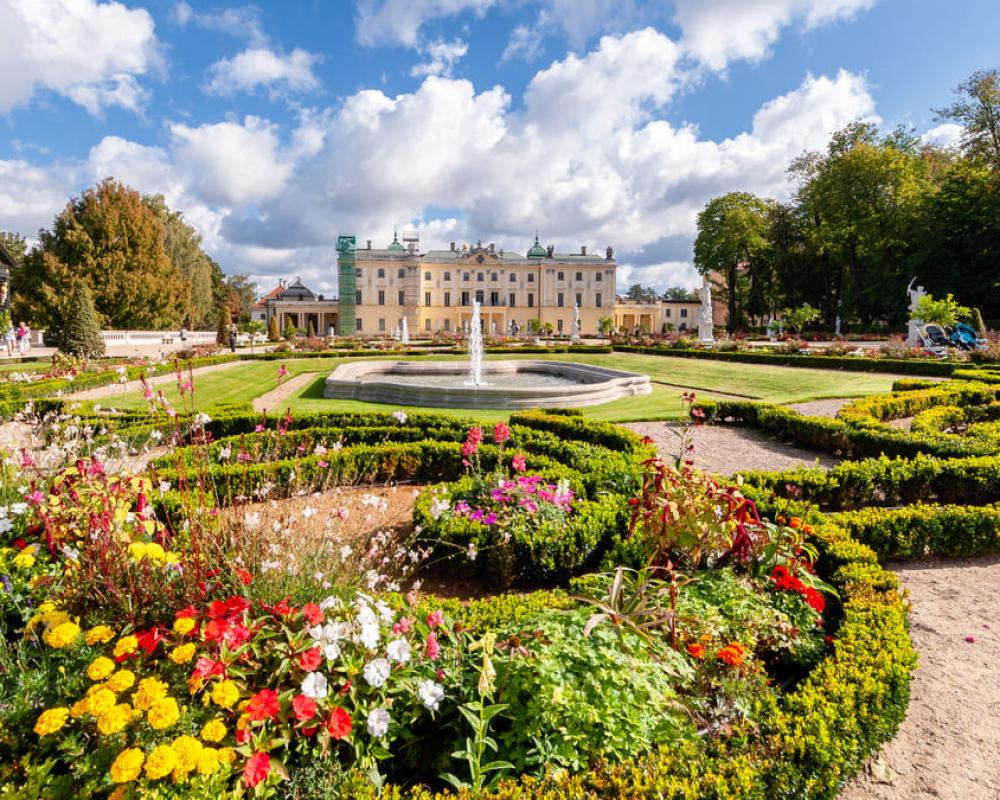
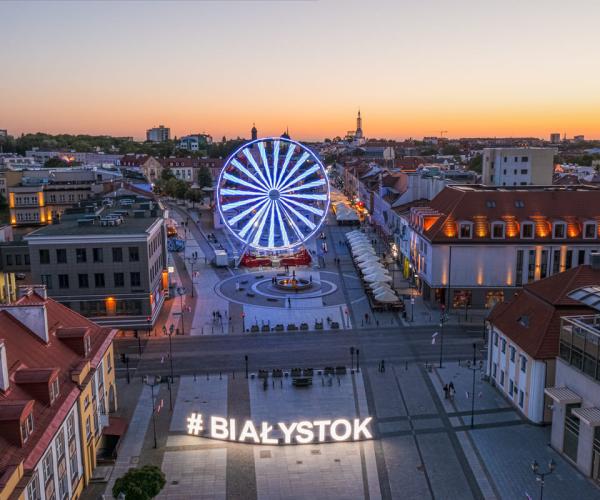
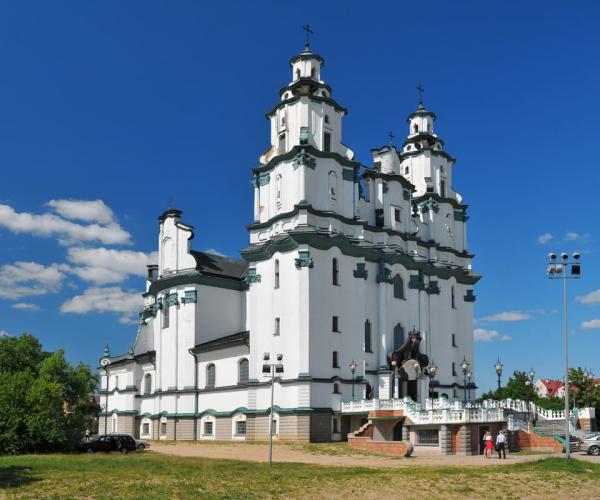
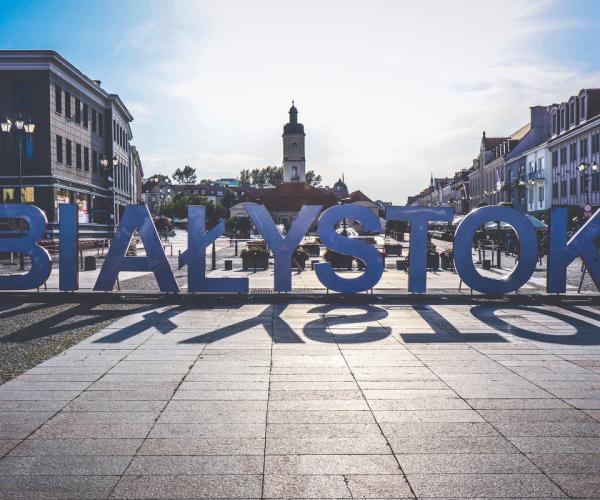
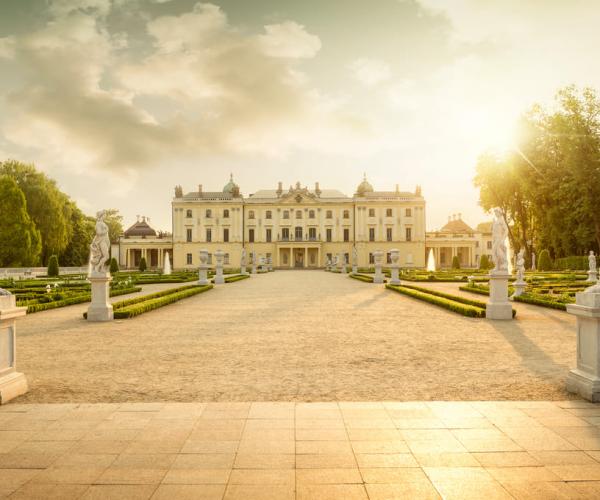
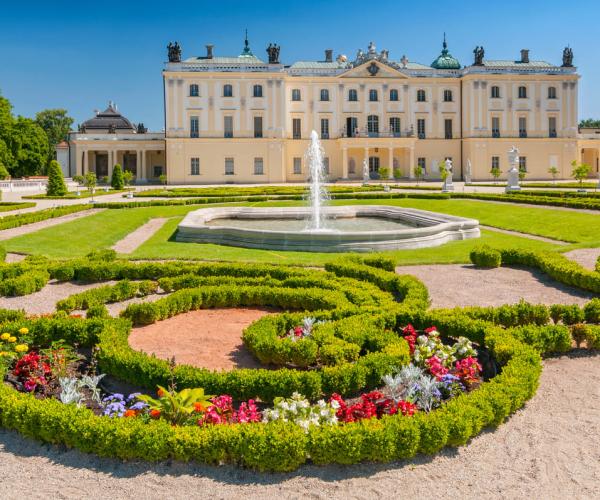
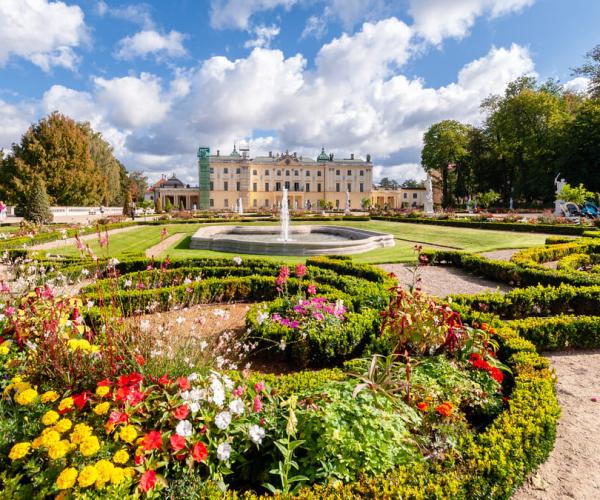
Białystok. The largest city in northeastern Poland and capital of the Podlaskie Voivodeship, Białystok lies near the Belarusian border. Known for its cultural diversity, it is home to the “Polish Versailles” – Branicki Palace – and is the birthplace of Esperanto.
Places worth visiting:
- Białowieża Primeval Forest – the last primeval forest in Europe, a UNESCO World Heritage Site shared with Belarus. It is home to the European bison and many rare species. Visitors can join guided bison safaris and visit the Forest Museum.
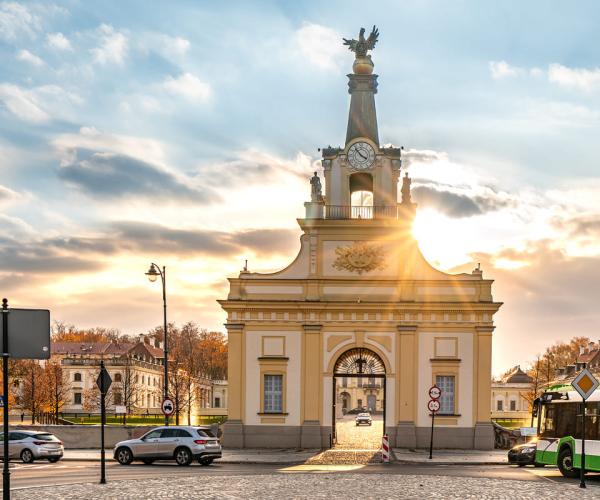
- Branicki Palace – an 18th-century masterpiece combining Baroque and Rococo styles. Once a seat of political and cultural life, it now houses the Medical University of Białystok and the Museum of Medical History.

Toruń
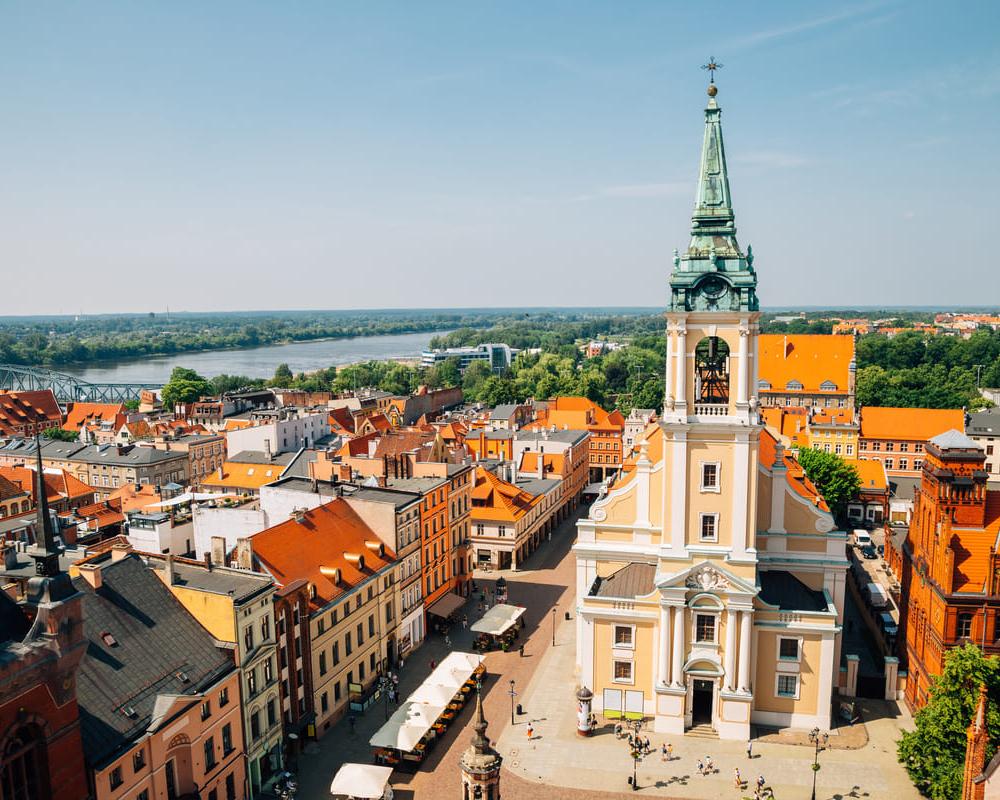
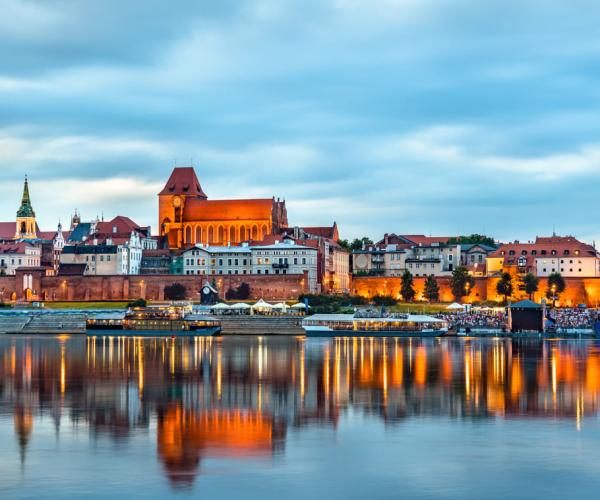
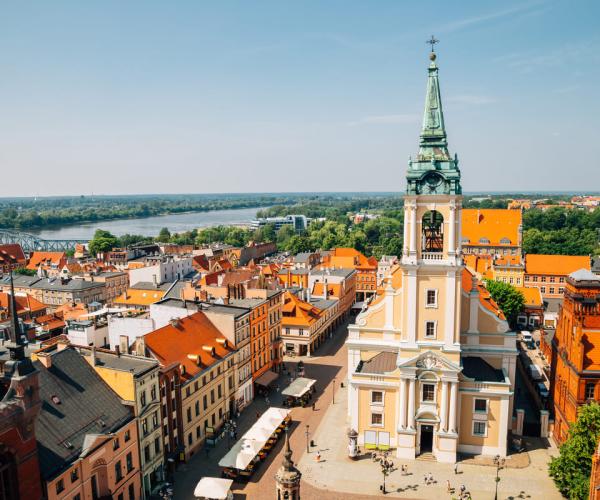
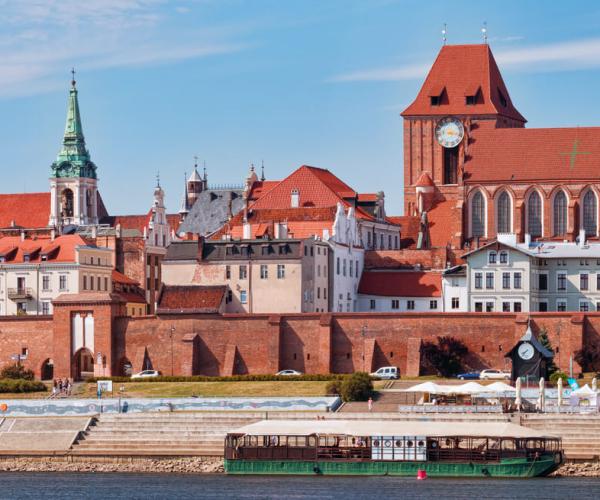
Toruń. Situated on the Pomeranian bank of the Vistula River, Toruń is the birthplace of the astronomer Nicolaus Copernicus. It is renowned for its perfectly preserved medieval architecture, blending Gothic, Renaissance, and Baroque styles. In 1997, Toruń’s medieval Old Town was inscribed on the UNESCO World Heritage List.
Places worth visiting:
- Old Town Square – the heart of Toruń, surrounded by colorful houses and historic buildings, offering a perfect spot to soak in the city’s medieval atmosphere.
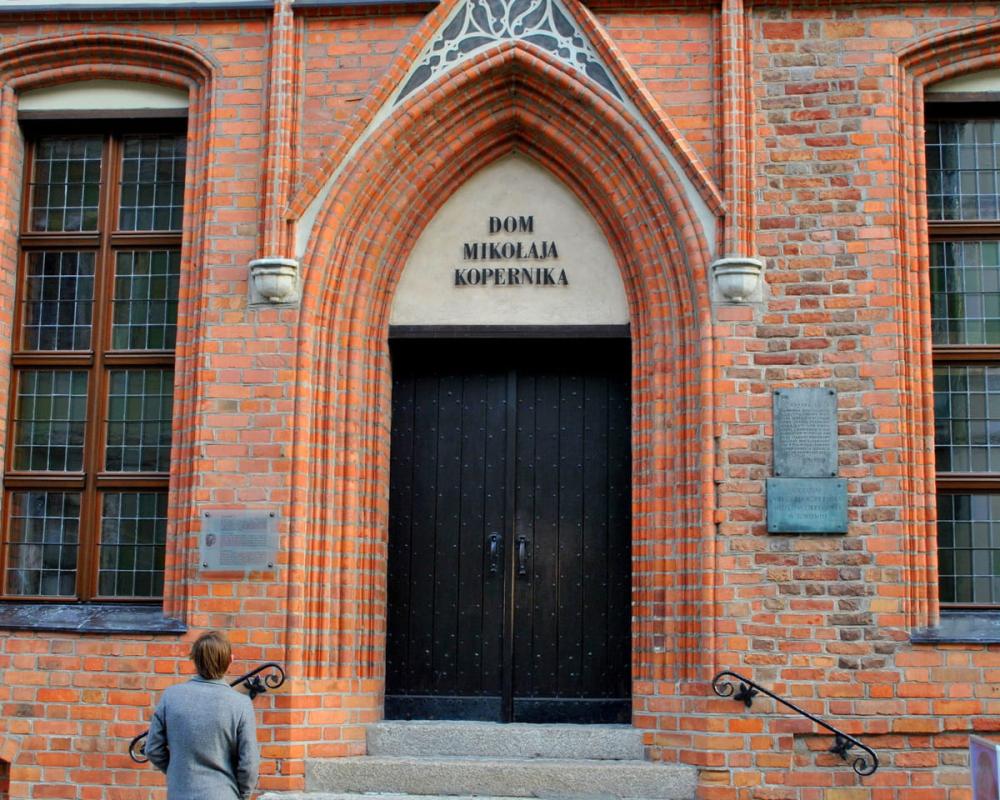
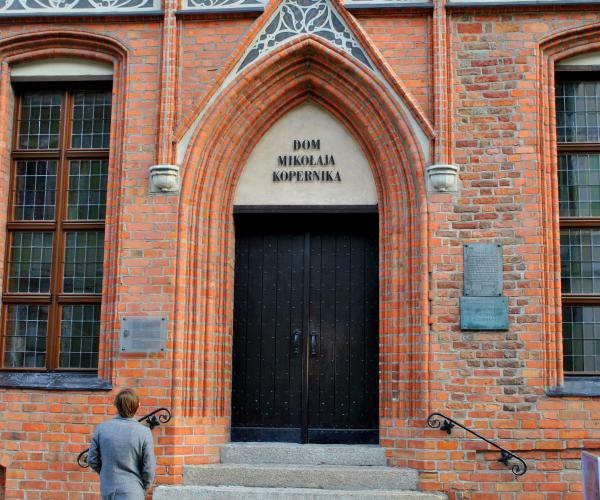
- Nicolaus Copernicus Museum – housed in two 14th-century Gothic buildings, believed to be the astronomer’s former residence. The museum presents Copernicus’ life and groundbreaking contributions to science.
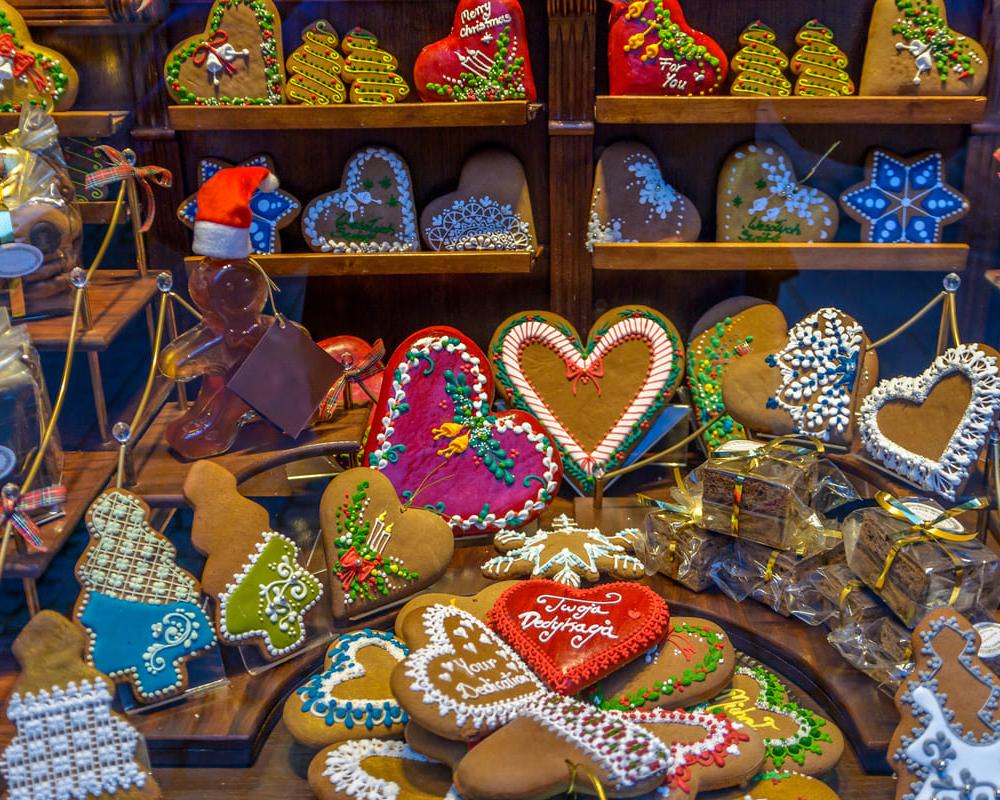
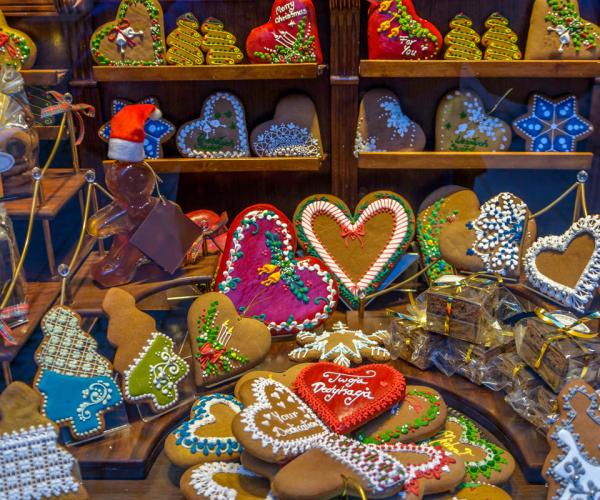
- Gingerbread Museum – Toruń’s famous gingerbread is celebrated here. The museum showcases the history, recipes, and traditional craft of gingerbread-making, with interactive workshops where visitors can bake their own.
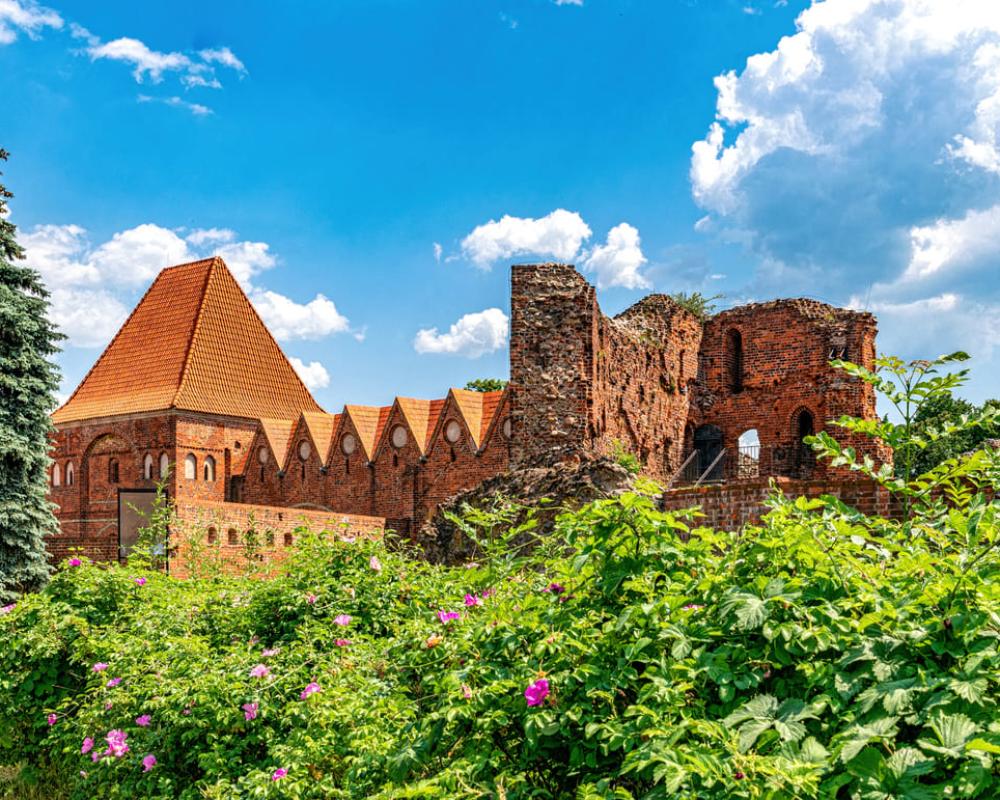
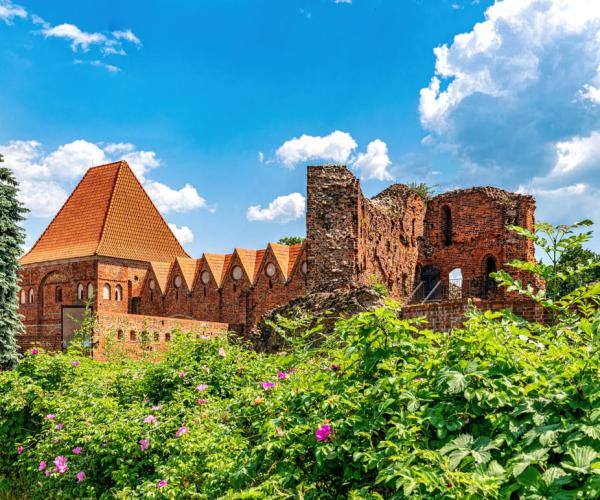
- Ruins of the Teutonic Knights’ Castle – built in 1233 by the Teutonic Order, the ruins mark the city’s origins and provide insights into its medieval history.



 Kłopot 4/165, Warszawa, 01-066, PL





_1000x800.jpg?width=1500&height=996)










_in_łódź,_poland_1000x800.jpg?width=1500&height=1000)